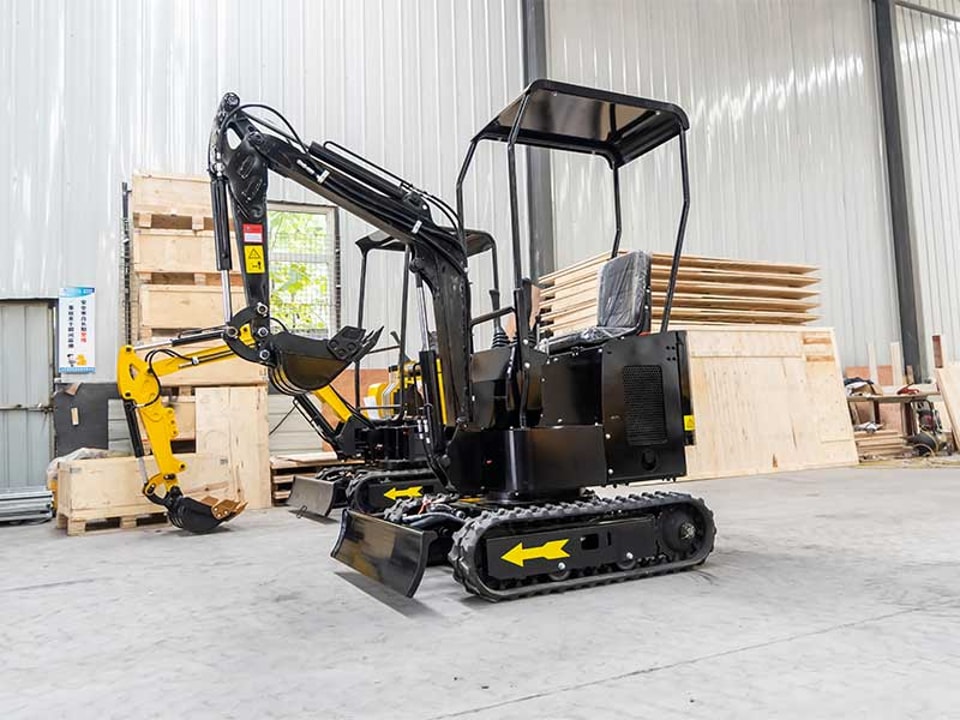
How to Dig Trenches with a Small Excavator – Step-by-Step Guide
How to Dig Trenches with a Small Excavator – A Practical Guide
Digging trenches with a small excavator isn't complicated, but doing it right takes a bit of planning. Here's a straightforward guide on how to get the job done efficiently – from the first mark to the final pass.
1. Mark Your Line Before You Start
Before you even start the engine, mark where the trench needs to go. This is the single most important step for digging a straight trench. On most job sites, workers use lime powder or spray paint to draw a straight line along the planned trench route[reference:1].
Once the line is down, position the excavator so its center line aligns with the marked line. The center tooth of the bucket should also line up with that mark[reference:2]. This gives you a visual reference throughout the dig and helps prevent the trench from veering off course.
Why this matters
A crooked trench wastes time and material. If you're laying pipe or conduit, you'll have to dig extra to straighten it out – or worse, start over. Taking five minutes to mark the line properly saves you hours of fixing mistakes later.
2. Choose the Right Bucket for the Job
Not all buckets are the same. For most trenching work, a narrow digging bucket (typically 12 to 24 inches wide) is the best choice[reference:3]. It cuts a clean, straight trench without taking out more dirt than necessary.
If you're digging a long, continuous trench – say, for water lines or electrical conduit – a dedicated trencher attachment might be a better option. Trenchers are narrower and cut faster, especially in hard or compacted soil[reference:4].
What about wider trenches?
For trenches wider than the bucket itself, you'll need to make multiple passes. A common technique is to dig along both sides first, then clean out the middle[reference:5]. This keeps the trench walls clean and reduces the chance of collapse.
3. Dig Layer by Layer – Don't Rush It
One of the most common mistakes operators make is trying to dig to full depth in a single pass. This puts unnecessary strain on the machine and makes it harder to control the bucket[reference:6].
Instead, work in layers. Start by skimming off the top layer of soil along your marked line. Then go back and dig the next layer. Keep repeating until you reach the required depth[reference:7].
How deep per pass?
As a rough rule, take about 20-30cm (8-12 inches) per pass in normal soil. In hard or rocky ground, take even less. The goal is smooth, controlled digging – not brute force.
4. Adjust for Soil Type and Trench Depth
The way you dig should change depending on what you're digging through and how deep you're going.
- Sandy or loose soil – Trench walls are more likely to collapse. You may need to widen the top of the trench or use trench shields for safety[reference:8].
- Clay or hard-packed soil – Takes more effort to dig. Take shallower passes and let the machine do the work – don't force it.
- Rocky ground – Avoid using the bucket to pry rocks out directly. Break them up with a hydraulic breaker first, then remove the pieces[reference:9]. This protects both the machine and the bucket.
Also pay attention to the slope of the trench bottom. If you're laying water pipes, the bottom needs a slight slope for drainage[reference:10]. If you're digging a foundation trench, the bottom needs to be level[reference:11]. Know what the trench is for before you start.
5. Keep the Slope Consistent
The walls of the trench need to maintain a consistent slope from top to bottom. This is what prevents the trench from collapsing[reference:12].
For a V-shaped trench (narrow at the bottom, wider at the top), the slope should stay the same all the way along. If the soil is loose, you'll need a wider slope. If it's firm clay, you can get away with a steeper slope[reference:13].
A quick check
As you dig, stop occasionally and look back along the trench. Check that the walls are consistent and the bottom is at the right depth. It's easier to correct a small deviation early than to fix a big one at the end.
6. Position the Machine Correctly
Where you park the excavator matters as much as how you dig. For most straight trenches, position the machine so the tracks are parallel to the trench line[reference:14]. This gives you the best reach and visibility.
If space is tight – say, you're working between buildings or near a fence – you may need to angle the machine differently. In those cases, work in shorter sections and reposition more often[reference:15]. It's slower, but it's better than damaging the machine or the surrounding structure.
7. Plan Where the Spoil Goes
You're going to move a lot of dirt. Plan ahead where you're going to put it.
For most jobs, pile the spoil on one side of the trench – the side opposite where you need to walk or work[reference:16]. Keep the pile at least a couple of feet back from the trench edge to reduce the risk of collapse[reference:17].
If you're digging a deep trench, don't try to pile all the dirt in one place. Use the machine's reach to create a primary pile and a secondary pile further out[reference:18]. This keeps the work area clear and makes backfilling easier.
8. Common Mistakes to Avoid
- Digging too deep too fast – Strains the machine and makes the trench crooked. Go layer by layer.
- Not marking the line – You'll end up with a wavy trench that's hard to fix.
- Using the wrong bucket – A wide bucket for a narrow trench means extra work and wasted time.
- Forgetting about underground utilities – Always check for buried pipes, cables, or gas lines before you start digging[reference:19].
- Ignoring trench safety – Keep people and equipment away from the trench edge. If it's deeper than 1.5 meters, consider using trench boxes or shoring[reference:20].
9. Trenching Checklist
- Mark the trench line with lime or spray paint
- Check for underground utilities
- Choose the right bucket for the job
- Position the excavator parallel to the trench
- Align the bucket center tooth with the marked line
- Dig in layers – 20-30cm per pass
- Keep the slope consistent
- Pile spoil safely away from the trench edge
- Check depth and alignment regularly
Frequently Asked Questions
How do you dig a straight trench with a small excavator?
Mark a straight line with lime or spray paint. Align the excavator's center line with that mark, and keep the bucket's center tooth on the line as you dig. Go layer by layer instead of trying to reach full depth in one pass.
What bucket should I use for trenching?
A narrow digging bucket (typically 12-24 inches wide) works best for most trenching jobs. For long continuous trenches, a dedicated trencher attachment is faster and cuts cleaner walls.
How deep can a small excavator dig a trench?
A 1-1.5 ton mini excavator can typically dig down to about 1.5-1.7 meters. The actual depth depends on the machine's arm length and the soil conditions.
What's the most common mistake when trenching with a mini excavator?
Trying to dig too deep in one pass. This puts stress on the machine and makes it harder to keep the trench straight. Take multiple shallow passes instead.
Do I need a special bucket for rocky soil?
Not necessarily, but you should avoid using the bucket to pry rocks out directly. Use a hydraulic breaker to break up large rocks first, then remove the pieces with the bucket. This protects the bucket teeth and the machine's hydraulic system.
Need a Small Excavator for Your Trenching Job?
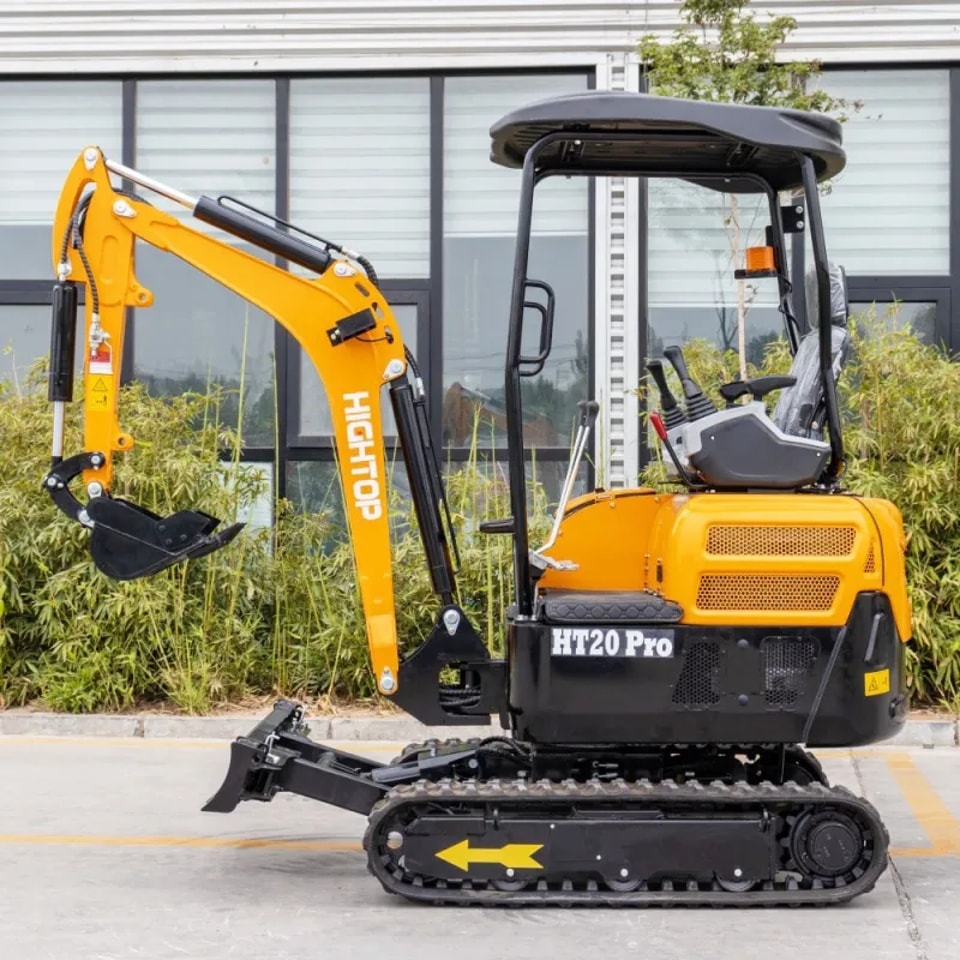
If you're in the market for a mini excavator, we offer a range of models suited for trenching and other digging work. Browse our mini excavator lineup or contact us with your project requirements.
📧 Email: info009@hightopgroup.com
📞 WhatsApp: +86 181 6205 2962





Need a machine for your next job?
Tell us the application and your market. We reply with models, specs and a quote.Get a quote
Enquiry about