News & insights.
Shipments, trade shows and practical guides for choosing, running and maintaining compact equipment.
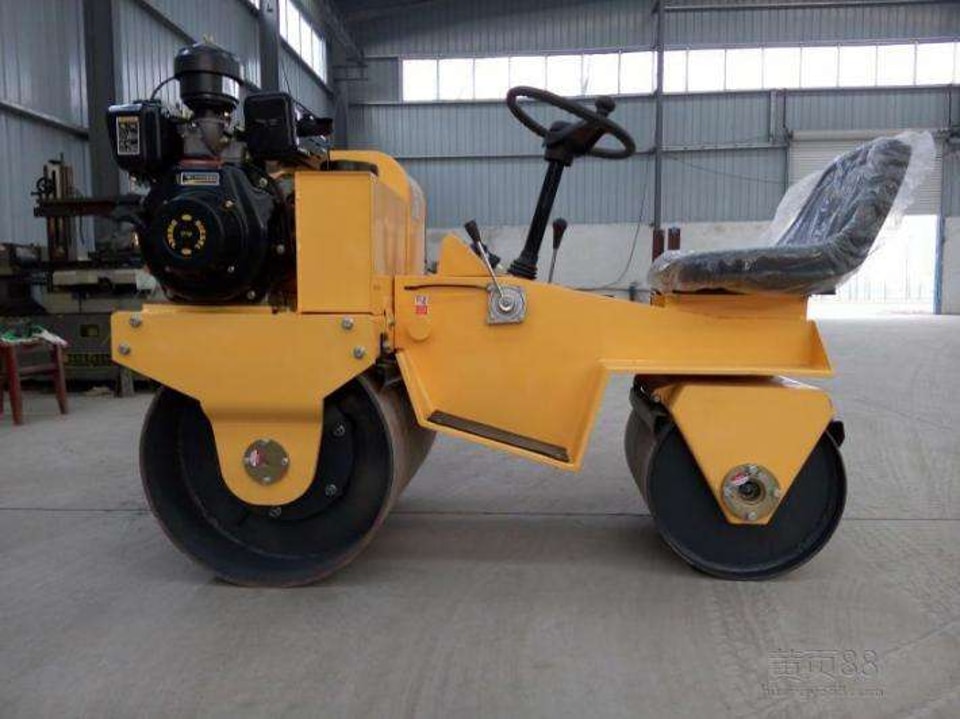
With the wide application of road rollers, its own defects have gradually emerged. The failure rate of road rollers in work is high, which greatly affects the quality of work. Through the analysis of common faults of road rollers, this paper proposes specific solutions to the faults of road rollers. 1. Fuel line air removal method The diesel engine of the road roller stalled due to lack of diesel in the fuel tank during use. After the diesel engine is turned off, although diesel is added to the fuel tank, air has entered the diesel pipeline at this time, and the fuel supply cannot be restored by using the hand pump. In order to remove the air in the diesel pipeline and make the diesel engine start smoothly, we take the following methods: first, find a small basin and hold a certain amount of diesel oil, and place it at a position slightly higher than the diesel pump; secondly, put the fuel tank Remove the diesel pipe connecting the hand oil pump, and remove the diesel oil in this small basin; again, pump the diesel oil with the hand oil pump to remove the air in the low-pressure oil circuit; finally, install the diesel pipe connecting the fuel tank to the hand oil pump. Test machine, the diesel engine starts normally. 2. Solenoid valve damage disposal method If it is difficult to start the diesel engine, it will take a long time to start the diesel engine. We initially thought that it was caused by the poor atomization of the injector, but the inspection of the injector and the fuel injection pump were all good. When I checked the start solenoid valve again, it was found that its solenoid was not attractive. We will remove the starting solenoid valve, and when the fuel valve stem connecting the fuel injection pump and the solenoid valve is pulled by hand, the diesel engine can be started smoothly, which means that the solenoid valve has been damaged. Since the new solenoid valve cannot be purchased in the nearby market temporarily, we use thin copper wire to bind the fuel injection pump stem to prevent it from returning, and thicken the solenoid valve gasket to prevent the fuel injection pump stem hole. Oil leaks from the mouth. After the above treatment, the solenoid valve is reassembled, and the roller is put into use. After purchasing a new start solenoid valve, it can be replaced. 3. Deformation repair method of front wheel support When the static pressure road roller failed to start, in order to start the road roller, a loader was used on site to push and start the road roller. As a result, the frame supporting the front wheel of the road roller was deformed, and the welding part of the shaft sleeve matched with the front fork and the vertical shaft was dislocated. , the roller cannot be used. Usually, to repair this fault, the front wheel frame, vertical shaft and front fork must be disassembled, but such repairs are time-consuming and laborious. To this end, we have adopted the following simple recovery method: first, adjust the front wheel to the forward direction; secondly, cushion the front wheel, the front wheel frame and the front fork beam with wood, so that it can move forward when turning the steering wheel. The wheel does not rotate; again, turn the steering wheel, remember the total number of turns of the steering wheel, turn to the limit position and then turn back half of the total number of turns, the misaligned front fork and the shaft sleeve matched with the vertical shaft can return to the correct position; then , Remove the 14 fixing bolts on both sides of the front wheel frame, use the jack to lift the front wheel frame about 400mm to make it away from the front wheel axle; finally, use electric welding to weld the vertical shaft bushing firmly, loosen the jack, and drop the front Wheel fork, install the front wheel frame and the front wheel axle. In this way, only one person can adjust the deformation of the front wheel frame in place. 4. Repair method for poor positioning of gear lever The locating pin of the shifting lever equipped with the static calendering roller is easy to fall out or be cut off, thus causing the shifting lever to be unable to be positioned. The locating pin is 4mm in diameter and is used to prevent the gear lever from turning. In order to solve this problem, we take the following methods: first, expand the diameter of the pin hole of the shift lever to 5mm, and tap the M6 internal thread; secondly, modify the width of the pin slot of the shift lever to 6mm; finally, configure 1 M6 screw and 1 For M6 nut only, screw the screw into the seat pin hole, back it half a turn, and then tighten the nut. 5. The solution to the oil leakage of the sealing ring The vibrating valve of the vibratory roller leaked oil. After the Y-shaped sealing ring was replaced, the oil leaked after a short period of use. The inspection found that after long-term use of the vibration valve, the wear between the upper cover of the valve core and the valve core was serious. In order to solve this problem, we adopt the method of adding O-shaped or flat-shaped sealing ring, that is, adding O-shaped or flat-shaped sealing ring to the groove of Y-shaped sealing ring. There is no oil leakage phenomenon after the vibration valve is installed with a sealing ring, which proves that the method achieves good results.
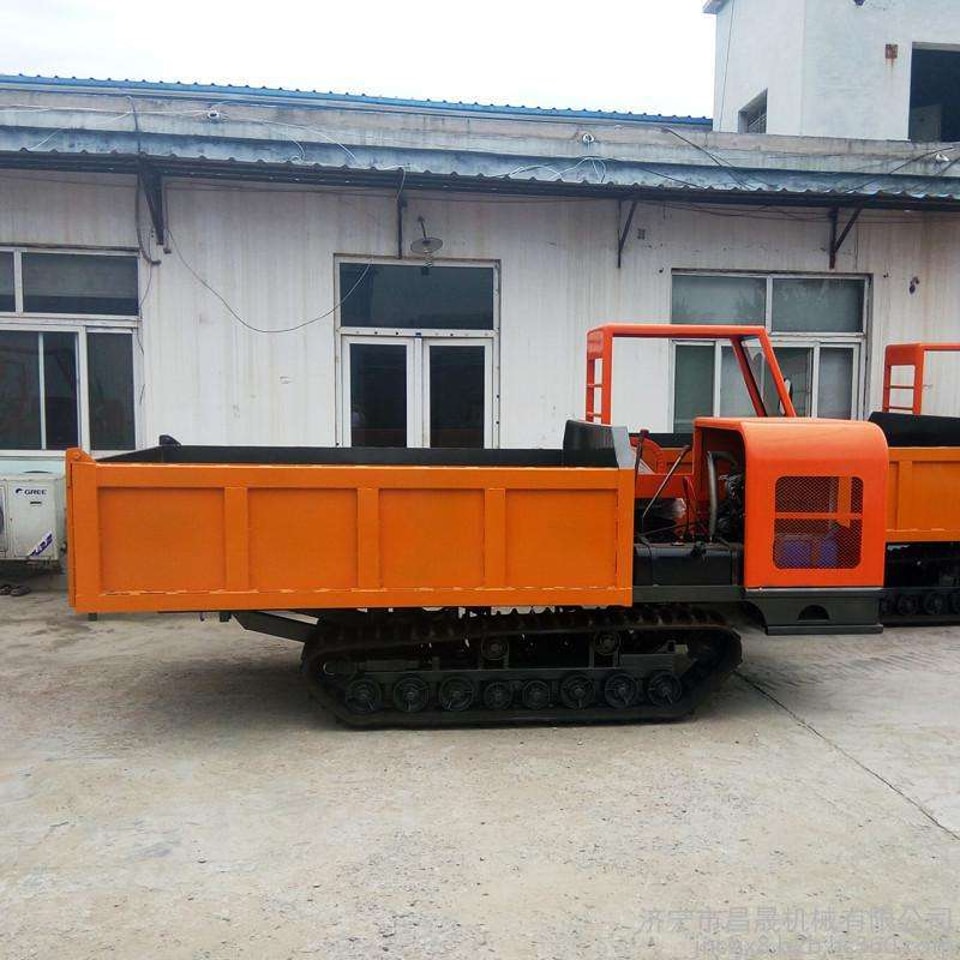
At present, there are more and more crawler transport vehicles using closed hydrostatic double-track drive in China, especially in crawler bulldozers, crawler tractors, and transport-type crawler transport vehicles. The following advantages: It is beneficial to isolate the impact of the ground on the engine; it can meet the higher traveling speed of the vehicle; it can realize stepless speed change to meet the requirements of users for different operating speeds; start stable and meet the needs of special working conditions; eliminate complex machinery The transmission system reduces the weight of the whole machine; the hydraulic components are highly versatile, and the main engine is easy to be modified. On high-power, large-scale dual-track drive vehicles, the advantages of using closed system hydrostatic drive are more obvious. Although the hydraulic system requires high pressure and large flow, hydraulic components, hydraulic accessories, oil tanks and open hydraulic systems of the same power In comparison, the volume is small, which is conducive to the layout of the host. The following is some information summarized by the author based on years of experience in hydrostatic transmission design for reference by colleagues. 1 System composition At present, under normal circumstances, the hydrostatic double-track drive of a closed system is composed of a hydraulic or electronically controlled variable pump and a fixed motor. In order to meet the requirements of different operating speeds and traction forces, a stepped variable motor is sometimes required. Figure 1 shows the basic structure of a closed-system hydrostatic double-track drive transmission system, which is composed of pilot handles, pumps, motors, reducers and other components. 2 Matching of pilot handle and variable pump 设计当中,泵的排量—压力 (电压)控制曲线以及先导油路或者电路调压曲线的选配非常关键 。全液压双轨驱动车辆驱动油泵的压力控制曲线死区稍大些较好,可减少先导手柄不正常晃动引起泵的误动作,利于提高整机的直线行驶性;斜率越大越好,有利于降低转向灵敏度,控制泵在小排量时转向, 降低转向速度,转向时,需克服的惯性阻力也小,不易导致发动机熄火 。一般情况下, 先导手柄的调压曲线两种。在作配套设计时, 先导手柄的调压曲线越过死区时起始压力 (电压 )点 要低于泵死区排量对应的最大压力 (电压 )(f点 ), 利于主机起步平稳, 可 0公里起步。先导供油压力 (供电电压 )要高于泵最大排量对应的压力 (电压 ), 可最大限度控制油泵排量的无级变化, 一般情况下, 液控时 ,供油压力要高于泵最大排量对应的压力 5 ×10⁵Pa左右 ,利于减少由于手柄在高速行车过程中抖动造成主机车速不稳 。控制油泵排量无级变化对应的手柄行程越大越好 ,如图 2所示, 控制曲线Ⅲ与控制曲线 Ⅱ相比, 使用控制曲线 Ⅲ利于扩大控制油泵排量无级变化对应的手柄行程(nj段 >mi段),但受手柄操作行程限制。比例曲线段斜率越小越好 ,曲线Ⅲ与曲线Ⅱ相比 ,在同样的操作行程Δs下 ,曲线Ⅱ的油泵排量的变化大于曲线Ⅲ (Δq2 3 Determination of system pressure For closed-type hydrostatic dual-track drive vehicles, under normal circumstances, when the steering resistance is overcome, the corresponding pressure is the largest, and this pressure can be used as the set pressure of the system. However, in determining the system pressure, in addition to the requirements of the overcome steering resistance for the system, it is also necessary to comprehensively consider the current hydraulic components and hydraulic accessories can achieve performance indicators, as well as factors such as the operating conditions and cost of the main engine. 4 Confirmation of the motor The use of two-speed motors is necessary to meet the requirements of vehicle speed and maximum traction, and to improve the efficiency of the hydraulic system. In addition, high-speed motors and low-speed high-torque motors should also be used differently. High-speed motors can be small in size and can be built-in. Or the scheme integrated with the reducer, the best way is to hide them in the track, which will help improve the driving performance of the main engine. The low-speed and high-torque motor has a large volume. To improve the passability of the whole machine, the motor should be set higher than the center of the driving wheel. Keep away from the ground. 5 Determination of oil pump The oil pump should use a higher calculated speed as much as possible, preferably close to the rated speed of the oil pump, so that even if the engine is in an idling supply condition, the circuit system composed of the oil pump and the motor has a higher transmission efficiency. To determine the maximum displacement of the oil pump, it is usually appropriate to use the first gear with the smaller displacement of the two-speed motor to determine the displacement of the pump. It can reduce the supporting power and help improve the transmission efficiency of the system. 6 Special attention should be paid to the following issues in the selection of hydraulic accessories for closed hydraulic systems: 1) The suction pipe should be as short as possible, with a large inner diameter, so that it is not easy to deflate, and only a thicker suction filter can be added to the suction line. If the space is arranged Allowed, try to use a high-level hydraulic oil tank to make the oil level of the hydraulic oil tank higher than the oil suction port of the oil pump to improve the oil suction condition of the oil pump. When connecting the oil suction pipe, pay special attention to the leakage of the oil pipe, otherwise it will cause the vehicle to shake , Poor straight-line travel, pump, motor damage and other failures. 2) The inner diameter of the drain pipeline of the pump and motor should be as large as possible, and a separate DC return tank is required. No oil filter is added to the drain pipeline to minimize the oil drain resistance to prevent the pump and motor shaft seals from being washed away. The hydraulic system and the connected transmission components string oil, causing the hydraulic oil to be lost and contaminated, and even more serious system failures.
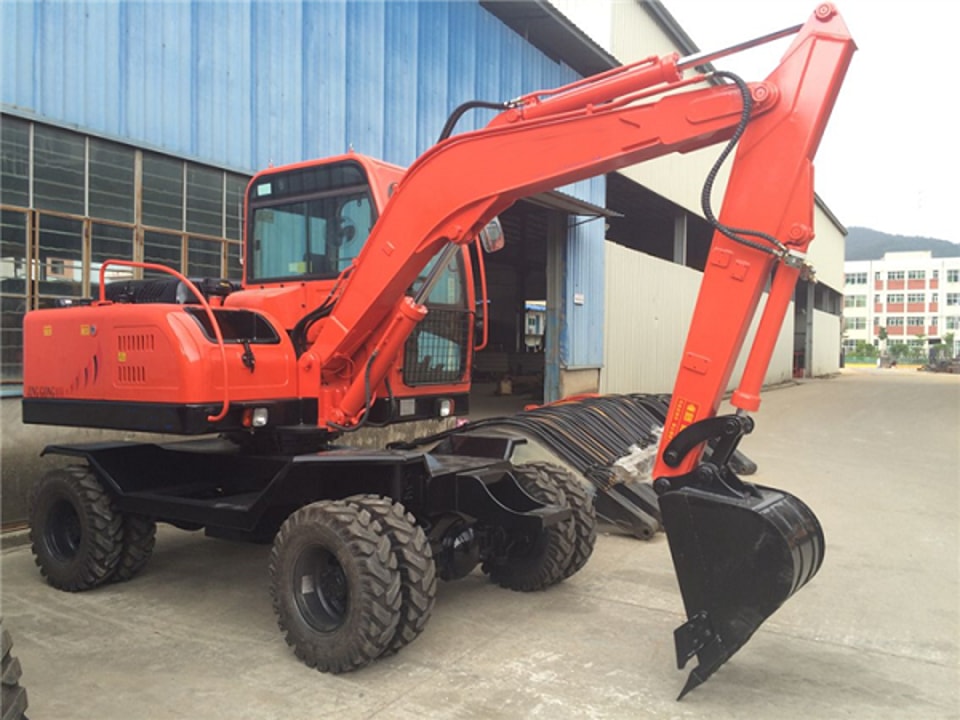
1. Operation technology First of all, we must confirm the surrounding conditions. When slewing operations, be aware of the surrounding obstacles and terrain, and operate safely; when operating, confirm the front and rear direction of the crawler to avoid tipping or impact; try not to face the final drive in the direction of the excavation, otherwise it will be easy to damage the walking Motor or hose; during operation, ensure that the left and right crawlers are in full contact with the ground to improve the dynamic stability of the whole machine. 2. Effective mining methods When the bucket cylinder and the connecting rod, the stick cylinder and the stick are at 90 degrees to each other, the digging force is the largest; when the bucket teeth and the ground maintain a 30-degree angle, the digging force is the least resistance to earth cutting; use the stick to dig At the same time, you should ensure that the stick angle range is from 45 degrees in the front to 30 degrees in the back. The use of boom and bucket at the same time can improve the efficiency of excavation. Three, dig the rocks Excavating rocks with buckets will cause great damage to the machine and should be avoided; when digging is necessary, the position of the machine body should be adjusted according to the direction of the cracks of the rock, so that the bucket can be shoveled in smoothly for excavation; insert the bucket teeth into the cracks of the rock In digging, use the digging force of the stick and bucket (pay attention to the slippage of the bucket teeth); the rock that is not broken should be broken first and then the bucket should be used for digging. 4. Slope leveling operations When performing plane trimming, the machine should be placed on the ground to prevent the machine body from shaking. It is necessary to grasp the coordination of the action of the boom and the stick, and controlling the speed of the two is important for plane trimming. It is difficult to accurately control, thereby prolonging the operation cycle time; the body and the truck should be kept at a proper distance to prevent the tail of the body from colliding with the truck when making a 180-degree turn; try to install it with a left turn, so that the field of view is wide and the work efficiency is high. Correctly grasp the rotation angle to reduce the time for turning; the truck position is lower than the small excavator to shorten the boom lifting time, and the line of sight is good; first load sand, gravel, and then place big rocks, which can reduce The impact on the car box. 5. Working in soft areas or in water 在软土地带作业时,应了解土壤松实程度,并注意限制铲斗的挖掘范围,防止滑坡、塌方等事故发生以及车体沉陷较深。 在水中作业时,应注意车体容许的水深范围(水面应在托链轮中心以下);如果水平面较高,回转支承内部将因水的进入导致润滑不良,发动机风扇叶片受水击打导致折损,电器线路元件由于水的侵入发生短路或断路。 六、 吊装作业 作用液压小型挖掘机进行吊装操作进,应确认吊装现场周围状况,使用高强度的吊勾和钢丝绳,吊装时要尽量使用专用的吊装装置;作业方式应选择微操作模式,动作要缓慢平衡;吊绳长短适当,过长会使吊物摆动较大而难以精确控制;要正确调整铲斗位置,以防止钢线绳滑脱;施工人员尽量不要靠近吊装物,以防止因操作不当发生危险。 七、 平稳的操作方法 作业时,机器的稳定性不仅能提高工作效率,延长机器寿命,而且能确保操作安全(把机器放在较平坦的地面上);驱动链轮在后侧比在前侧的稳定性好,且能够防止终传动遭受外力撞击;履带在地面上的轴距总是大于轮距,所以朝前工作稳定性好,要尽量避免侧向操作;要保持挖掘点靠近机器,以提高稳定性和小型挖掘机;假如挖掘点远离机器,造成因重心前移,作业就不稳定;侧向挖掘比正向挖掘稳定性差,如果挖掘点远离机体中心,机器会更加不稳定,因此挖掘点与机体中心应保持合适的距离,以使操作平衡、高效。 八、 值得注意的操作 液压缸内部装有缓冲装置,能够在靠近行程末端逐渐释放背压;如果在到达行程末端后受到冲击载荷,活塞将直接碰到缸头或缸底,容易造成事故,因此到行程末端时应尽量留有余隙。利用回转动作进行推土作业将引起铲斗和工作装置的不正常受力,造成扭曲或焊缝开裂,甚至销轴折断,应尽量避免此种操作。利用机体重量进行挖掘会造成回转支承不正常受力状态,同时会对底盘产生较强的振动和冲击,因此应用利液压缸或液压管路产生较大的破坏。在装卸岩石等较重物料时,应靠近卡车车厢底部卸料,或先装载泥土,然后装载岩石,禁止高空卸载,以减小对卡车的撞击破坏。履带陷入泥中较深时,在铲斗下垫一块木板,利用铲斗的底端支起履带,然后在履带下垫上木板,将机器驶出。 九、 正确的行走操作 小型挖掘机行走时,应尽量收起工作装置并靠近机体中心,以保持稳定性;把终传动放在后面以保护终传动。要尽可能地避免驶过树桩和岩石等障碍物,防止履带扭曲;若必须驶过障碍物时,应确保履带中心在障碍物上。过土墩时,就始终用工作装置支撑住底盘,以防止车体剧烈晃动甚至翻倾。 应避免长时间停在陡坡上怠速运转发动机,否则会因油位角度的改变而导致润滑不良。机器长距离行走,会使支重轮及终传动内部因长时间回转产生高温,机油粘度下降和润滑不良,因此应经常停机冷却降温,延长下部机体的寿命。禁止靠行走的驱动力进行挖土作业,否则过大的负荷将会导致终传动、履带等下车部件的早期磨损或破坏。上坡行走时,应当驱动轮在后,以增加触地履带的附着力。下坡行走时,应当驱动轮在前,使上部履带绷紧,以防止停车时车体在重力作用下向前滑移而引起危险。在斜坡上行走时,工作装置应置于前方以确保安全,停车后,把铲斗轻轻地插入地面,并在履带下放上挡块。在陡坡行走转弯时,应将速度放慢,左转时向后转动左履带,右转时向后转动右履带,这亲可以降低在斜坡上转弯时的危险。 十、 正确的破碎作业 First, place the hammer head vertically on the object to be broken. When starting the crushing operation, raise the front car body about 5cm. When crushing, the crushing head should always be pressed on the crushed material. The crushing operation should be stopped immediately after the unbroken material has been crushed. When crushing, because the vibration will gradually change the direction of the hammer head, the bucket cylinder should be adjusted at any time to make the direction of the hammer head perpendicular to the surface of the crushed object. When the hammer cannot penetrate the broken object, change the crushing position; do not continue to break at the following place for more than one minute, otherwise not only the hammer will be damaged, but the oil temperature will rise abnormally; for hard objects, they should be gradually broken from the edge . It is strictly forbidden to break while turning, twist the hammer head after insertion, use the hydraulic hammer horizontally or upward, and use the hydraulic hammer as a chisel.
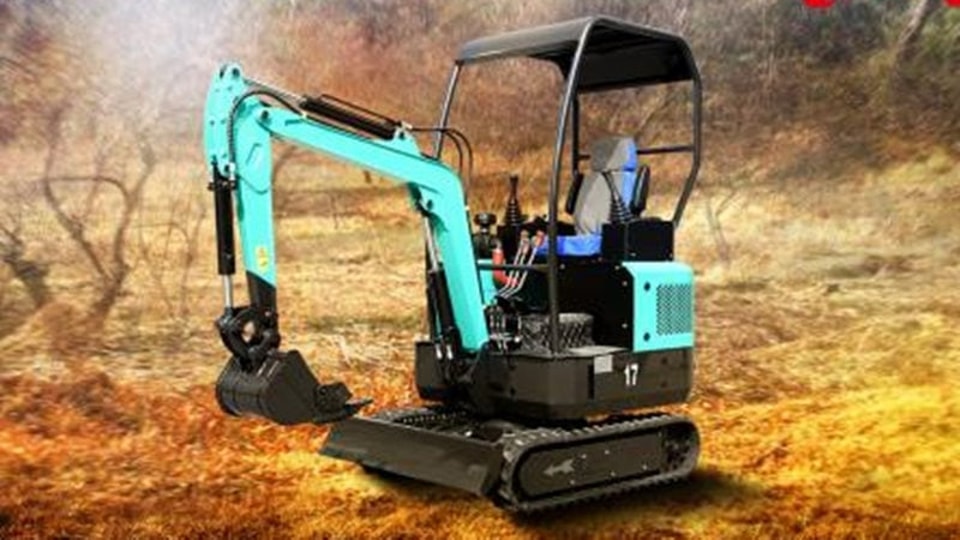
Why Air Filter Maintenance Matters More Than You Think Your excavator's engine pulls in a lot of air – and a lot of dust with it. The paper air filter is the only thing standing between that dust and your engine's cylinders. A clogged filter restricts airflow, which makes the engine work harder, burn more fuel, and lose power. In dusty jobsite conditions, that filter can clog up in a matter of days, not weeks. Most operators know they need to clean or replace the filter. The problem is, a lot of them do it wrong – and end up doing more harm than good. Paper Filter Basics – What You're Dealing With Small excavators use paper element air filters – not foam, not oil-bath. The filter media is made of specially treated microporous paper that traps dust particles while letting clean air pass through[reference:2]. The paper is pleated to increase surface area, which means more dust-holding capacity before the filter clogs. That paper is fragile. Poke it, tear it, or hit it too hard, and you've got a hole. That hole lets unfiltered dust straight into the engine – and that's how you wear out piston rings and cylinder walls long before their time. Two Safe Cleaning Methods – And How to Do Each One Right There are only two recommended ways to clean a paper air filter element. Both work, but both have rules you need to follow. Method 1: Tapping Method This is the simplest method and the safest for the filter paper. Remove the filter element from the housing[reference:3]. Hold it by the end cap – not the paper itself – and gently tap the end surface on a clean, flat surface to shake the dust loose[reference:4]. Don't tap it hard. Don't tap it on concrete or metal. And don't touch the outer surface of the filter element – your fingers can leave oils or indentations that weaken the paper[reference:5]. Rotate the filter as you tap to dislodge dust from all sides. When this method works best: Light to moderate dust buildup. If the filter is caked with mud or heavy dust, tapping won't get it clean enough – you'll need compressed air or a replacement. Method 2: Compressed Air Method This method is more effective than tapping, but it's also easier to mess up. Remove the filter element and stand it upright. Direct compressed air from the inside out – that means blow from the clean side toward the dirty side[reference:6]. Blow along the direction of the pleats, not across them, to avoid tearing the paper[reference:7]. Critical rule: The air pressure must not exceed 0.2 to 0.3 MPa (about 30 to 45 PSI)[reference:8]. Higher pressure can punch holes through the paper[reference:9][reference:10]. If you're not sure about your compressor's output, use a regulator or step back and hold the nozzle further away from the filter. When this method works best: Heavy dust buildup that tapping can't shake loose. Still, if the filter is heavily caked, replacement is usually the better call. Two Things You Should Never Do Don't use water or oil. Paper filters absorb moisture. Water makes the paper swell and collapse. Oil clogs the pores permanently[reference:11]. Once a paper filter gets wet or oily, it's done – replace it. Don't use a brush. Brushing the paper can tear the fibers or push dust deeper into the media. If you must remove surface dust, use a soft brush along the pleat direction and only as a last resort[reference:12]. When to Stop Cleaning and Just Replace Cleaning extends the life of a filter, but it doesn't last forever. Replace the filter element if: The paper is torn, creased, or has holes The rubber seal on the end cap is cracked, warped, or missing[reference:13] The filter has been cleaned more than 3-4 times You see dust tracks on the clean side of the housing Most manufacturers recommend replacing the primary air filter every 500-1000 operating hours, or more often in dusty conditions[reference:14]. A new filter costs far less than the engine damage a failed filter can cause. Installation Check – The Seal Is Everything A clean filter does nothing if it's not installed properly. When you reinstall the filter element, make sure the rubber gasket or seal is firmly seated in the housing[reference:15]. If the seal is damaged or missing, replace it[reference:16]. An improper seal lets unfiltered air bypass the filter entirely – and that defeats the whole purpose. After installation, give the housing a quick tap or two to settle the filter, then secure the cover. It's a small step that makes a big difference. Frequently Asked Questions Q: How often should I clean the air filter on my small excavator?A: It depends on your working conditions. In clean environments, every 100-150 hours is usually enough. In dusty jobsites – demolition, dry digging, or construction on dirt – check it daily and clean it as soon as you see visible dust buildup. Don't wait until the engine starts losing power. Q: Can I clean a paper air filter with water if I let it dry completely?A: No. Paper filter media is not designed to get wet. Even if you let it dry, the water can cause the paper fibers to swell and collapse, which reduces filtration efficiency permanently. If a paper filter gets wet, replace it. Q: What happens if I use too much compressed air pressure?A: High-pressure air can tear holes in the paper pleats. Those holes let unfiltered dust straight into the engine. The safe limit is 0.2-0.3 MPa (30-45 PSI). If your compressor puts out more than that, use a regulator or hold the nozzle further away. Q: How do I know if my air filter needs replacing instead of cleaning?A: Look for tears, creases, or holes in the paper. Check the rubber seal on the end cap – if it's cracked or warped, replace it. Also, if you've cleaned it more than 3-4 times, it's time for a new one. Q: Can I use an air filter that's been cleaned with compressed air but still looks dirty?A: If the filter still looks heavily soiled after cleaning, replace it. A filter that's packed with embedded dust won't flow enough air, even if you blow it out. That restriction costs you power and fuel efficiency.
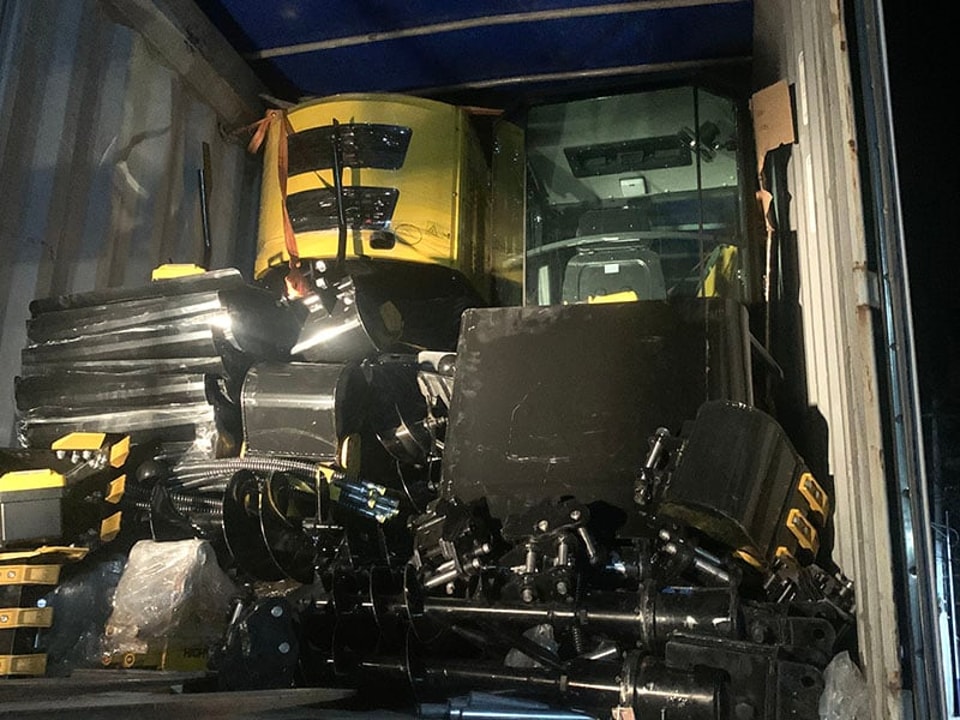
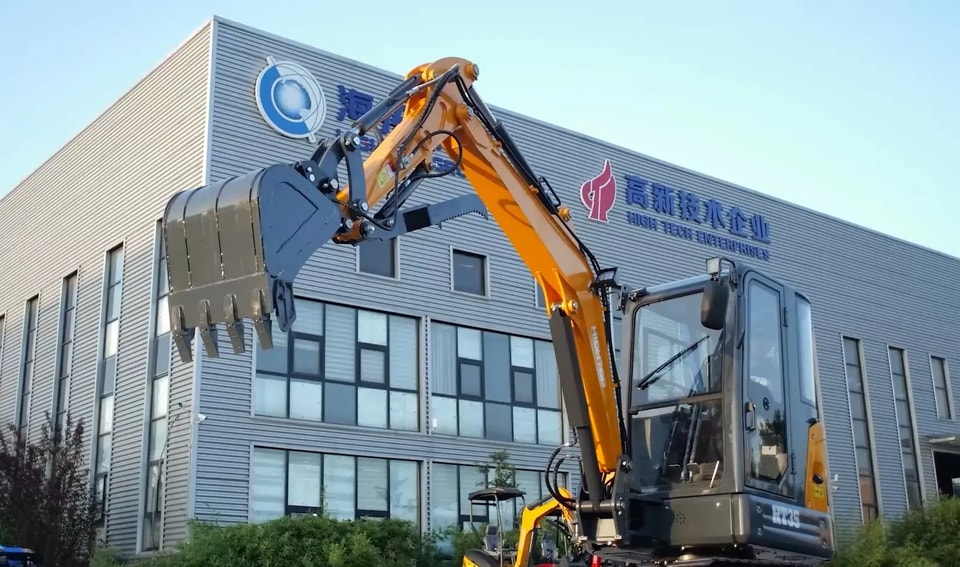
On December 27, the HT10 small excavator was installed in the Hightop Group Industrial Park and will be shipped to Europe soon. At present, Hightop Group's excavator series products have obtained EU CE certification, ISO quality system certification, TVU certification, etc. The model of the mini excavator shipped this time is HT10, which is a compact excavator, using Changchai 192F engine-strong power and stable work. The HT10 small excavator has been sandblasted, pickled, phosphated and sprayed, which can increase the adhesion of the paint molecules, and is more durable, non-bleaching and smoother. The HT10 excavator can also be used with attachments such as augers, grippers, rakes, rippers, narrow buckets, etc., to meet different construction situations.
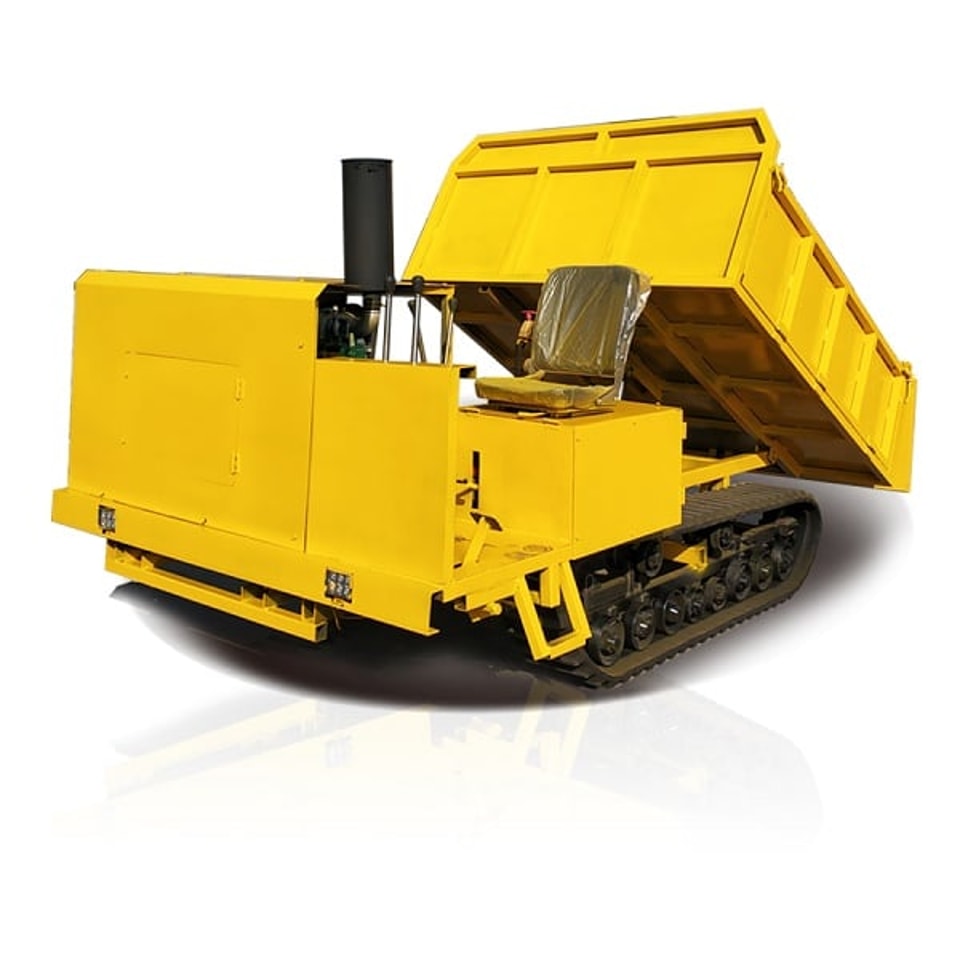
(1) Preparation before starting: ①Comprehensive inspection of the crawler transport vehicle: that is, check the fastening of the fasteners of the diesel engine, turn the decompression handle to decompress the diesel engine or swing the crankshaft, and check whether the moving parts are stuck or abnormal noise; loose Turn on the decompression handle and crank the crankshaft to check whether the cylinder is leaking. The inspection method is: it feels very laborious when turning the crankshaft by hand. ②Check the water in the water tank: add water until the red float head rises to the highest position. If in severe cold winter, slowly add 70~80℃ hot water before starting to preheat the diesel engine. Clean rainwater, snowwater, pond water, river water or lake water that has been precipitated should be used, and dirty or salt-containing water must not be used. ③Inspection of the fuel system of the crawler transport vehicle: whether the fuel in the fuel tank is full; whether the vent on the fuel tank cover is blocked; whether there is oil leakage at the fuel pipes and joints. Loosen the screw on the oil pipe of the fuel injection pump to remove the air in the low-pressure oil circuit; pull up the decompression handle, turn the refueling handle to 1/2 position, swing the crankshaft, and hear the crisp sound of fuel injection. ④ Inspection of the lubrication system of the crawler transporter: pull out the oil dipstick on the crankcase, check the oil storage, the oil trace on the oil dipstick should be between the engraved lines; check whether there are oil leaks in the oil pipes and joints; Raise the decompression handle to turn the crankshaft, and observe whether the oil indicator valve is raised, if it cannot be raised or there is leakage; find the cause and eliminate the fault. ⑥Crawler transport vehicles put the gear lever in the neutral position. (2) Starting steps: ① Pull the speed control handle of the crawler transporter to the start position of "fuel supply".
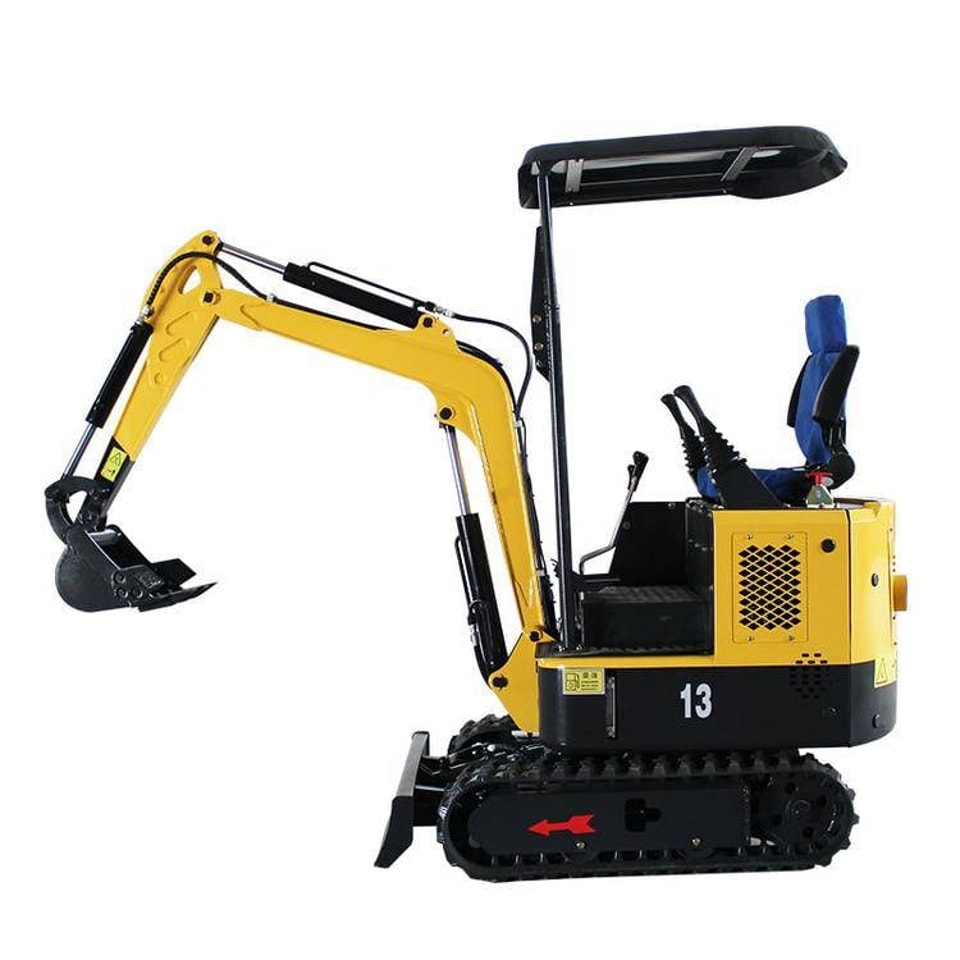
What should you pay attention to when installing the boom and parts of a mini excavator? The following explains the aspects that you must pay attention to when installing the boom and parts of a mini excavator. (1) Put the connecting nut between the boom and the server on it. (2) Next, the mini excavator overhauls and closes the boom cylinder tube, and runs the pipeline when the oil volume in the hydraulic oil filter element rises above the lower limit of the oil volume. (3) The automobile engine and the boom hydraulic cylinder are retractable, and the connecting pin between the boom hydraulic cylinder and the server is inserted into the pin hole according to the crane. Similarly, when a coupling pin is installed between the bucket and the bucket hydraulic cylinder, the oil delivery pipe of the bucket hydraulic cylinder will be opened first. (4) When disassembling and assembling the telescopic boom and arm parts, be sure to use 12# galvanized steel wire rope to fix the end of the boom cylinder and the hydraulic cylinder of the boom cylinder to the corresponding hooks to avoid disassembly and transportation of hydraulic pressure. The cylinder is stretched, bent or damaged. (5) When disassembling and assembling electrical lines and high-pressure oil pipes, mark should be made to prevent incorrect connection during installation. Pins, locks, oil pipes and special screws should be stored safely to prevent confusion and damage. (6) During the whole process of hoisting and transportation, the torque converters of the 2 crawler hydraulic machines should be covered for maintenance to avoid damage due to impact. (7) Encapsulate it in a tarpaulin to protect it from damage. (8) After assembling, carry out maintenance and inspection of the hydraulic excavator. Above are the aspects that must be paid attention to when installing arm parts of micro excavators. If you want to master a large amount of professional knowledge of micro excavators, you are warmly welcome to contact us.
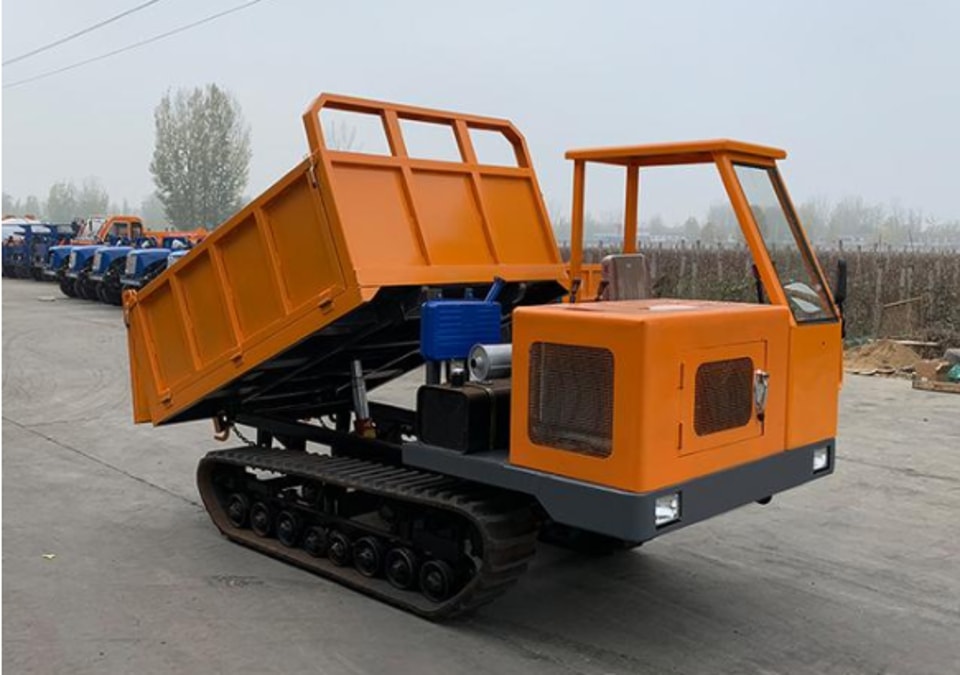
Agricultural crawler transport vehicles have brought us great benefits and saved a lot of manpower, material and financial resources. Therefore, when agricultural crawler transport vehicles are used, we must also pay attention to the maintenance of agricultural crawler transport vehicles. Next, crawler transport The car manufacturers will introduce the winter maintenance knowledge of agricultural crawler transport vehicles. 1. When the temperature is lower than 5℃, it is more difficult to start the engine. At this time, it is necessary to start the engine with some auxiliary mechanical technology. For example, it can heat water or steam to preheat the engine before starting, and the temperature can reach 30℃- Start again when the temperature is above 40°C (diesel engines are usually compression-ignition type, which requires preheating the cylinder temperature and heating the temperature of misty diesel). 2. When the water temperature of the diesel engine is higher than 55℃ and the oil temperature is higher than 45℃, the whole machine can enter the full-load working condition. When the agricultural crawler truck is working normally, the water temperature and oil temperature of the engine should not exceed 95℃. The oil temperature should not exceed 110°C. 3. It is recommended that the engine should not exceed 15 seconds each time. If it cannot be started, the activation switch should be loosened, and the engine should be started after parking for 1 minute. After starting, it needs to be idling for a period of time before resuming and walking. Pay attention, the idling time should not be too long. Long (3-5 minutes), too long will easily form carbon deposits on the inner wall of the cylinder, showing the appearance of pulling the cylinder. If the agricultural crawler transporter is idling, one can charge the battery, and the other can make the water temperature reach 55℃ and the brake air pressure reach above 0.4Mpa. 4. When the temperature is lower than 0℃, after the agricultural crawler truck strikes, discharge the cooling water in the water tank, engine, oil cooler and torque converter oil cooler to avoid freezing and cracking the body; the air storage tank should always be drained. , To avoid icing, causing brake failure. 5. When the temperature is lower than 0℃, check the antifreeze concentration in time, and stop using untreated water as engine coolant. 6. If the agricultural crawler transport vehicle has not been used for more than half a month, it is necessary to start the engine once every 15 days and work for a period of time to charge the battery; if the strike time exceeds one month, please remove the battery and use a charger for charging , And to properly move the four-wheel drive agricultural four-dimension vehicle, change the pressure part of the tire to avoid tire deformation; the vehicle needs to be parked for more than two months, and it is necessary to disconnect or remove the negative battery of the battery.
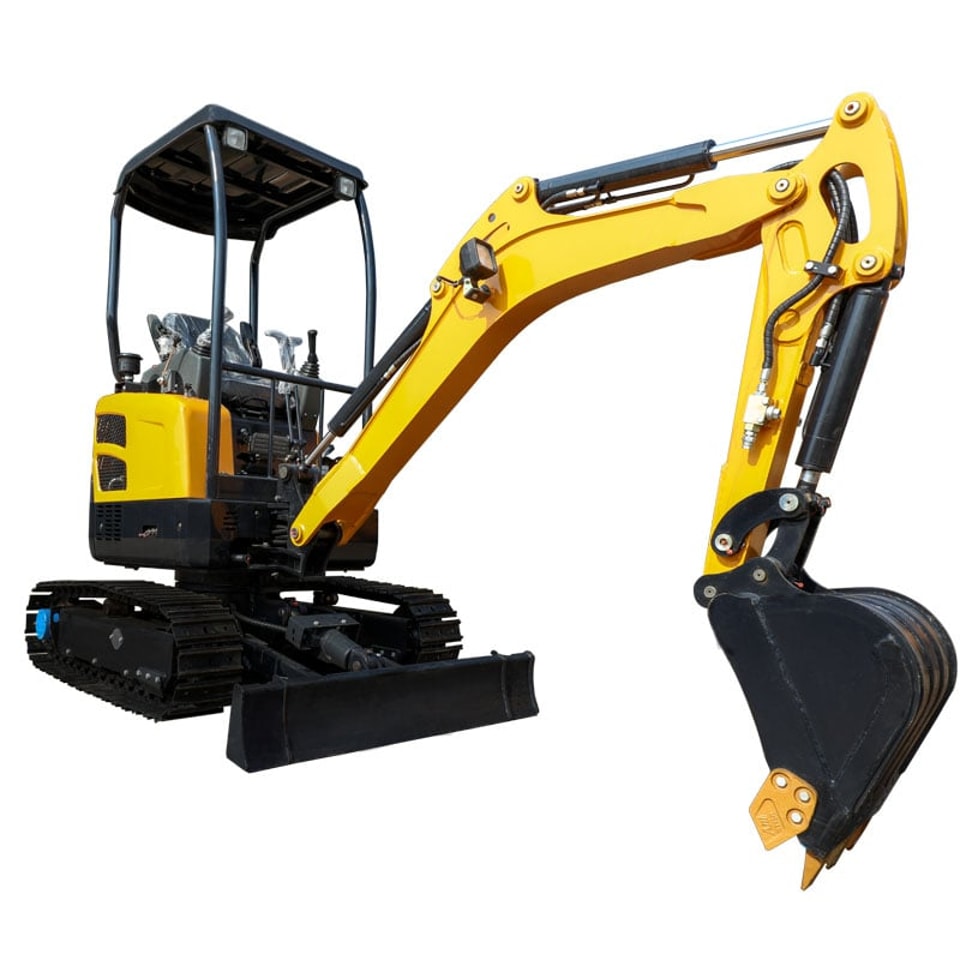
Recently, we have focused on surveys of excavator dealers in East China, South China, and Southwest China. We believe that due to the impact of the epidemic in the short term, industry sales will still fluctuate at the bottom. In the fourth quarter, the seasonal rebound from the previous quarter will increase. The sales of excavators throughout the year will increase by about 10% year-on-year. To 360,000 units. In the medium term, it is expected that the overall sales volume of the industry will remain high and stable in the next 2-3 years, and the concentration of industry leaders will continue to increase. The demand side was still under pressure from July to August, and there was a certain lag in policy transmission. From July to August this year, affected by the rainfall and the epidemic, the industry market did not expect a significant decline, but fluctuated at a low level. In August of this year, southern and eastern China improved this month and last month, while southwestern China maintained a double-digit year-on-year decline.. The impact of the earlier reduction in the RRR and the accelerated issuance of local government special treasury bonds at the end of the project There may be a certain lag. Looking to the future, we expect 4021 industry demand to be "tail", and sales of excavators in 2021 are still expected to maintain a positive growth of about 10%. The growth reached 360,000 units. Price competition has slowed down and commercial terms have become stricter. With the continuous price cuts of small and medium digs in the past two years, it is difficult for dealers to have a "profit effect" in selling small and medium digs; only large digs still have a positive price difference. Although the price increase advocated by the industry association in June has not been finalized, the current terminal sales price of the industry is basically stable; most manufacturers implement a stricter down payment ratio, the payment cycle is generally about 2 years, and risk control is in place. Original equipment manufacturers increase support for distributors. Due to the large price cuts in the early stage, most of the profits contributed by the spreads of excavator dealers are currently limited, mainly relying on the reward and rebate policy after the market share assessment reaches the standard. Since the second quarter, in order to ensure the ecological stability of the upstream and downstream of the industry, OEMs have increased their support to dealers. Distributors are increasing digital capacity building, improving human efficiency and resource conversion efficiency, and further enhancing mid- to long-term competitiveness. Overseas markets provide medium and long-term growth drivers. In June/July 2021, overseas export sales accounted for 26%/29% of the month's sales respectively, and the contribution rate of overseas markets continued to increase. In the medium and long term, we expect that the overseas market share of Chinese companies is expected to continue to grow, and the export sales of Chinese excavators are expected to reach more than 100,000 units to ensure the long-term stability of the industry-long-term demand. The long-term industry will show "weak cycle" characteristics, and the leading share will continue to increase. Distributors generally believe that the excavator industry sales volume may decline slightly in 2022, and will remain relatively stable after that, without the cliff-like decline in 2012-15; among them, industry leaders will continue to rely on digital capacity building and overseas market expansion. The growth trend is stable.

Enquiry about