News & insights.
Shipments, trade shows and practical guides for choosing, running and maintaining compact equipment.
If your excavator often uses a crusher, the reason for the blackening of hydraulic oil is not only impurities, but also the irregularity of the grease. When replacing the boring machine with the excavating machine, it is necessary to lift the broken hammer and press the steel into the piston. Only half of the standard grease gun is needed for each filling. Because if the steel is not pressed when adding the butter, the butter will be placed at the upper limit of the steel trough. When the steel is working, the butter will directly hit the main oil seal and piston of the circuit breaker. The reciprocating motion brings the butter into the cylinder of the circuit breaker, and then the hydraulic oil in the cylinder of the circuit breaker is mixed into the hydraulic system of the excavator, and the hydraulic oil deteriorates and turns black. Here are a variety of single actions, starting from the bottom, do the top and bottom of the bulldozer first, do the top and bottom of the bulldozer. When you look at the top or don’t touch the structure at all, try to push the shovel down to lift the whole machine. Stay for a few minutes at the time to see if there is any automatic fall, if there is leakage in the cylinder or the inside of the valve core; Try again, first move forward about 10 meters at the same time, and then return about 10 meters at the same time, to see if there is any obvious deviation. If there is a significant deviation, uneven oil path, and need to be repaired, then go on one side and walk forward and backward to see if it succeeds. When the engine is at a medium speed, it should be able to walk on one side. (Idle speed is not common when walking on one side and is usually not included in the scope of the fault). Try the rotation again. There should be two kinds of fast operation and slow operation when testing the rotation operation. When the operation is slow, whether the rotation response is too slow or too fast, too slow means that the guide handle does not rotate one-third of the stroke. Action too fast means that the handle starts to move slightly, the swing action starts immediately, the reaction is too fast, and the braking performance is also tested. After the handle stops operating, it should be rotated again. Some have poor braking performance and may have to turn 180 degrees to stop. This is a problem. I have to deal with it. I personally think that the second mobile phone’s braking range is less than 45 degrees, and it is considered qualified; Try buckets, sticks and booms. There is no strict standard for speed. It is usually felt by hand, but it can be provided here. The bucket extends and takes the entire stroke for about 3 seconds. The stick stretches and closes. The whole journey is about 4.5 seconds, the boom will rise or fall to the end, about 5 seconds, if the movement is too fast or too slow, the machine will usually feel it directly. Too fast and too slow are problems. Too slow affects efficiency, too fast, it is easy to damage the machine, it should be repaired, and the value will decrease. Small excavator hydraulic oil often has problems, so we must maintain it well and observe more.
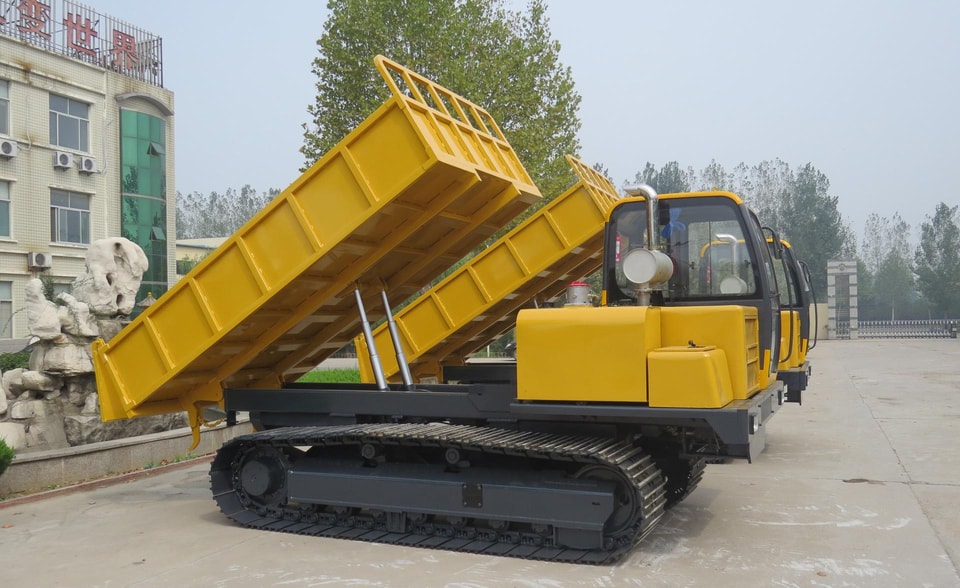
What Is a Crawler Transporter? A crawler transporter is a small tracked vehicle designed to carry materials across rough or soft terrain where wheeled vehicles struggle. It's used on farms, construction sites, and in forestry – anywhere you need to move heavy loads over ground that's muddy, sandy, or uneven. Unlike wheeled vehicles, crawler transporters use rubber or steel tracks. The tracks distribute the machine's weight over a larger surface area, which means less ground pressure and better traction on soft surfaces. Here's why that matters for agricultural work. 7 Practical Advantages of Crawler Transporters 1. Works on Rough and Soft Terrain Wheeled vehicles sink in mud, spin on sand, and slip on ice. Crawler transporters don't have that problem. The tracks provide traction on swamps, river beaches, deserts, paddy fields, tropical rain forests, and snow. If your farm has wet areas, sandy patches, or uneven ground, a crawler transporter keeps moving when other machines get stuck. That means fewer delays and less time spent pulling equipment out of the mud. 2. Simple, Reliable Design The structure of a crawler transporter is straightforward – fewer moving parts than a wheeled vehicle with complex suspension and steering systems. The transmission is stable and the controls are simple to operate. Simple design means less to break. When you're working in remote areas or during peak season, reliability matters more than fancy features. 3. Low Fuel Consumption Crawler transporters typically use single-cylinder diesel engines. They're not powerful enough for highway speeds, but they don't need to be. On a farm or job site, you're moving at walking speed, not highway speed. The single-cylinder design is fuel-efficient – you're not burning diesel to move a heavy drivetrain at high speeds. Lower fuel consumption means lower operating costs per hour. 4. Strong Traction and Climbing Ability The tracks provide excellent traction, which translates to good climbing performance on slopes and uneven ground. The machine can handle inclines that would cause a wheeled vehicle to lose grip and slide back. If your farm has hills or slopes, this matters. You can move materials up and down without worrying about losing control or getting stuck halfway. 5. Small Turning Radius – Works in Tight Spaces Crawler transporters can turn in a much smaller radius than wheeled vehicles of similar size. The tracks allow the machine to pivot almost in place, which makes it maneuverable in narrow spaces. On a farm with tight sheds, narrow pathways, or crowded yards, the ability to turn sharply saves time and reduces the risk of hitting obstacles. 6. Easy to Operate Crawler transporters come with electric starters and centralized controls – no complicated procedures to get started. The controls are laid out logically, and the machine responds predictably to inputs. If you're training seasonal workers or family members who aren't experienced operators, an easy-to-use machine reduces the learning curve and the risk of mistakes. 7. Hydraulic Lifting and Self-Unloading Many crawler transporters come with a hydraulic system that lifts the bed and dumps the load automatically. This eliminates the need for manual unloading – you just pull a lever and the bed tilts. Reducing manual labor is one of the biggest benefits of mechanization. A hydraulic dump bed saves time, reduces physical strain, and allows one person to do what used to take two or three. Who Benefits from a Crawler Transporter? These machines are useful for anyone who needs to move materials across soft or uneven ground. Common users include: Small farms – moving feed, manure, harvested crops, and equipment Orchards and vineyards – navigating between rows without compacting soil Construction sites – moving materials on muddy or uneven ground Forestry operations – hauling logs and equipment through soft terrain Snow removal – clearing snow from pathways and yards
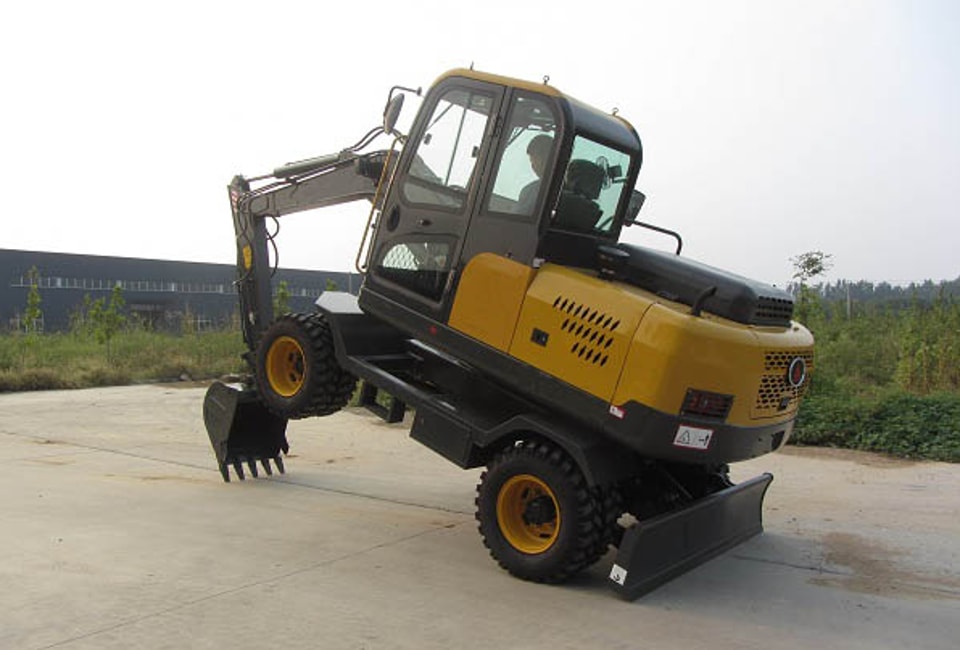
A hydraulic small excavator does four main things: digs, lifts, swings, and moves. Each action puts different demands on the hydraulic system – some need full power, others need speed, and many require both at the same time. Here's what happens inside the machine during each working condition. Four Main Actions – Four Different Hydraulic Demands A hydraulic small excavator performs four primary actions during a typical work cycle: digging, lifting and swinging, dumping, and returning. Each action places a different load on the hydraulic system, and the machine's performance depends on how well the hydraulic components respond to those changing demands. Here's a breakdown of what happens in each working condition – and what it means for the operator. Browse our small excavator lineup to see the models available for your job site. 1. Digging – Bucket and Stick Work Together Digging is where the real work happens. The operator uses the bucket cylinder, the stick cylinder, or both together to break into the ground. This is typically a combined action – the bucket curls while the stick pulls back, and sometimes the boom lowers to help penetration. What the hydraulic system does: During digging, the hydraulic system needs high pressure to generate enough force to break through soil or rock. The pump delivers maximum flow to the cylinders, and the system adjusts pressure based on the resistance encountered. Harder ground means higher pressure. What operators should know: Digging puts the heaviest load on the hydraulic system. If you hear the relief valve opening constantly, you're pushing too hard – back off slightly and let the machine work at its own pace. Overloading the system wastes fuel and wears out components faster. Learn more about digging with small excavators for practical trenching tips. 2. Lifting and Swinging – Boom and Swing Motor in Sync Once the bucket is full, the boom cylinder lifts the boom while the swing motor rotates the upper structure toward the dump truck or stockpile. This is a combined action of the boom and the swing motor – two different hydraulic circuits working at the same time. What the hydraulic system does: Lifting requires high pressure to hold the load. Swinging requires flow to move the turntable at a controlled speed. The hydraulic system must balance pressure and flow between these two functions. If the pump can't supply enough flow to both, the swing slows down or the boom lift stalls. What operators should know: Smooth operation matters here. Jerky movements waste time and put extra stress on the swing motor and boom cylinder. Use gradual joystick inputs – the machine responds better and the hydraulic system stays cooler. 3. Dumping – Stick and Bucket Position the Load At the dumping point, the operator brakes the turntable, adjusts the unloading radius with the stick cylinder, and retracts the bucket cylinder to dump the load. The boom cylinder may also be used to fine-tune the dumping height. What the hydraulic system does: Dumping is less demanding than digging or lifting. The system primarily needs precise control rather than high power. The pump delivers lower flow at moderate pressure, allowing the operator to position the load accurately. What operators should know: This is where precision matters more than power. Rushing the dump cycle often leads to spillage or incomplete unloading – which means extra cycles to clean up. Take the extra second to position the bucket correctly. 4. Returning – Swing and Boom Reposition the Empty Bucket After dumping, the turntable rotates back toward the digging face, and the boom and stick cylinders lower the empty bucket to the new digging position. This is typically a combined action of rotation and boom or stick movement. What the hydraulic system does: Returning is the least demanding part of the cycle. The hydraulic system operates at lower pressure and flow, since there's no load in the bucket and the machine is just repositioning. What operators should know: This is where speed matters. A fast return cycle means more digs per hour. But don't sacrifice control – swinging too fast with the bucket raised is a stability risk, especially on uneven ground. What This Means for Your Daily Operation The hydraulic system is the heart of a small excavator. Understanding how it responds to different working conditions helps you operate more efficiently and avoid unnecessary wear: During heavy digging: Let the machine work – don't force it. Constant relief valve operation wastes fuel and heats up the hydraulic oil. During lifting and swinging: Smooth joystick inputs reduce stress on the swing motor and boom cylinder. During dumping: Precision saves time – accurate positioning means fewer cleanup passes. During returning: Speed helps cycle time, but keep the bucket low to maintain stability. A well-maintained hydraulic system responds smoothly and consistently across all working conditions. If you notice sluggish movements, unusual noises, or inconsistent power, it's time to check the hydraulic fluid level, filters, and pump condition. Frequently Asked Questions What are the main working conditions of a hydraulic small excavator? The four main working conditions are digging, lifting and swinging, dumping, and returning to the digging position. Each condition puts different demands on the hydraulic system – digging needs high pressure, lifting and swinging need balanced pressure and flow, dumping needs precision, and returning needs speed. Why does my excavator feel sluggish during combined actions like lifting and swinging? During combined actions, the hydraulic system must divide flow between multiple circuits. If the pump can't supply enough flow to both functions, one action will slow down. This is normal on smaller machines with limited pump capacity. Smoother joystick inputs help the system balance flow more effectively. What causes the hydraulic system to overheat during continuous digging? Continuous heavy digging keeps the hydraulic system at high pressure for extended periods, which generates heat. If the hydraulic oil temperature exceeds 80°C (176°F), check the oil level, clean the cooler fins, and verify that the relief valve isn't stuck open. How does ground condition affect hydraulic performance? Hard or rocky ground requires higher hydraulic pressure to break through, which puts more strain on the pump and cylinders. Soft or muddy ground reduces traction, which can make the machine feel less responsive even though the hydraulic system is working normally. What's the most common mistake operators make in different working conditions? Pushing too hard during digging – it doesn't speed up the work, it just heats up the oil and wears out the components. Let the machine dig at its own pace and use the hydraulic power efficiently. Not sure which excavator fits your work? Read our buying guide to find the right model for your job site.
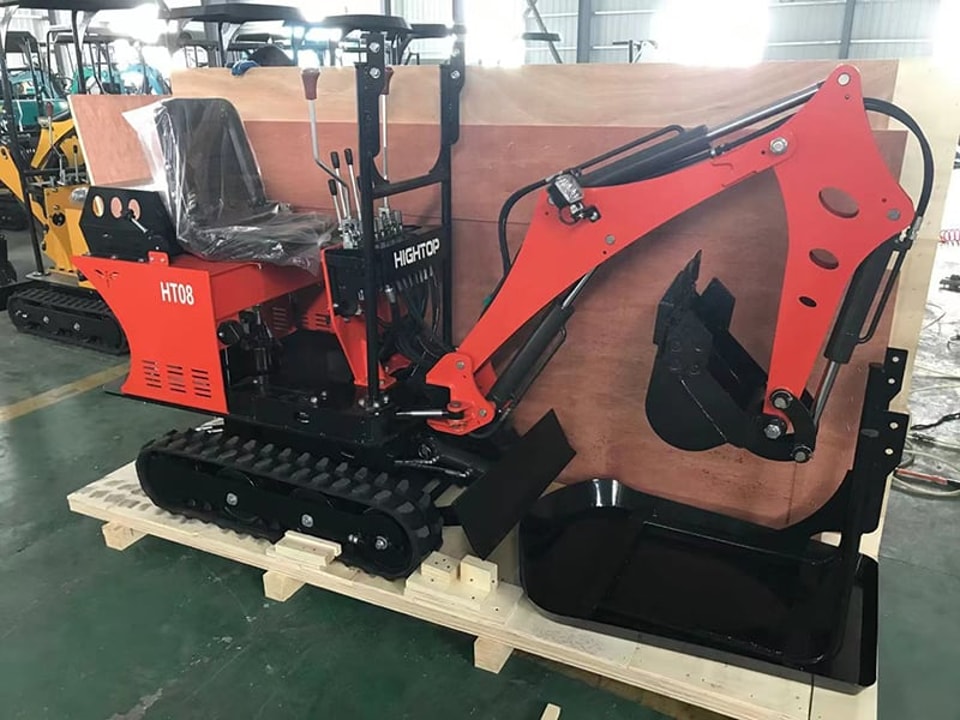
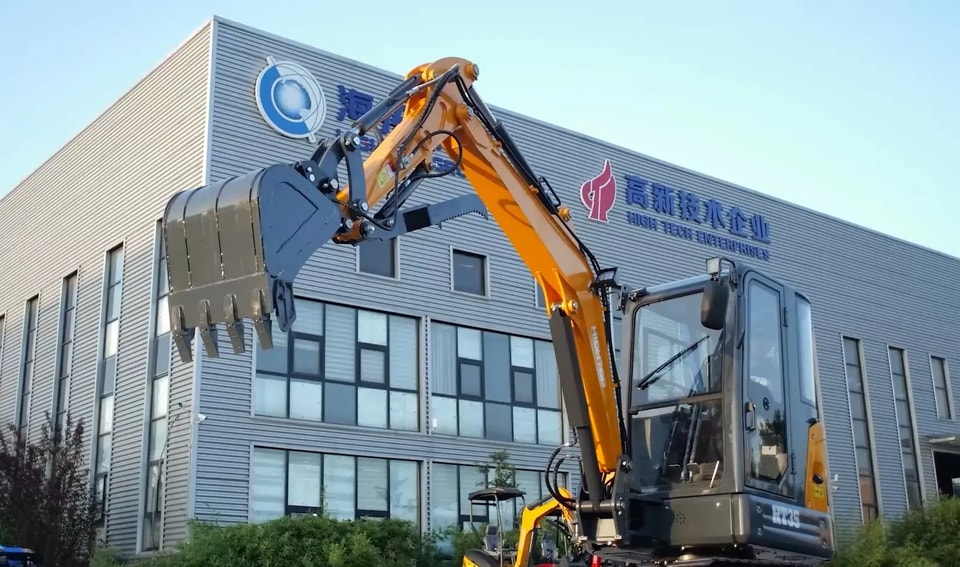
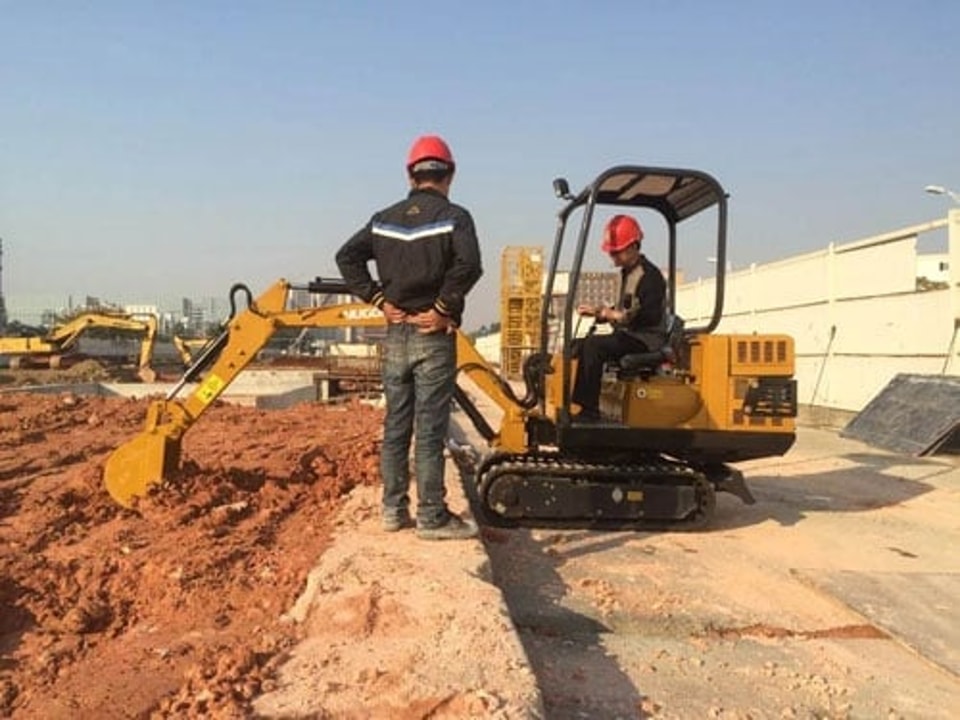
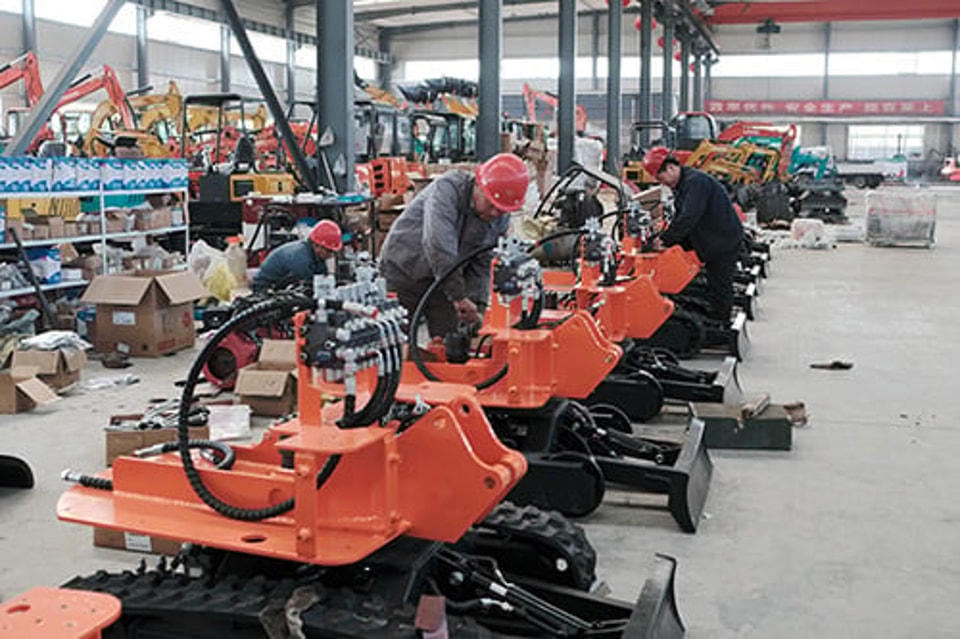
On June 23, the HT08 mini excavator produced by Hightop Group was installed in the industrial park and will soon be shipped to the United States. At present, the mini excavators produced by Hightop Group are highly efficient, easy to maintain, and have long service life. They are highly praised by new and old customers. When it comes to the application of mini excavators in the agricultural field, the first thing that comes to mind is the garden. The characteristics of garden operations are complex terrain, small space, and huge workload, and the small excavator, which is known for its flexibility, can come in handy. Planting trees and digging pits, ground rectification, trench digging, etc., these previous manual operations were replaced by excavators, which saves time and effort and greatly improves efficiency. The unique boom structure design of the HT08 mini excavator makes the pipeline unblocked before operation. The protective cover protects the pipeline from damage. All structural parts are finely processed. Shot blasting, pickling and baking are used to complete the process. The surface has high gloss and high paint adhesion. Choose an excavator to find Hightop , trustworthy! The excavator produced by Hightop Group has successfully passed the ISO 9001 international quality certification system and CE certification. It has strong power, low fuel consumption, easy start-up, and good economic performance.
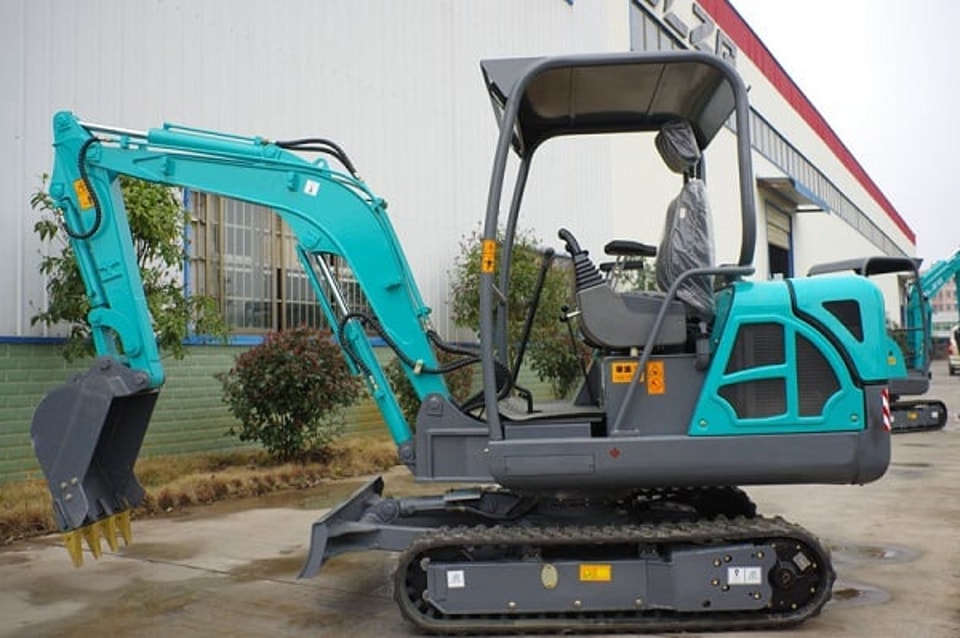
With the widespread application of monitoring systems on small excavators, the requirements for human-machine-information interaction are getting higher and higher. In addition to the functions of the modern small excavator electronic monitoring system, its design rationality, versatility, and ease of operation need to be considered and discussed ingeniously. The relevant technical points need to be processed in detail, otherwise it will be applied In the process, you will find that there are various application problems. A good electronic monitoring system architecture can make it convenient for developers to expand new functions, make it easy for operators to operate, make it easy for maintenance personnel to locate abnormalities and errors, and enable small excavator owners to instantly understand the use of their equipment. Functional requirements of modern monitoring systems Modern monitoring systems generally consist of signal input parts (such as analog signals, switch signals, etc.), signal processing parts, controllers, monitors and control actuators. Due to the harsh working environment, complex working conditions, high maintenance frequency, and inevitable failures of hydraulic small excavators, the monitoring system requires the following functions: (1) Data collection function The system needs to collect the working status signal of the hydraulic small excavator. For example: engine coolant temperature, hydraulic oil humidity, fuel level, air filter alarm switch, battery electric skin, preheating signal, etc. The signal types are mainly analog signal, switch signal, PWM signal, etc. (2) Bus communication function As a part of the electronic control system in mechatronics, the monitoring system needs to interact with the main controller and GPS remote monitoring platform. The main controller and GPS communication module of modern electronic control all adopt the bus control system, and the monitoring system also needs to have the bus communication function. (3) Human-computer interaction function The monitoring system enables the operator to view the working information of the system through the display device. The display device should have a better viewing angle and adjustable brightness, adapt to the needs of different lighting environments, and be able to display alarm indication information. The display interface is beautiful and adaptable. Strong. The displayed interface requires a visually invisible interface refresh process, and the displayed instrument panel requires the pointer to indicate normal. Through the language navigation, the language suitable for the operator can be selected to facilitate the operation of the small excavator. The monitoring system should have a key input function, so that the operator can perform various control operations through the keys, such as enabling the small excavator to switch between high and low speeds, automatic idle speed switching, and parameter calibration. Due to the large size of small excavators, the monitoring system should be equipped with reversing video input and display output, so that the operator can more clearly understand the obstacle information in the non-visible area, and can understand the surrounding environment and increase the safety of operation. (4) The monitoring system has a certain data storage capacity The monitoring system needs to display interface, text and storage working parameters, fault record history information, etc. The storage information needs to be stored in a non-volatile storage medium. The storage structure of the designed monitoring system needs to have: reasonable design, high utilization, and high reliability. (5) Easy to upgrade system software The working site environment of the small liquid-skin excavator is complicated, and sometimes the construction site does not have the conditions for disassembly and assembly of equipment. Modern monitoring systems propose to be able to update remote programs through a remote monitoring platform. If conditions permit, it may also be required to pass an on-site upgrade. The traditional way of upgrading through online programs requires disassembling the equipment, and the way that must be physically connected is not suitable for modern electronic monitoring systems. Therefore, a better system software upgrade method is needed. (6) Fault record and storage, fault display, sound and light alarm, etc. Since the failure of the small hydraulic excavator is inevitable, it is necessary to instruct the operator to carry out the necessary alarm processing by means of fault alarm. The text prompt can directly indicate the fault location, which is convenient for maintenance personnel to eliminate and deal with the corresponding fault. Maintenance personnel can view the related fault source of the fault by reading the historical fault record stored in the memory, and conduct further fault diagnosis and troubleshooting. At the same time, the fault alarm can be uploaded to the remote monitoring platform, and the platform operator can also instantaneously check the working conditions of the small excavator and carry out corresponding fault handling. (7) Enable the small excavator to carry out the first, second and third level locking of the car remotely. When the small hydraulic excavator is used abnormally, the monitoring system determines whether the small excavator is working through the control instructions sent from the monitoring platform, and can perform corresponding Class I, II, and H locks. In this way, the leased vehicles can be further restricted and managed, and the irregular behavior of the small excavator rental market can be restricted in a wider range. (8) Anti-interference ability Since the power supply of the hydraulic small excavator comes from the battery, it is easy to generate transient voltage when starting and stopping the operation. At the same time, electrostatic interference, electromagnetic interference, etc. may also damage the normal operation of the monitoring system. The hardware design of the system must consider electromagnetic interference.
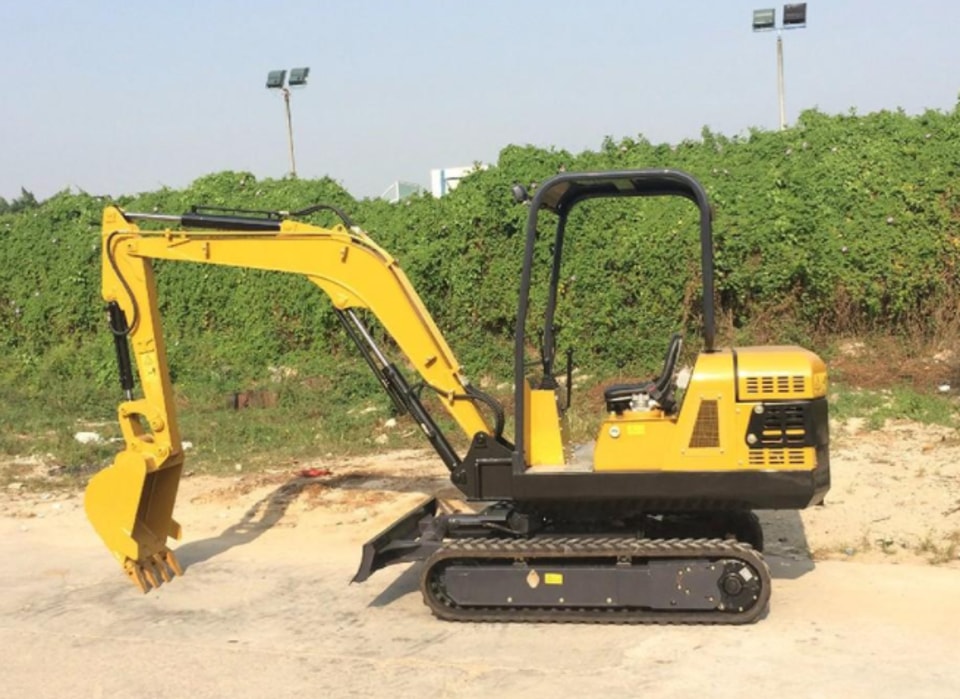
The common causes of crankshaft failure of small excavator diesel engine are: First of all, when the lubrication is not good. A poor diesel lubrication system and the semi-friction connection between the journal and the gasket (that is, the bearing at the cut is not strong) will cause the bearing bush to burn out and often use up the shaft. After the root is removed, the stress will change and friction will occur between the bottom of the crankshaft and the crank arm. Second, the bearing is not working properly. For diesel engines, if the main bearing rotates through the rolling pivot, or the gap is too large and the main bearing shaft is different or too large, that is, the crankshaft, flywheel, radial deflection, and the specific gravity of the diesel itself. In addition to the uniform force on the crankshaft, it also affects the work of each cylinder. Similarly, if the gap of the connecting rod bearing assembly is too large or the alloy falls, the impact load will cause the crankshaft to appear for the first time, thereby increasing the cause of damage. Third, the loosening of the main bearing cap nut is one of the important reasons for the premature failure of the crankshaft, because the crankshaft is lost or loose in the support, and each coaxial bearing hole is coaxially offset. If the aisle after the main bearing nut loosens loosens the forklift axle and the bearing clearance affects the aisle, the diesel engine must be out of tolerance. In other words, the main diary is lost. If a concentric shift occurs and the crankshaft rotates in the housing to the end of the housing hole, the crankshaft load will be different and the crankshaft may be damaged. Fourth, the axial disturbance of the crankshaft is too large. If the clearance along the crankshaft is too large, the main reason is the axial movement of the crankshaft. The crankshaft, which is the thrust bearing of the connecting piece, is located on the 4th side of the main track, and it has a directional clearance when the crankshaft reaches 0.5-0.6 mm or more. As a result, the working load diesel engine and the crank arm having the crank reaction force on the bearing end face become heavier to ensure a certain degree of deflection. Stress concentration can accelerate the cracking process of the crankshaft. The flywheel is moving. Fifth, the loose flywheel bolts will eventually damage the crankshaft assembly, resulting in crankshaft fatigue, loss of dynamic balance and significant loss of inertial force. When the crankshaft and flywheel pass through this matching cone (for example, diesel engine S195), the flywheel is either used as an outer surface, or the crankshaft breaks and gets stuck in the keyway, such as the function of the crankshaft. The coupling area is less than 75%. diesel engine. Sixth, the power is out of balance. When the maintenance is switched to the crankshaft, the iron or iron balance does not meet the unbalance requirements, and the original balance is lost. The crankshaft bearing is easier to manufacture, but the inertial impact force is relatively high. In addition, when repairing the crankshaft, the bearing will deviate from the crank radius, causing strong vibration and overloading of the diesel engine, which will increase the tolerance of the crank arm I and cause the imbalance to exceed the centrifugal force. Long time (ie, rupture) can easily fatigue the crankshaft. Seventh, the crankshaft is not properly grounded. Only the crankshaft, because the crankshaft is the most important factor that affects the crankshaft, crankshaft, connecting rod journal, the rounded corners between the main journal and the crankshaft, and the bending fatigue strength of the crank of the starting arm, so ignore the main journal polishing, please ignore the rounded corners, The shaft journal is coaxial, parallel, crank radius, other repair shoulder and shaft journal surface roughness, as well as the size and shape of the angle between each crank pin. Grinding and non-grinding wheels. Incorrect fillet drilling or right-angle fillet cannot choose the correct fillet. Therefore, the result obtained here is that the crankshaft fillet is prone to stress concentration and strength reduction, and is prone to cracking.
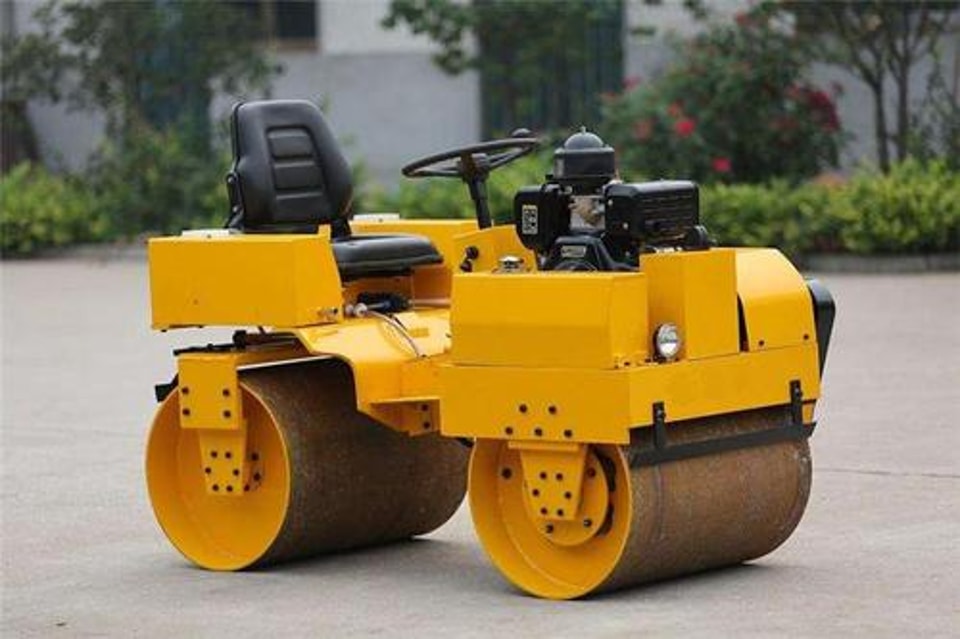
In the process of using small rollers, the failures are actually unexpected, because we have not anticipated that, once the failure occurs, everyone will often be caught off guard and do not know how to deal with it. For example, if the small roller is in use The engine suddenly does not start during driving. Do you know the reason? In fact, when you are driving a small roller, if you do a good job in the run-in period, you can actually reduce the breakdown. To prevent the occurrence of small-sized roller failures, the operation should be regulated during the running-in period. If there are some failures in the use of small rollers, it will cause delays in work. If the engine does not start. The possible reason is: 1. Check the control position to see if the fuel valve is open or not, and turn the valve to open. Close the choke door and turn on the engine switch of the compact roller. 2. Check the fuel. If the fuel is gone, add fuel. It may be that the fuel has deteriorated. In this case, it is necessary to change the fuel. 3. Remove and check the spark plug, clean, adjust the gap or replace the new spark plug. If the spark plug is soaked with fuel, dry it and reinstall it, and move the valve lever to a faster position. No one can guarantee that their own small rollers will not malfunction, so the operators of ordinary small rollers must have a general understanding of the working principles of some related machinery in case of emergency. After leaving the factory, small rollers will normally have a running-in period of about 60 hours (some called the running-in period), which is stipulated by the manufacturing factory based on the technical characteristics of the initial use of construction machinery. The running-in period is an important link to ensure the normal operation of construction machinery, reduce the failure rate, and extend its service life. But at present, some users neglect the extra skill request of the new machine during the running-in period because of the lack of common sense in the use of construction machinery or because of the tight schedule or want to obtain profits as soon as possible. Some users even think that, anyway, the manufacturer has a repair period, and the small roller is broken and the manufacturer is responsible for the repair, so the machine is overloaded for a long time during the running-in period, resulting in frequent early failures of the machine, which not only affects the normal application of the machine , Shortening the service life of the machine, and also because of the damage of the machine, affecting the progress of the project. Therefore, sufficient attention should be paid to the use and maintenance of the running-in period of small rollers.
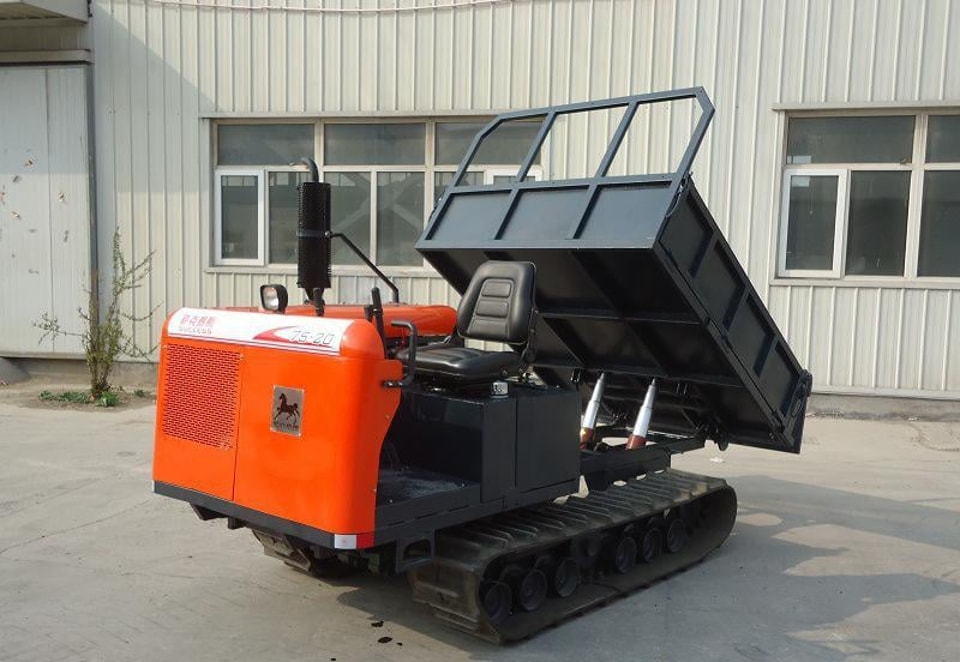
In order to adapt to the transportation characteristics of the mountain orchard road environment, according to the walking characteristics of the crawler truck, the overall design requirements of the mountain orchard crawler truck based on improving the anti-rollover performance are proposed. On the basis of completing the design of each assembly, with the goal of improving the anti-rollover performance of the transporter, the anti-rollover design of the overall layout of the mountain orchard crawler transporter was completed. A three-dimensional solid model of the whole vehicle was established and simulated, and the results met the design requirements and shortened the design cycle. The proportion of fruit in the agricultural output value of our country is increasing, but the mechanization of fruit production is obviously lagging behind, especially in orchard transportation. For example, 90% of citrus fruits in my country are planted in hilly and mountainous areas with complex terrain. However, the transportation of fruits and agricultural materials during the planting and harvesting process is still dominated by human transportation, with low production efficiency and high labor intensity. The traditional wheeled agricultural transport vehicle lacks the specificity of the terrain. At present, foreign agricultural transport vehicles can be basically divided into Japanese and Korean models, Italian-German models, British-French models and American-Canada models. The geographical environment of Japan and South Korea is mainly mountainous, and the scale of farming is not large, making self-propelled crawler and wheeled small transport vehicles popular. The terrain of Italy and Germany is characterized by hilly and mountainous areas, but mainly farm management, mainly using independent agricultural transport vehicles and agricultural tractor deformation transport vehicles. The geographical environment of many European countries such as Britain and France.
Why Hydraulic Cylinder Maintenance Matters Hydraulic cylinders are what make your excavator dig, lift, and swing. They convert hydraulic fluid pressure into mechanical force – and they do it thousands of times a day. When a cylinder fails, the machine stops. And cylinder failures are almost always preventable with regular maintenance. Here are the 5 most important maintenance tasks for small excavator hydraulic cylinders – and how to do them. 1. Change the Hydraulic Oil and Clean the Filter Regularly Hydraulic oil is the lifeblood of the system. Over time, it breaks down, accumulates moisture, and picks up contaminants from normal wear. Dirty oil is the #1 cause of cylinder failure. What to do: Follow the manufacturer's recommended oil change interval – typically every 1000-2000 operating hours, depending on the machine and working conditions. When you change the oil, clean or replace the filter screen at the same time. Why it matters: Clean oil keeps the cylinder seals lubricated and prevents abrasive particles from scoring the cylinder walls. A $50 oil change can prevent a $500 cylinder rebuild. 2. Lubricate the Moving Parts Cylinder rods, pins, and bushings need regular lubrication. When they run dry, metal rubs on metal – and that causes rapid wear. What to do: Grease the cylinder rod ends, pivot pins, and bushings daily – or at least every 8-10 operating hours. Use a high-quality lithium-based grease that's rated for the working conditions. Why it matters: A dry pin wears out in weeks. A lubricated pin lasts for years. Grease is cheap. Cylinder replacement is not. 3. Check Bolt Tightness Vibration from normal operation loosens bolts over time. Loose bolts on cylinder mounts, rod ends, and hydraulic connections can cause misalignment, leaks, and sudden failure. What to do: Check the tightness of all cylinder-related bolts weekly. Use a torque wrench and follow the manufacturer's specifications – don't just guess. Why it matters: A loose cylinder mount shifts under load, which wears the rod and seals unevenly. Tight bolts keep everything aligned and working as designed. 4. Control the Oil Temperature Hydraulic oil has an ideal operating temperature range – typically between 40-80°C (100-175°F). When the oil gets too hot, it thins out and loses its lubricating properties. Seals become soft and wear out faster. What to do: Watch the temperature gauge. If the hydraulic oil temperature regularly exceeds 80°C, check the cooler, clean the fins, and verify that the relief valve isn't stuck. Avoid continuous heavy work without giving the machine a break. Why it matters: Every 10°C above the recommended temperature halves the life of the hydraulic seals. A hot oil problem is a cylinder problem waiting to happen. 5. Keep Dust and Debris Out The dust seal is the cylinder's first line of defense. When it fails, dirt and sand get into the cylinder, scoring the rod and wearing out the main seal from the inside. What to do: Wipe down the cylinder rod before and after each shift. Check the dust seal for cracks or damage. In dusty working conditions, clean the seal area daily with a soft cloth. Why it matters: A scratched cylinder rod is expensive to repair – it requires re-chroming or replacement. A clean rod and intact dust seal prevent that damage from happening in the first place. Other Important Considerations Use the right oil for the season. In summer, use a higher-viscosity oil that maintains its thickness at high temperatures. In winter, use a lower-viscosity oil that flows easily in cold weather. The wrong oil for the season reduces performance and increases wear. Avoid overloading the machine. Overloading puts extra pressure on the hydraulic system, which stresses the cylinders and seals. If the relief valve is constantly opening, you're pushing the machine too hard. Work on level ground when possible. Operating on slopes puts uneven loads on the cylinders, which causes uneven wear. If you must work on a slope, minimize the time spent with the boom fully extended.

Enquiry about