Product Selection
Shipments, trade shows and practical guides for choosing, running and maintaining compact equipment.
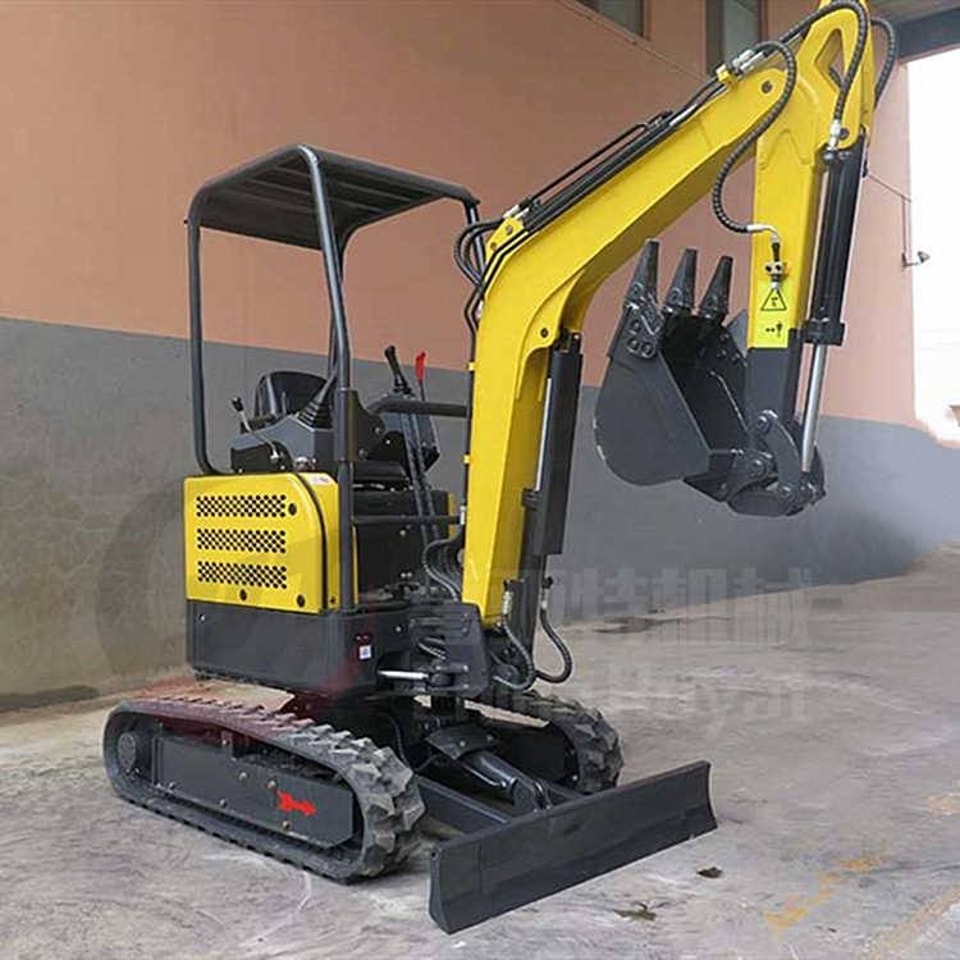
Everyone who drives a mini excavator knows that in addition to the maintenance of the machine, the daily operation cost accounts for most of the cost. It is burning oil. Every time you refuel the machine, will you faint and feel heartache? Because of the inevitable need for refueling, it is necessary to Oil (to some hard drives today) is working hard to provide you with fuel-saving tips for excavator operation. Think of yourself as an excavator before sharing, and you'll better understand why. 1. When loading, the excavator should be in a higher position, and the truck should be parked at the same height as the work surface. The reason is simple, a rock, is your knee as hard as your head when you lift it? How much "energy" will it save? Assuming the same height as in earlier years, you can trek 40% of the power. Cool! 2. When the bucket cylinder and connecting rod, the ejector cylinder and the ejector are all at 90°, each cylinder pushes the excavator with the maximum force. 3. When excavating natural ground, the bucket or loosening equipment should keep the ground angle at about 30°, and then retract the bucket stick. When the bucket stick is close to vertical, the bucket stick has the maximum force and can withstand larger load. These two key points are like bending your arms to carry things, or sticking to your arms straight, of course bent. 4. At the beginning of excavation, do not extend the bucket rod out of the maximum action plan, the best action plan is about 80%. 5. Bucket shaft excavation planning: the angle of the bucket shaft from the farthest 45° to the inside is 30°. Excavation depths vary slightly, but larger sticks and buckets should be operated within this plan, not at the end of the cylinder stroke. 6. During continuous excavation, place the chassis forward so that you can walk immediately after excavation. If you want to walk, please change it again, you will burn a lot of oil at the beginning and end. 7. When digging a trench, first dig the two ends of the trench, and then dig the center part. In this way, excavating in the center can save a lot of work and effort. 8. Put the engine in the economical gear. Select automatic idle to allow the engine to idle during excavation. 9, Minimize the radius of rotation. 10. The smaller the excavation depth, the better the excavation economy. Divided into upper, middle and lower three layers of excavation, assuming that the excavation is carried out in sequence from low to high, the first is the increase of the action plan, and then the increase of the power plan of the excavator decreases, which reduces the working power, which will cost a lot of money. of oil.
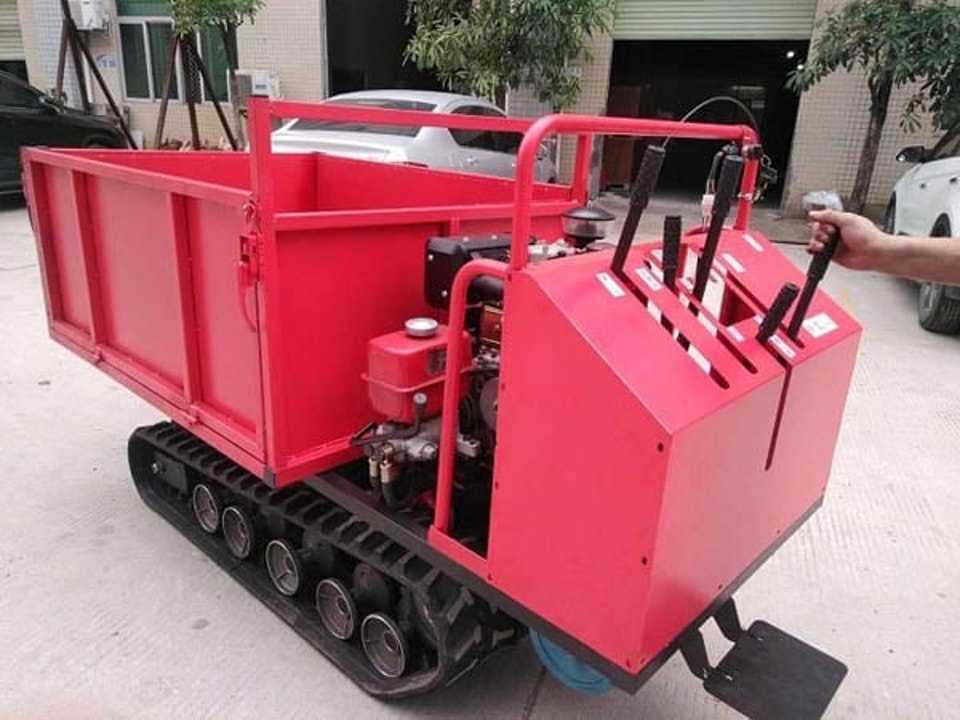
The grounding specific pressure of the running gear of the crawler transport vehicle can be adjusted by changing the grounding length of the crawler transport vehicle and the width of the crawler transport vehicle. Large crawler transport vehicle machinery. The application of the multi-track transport vehicle traveling device on large-scale mining equipment has the following advantages: 1. The multi-track transport vehicle traveling device can not only realize various walking movements required by mining equipment such as bucket wheel excavators in work, but also can stop at any time. 2. The support area can be easily adjusted by changing the number of crawler transport vehicles and the width, length and different combinations of the crawler transport vehicles according to the change of the equipment load, so as to adapt to the grounding specific pressure requirements that the soil can bear. 3. In the field construction, the walking device of the crawler transport vehicle has good mobility, and the requirements for the flatness and compactness of the site are low, and the adjustment of the machine position is relatively convenient. 4. It can overcome the ground slope of the mining area, and can complete normal operations on steps with a small slope. 5. It can realize the diversification of working conditions. For example, the bucket wheel excavator can work while walking, or it can be fixed at a certain working position to work according to the needs. 6. It is convenient to change the working site, and the whole machine can be easily transferred from one working face to another working face. 7. It is convenient to park, and the machine can be parked at any position of the workplace only by the friction between the crawler transport vehicle and the ground. 8. The bearing capacity is huge, and the load can be statically transmitted to the ground to avoid local overloading of machine parts and the ground. 9. The walking device of the crawler transport vehicle has good adaptability to the ground and can walk on relatively uneven ground that has been simply leveled. 10. It can easily realize the stepless speed change of the multi-track transport vehicle through electro-hydraulic control, and can realize constant speed control, instant reverse walking, etc., to ensure the frequent advance and retreat of the machine during operation. 11. It can adapt to various harsh climatic conditions and workplaces, and has good passability to various soils.
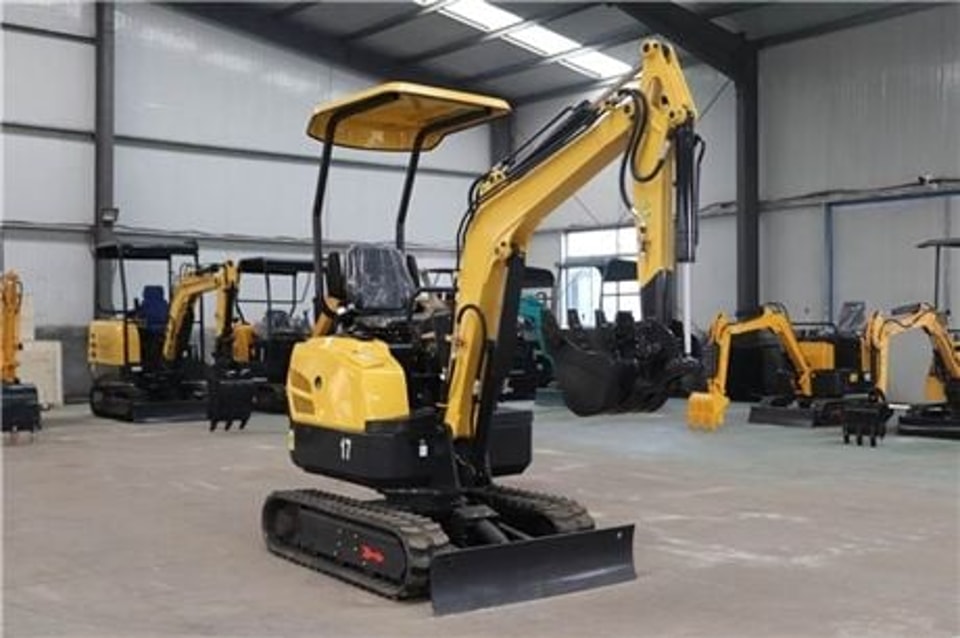
Relying on the advantages of small size, strong power, low fuel consumption and high flexibility, the mini excavator can perform construction operations such as digging fertilizer trenches and fruit tree pits in orchards. It is known as a good helper for orchard farmers to open and cultivate. power, but also save labor costs. At the same time, the multi-functional small excavator is also suitable for road greening and repairing, excavating cable trenches, filling pipelines, mining and mining, and operating in narrow and congested subway tunnels. It is suitable for coal washing plants, paper mills, sugar mills and other factories and mines Picking up and moving, suitable for farms such as pig farms, chicken farms and other farms to plough and ferment bedding operations. Top of the list, broad applicability. The miniature excavator is small in size and flexible in movement, which is very suitable for various pipe excavation, foundation construction, public utilities and house repairing operations in towns and villages. The compact size and special planning of the small excavator enable it to work in environments where large excavators cannot work. Second, versatility. The real benefit of a mini excavator is its versatility. Because of the relevant hydraulic power system, the small excavator can be equipped with many auxiliary tools, such as equipment rollers and plate compactors for landfill compaction of trenches; equipment breakers and hydraulic pliers are used for lightweight lifting operations; equipment rotary Drilling tools are used for drilling, fishing hooks are used for lifting heavy objects; equipment finger pliers are used for shoveling operations and so on. Third, the obvious job characteristics. The planning and application of the tail rotation radius of zero makes it unnecessary for the excavator operator to consider whether there are obstacles on the construction site to prevent the excavator from rolling when the small excavator operates in an environment with limited working space, so that the operator can focus more on the bucket. operation, which also avoids damage to buildings around the construction site as well as the excavator itself. The most important feature of the mini excavator suitable for working in confined areas is its special boom and stick design. The boom of the mini excavator is articulated with the body, which allows it to rock over a wide range. This plan enables the excavator to avoid obstacles when there are obstacles around it to operate without having to move the body frequently. At the same time, this also allows the excavator to facilitate excavation work around walls or fences. The rubber track of the mini excavator helps to reduce the damage to the phenomenon area in the narrow construction area and the journey of the excavator during construction. Fourth, it is convenient to transport and move the workplace. The small excavation facilitates handling between construction sites, without the need for large trailers or heavy trucks to transport, and small transport items can be carried. This not only facilitates transportation, but also reduces the transportation cost of the machine in a rugged way.
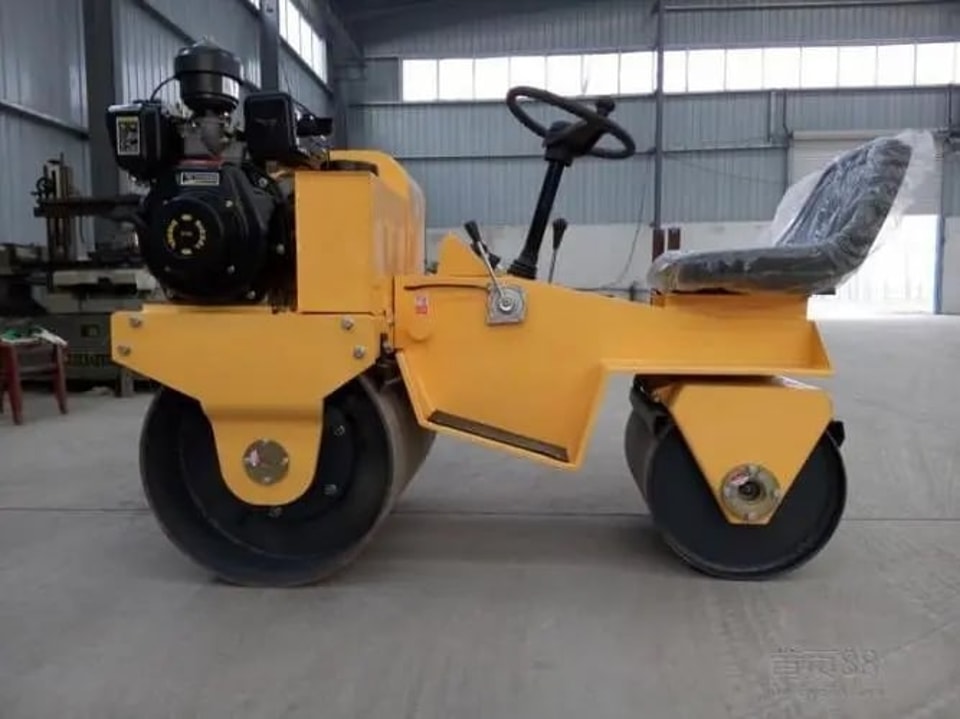
Small-scale road rollers mainly refer to compaction machines of more than 3 tons and less than 10 tons. They are mainly divided into single-drum and double-drum rollers in structure. In recent years, rubber rollers of about 5 tons and hollow or solid bump rollers have appeared one after another. , The basic system solves the compaction problem of earthwork, gravel, sand and gravel mixture and oil surface. In view of the overall structure of the small road roller, no matter which field it is used for compaction, it basically plays the role of an auxiliary. Afterwards, when encountering green belts or sidewalk sections, a 3-ton double-drum road roller will be used in conjunction with the need to welt or close the side and compaction. Up to now, China has a large number of rural infrastructures that need to be upgraded. During the process of laying narrow roads or roads, it is inevitable to meet the needs of trench backfilling or water conservancy projects. The vibration of micro-small single drums under 10 tons can play its advantages. Backfilling and compaction can be performed for trenches with a width of 0.5 meters to 1.5 meters, but the thickness is not recommended to exceed 25 cm. Comprehensive consideration, no matter whether it is earthwork, gravel, sand, or oil surface, there is room for miniature road rollers, mainly walk-behind and ride-on. It is necessary to reasonably match construction machinery. For example, a mini crawler excavator of about 3 tons can be considered for the renovation of aqua toilets or ditching, and a single-drum or double-drum road roller can be considered for road compaction, and suitable machinery and equipment can be selected according to the budget. For the better, under the influence of the epidemic, it is not recommended for bosses to rush for quick success.
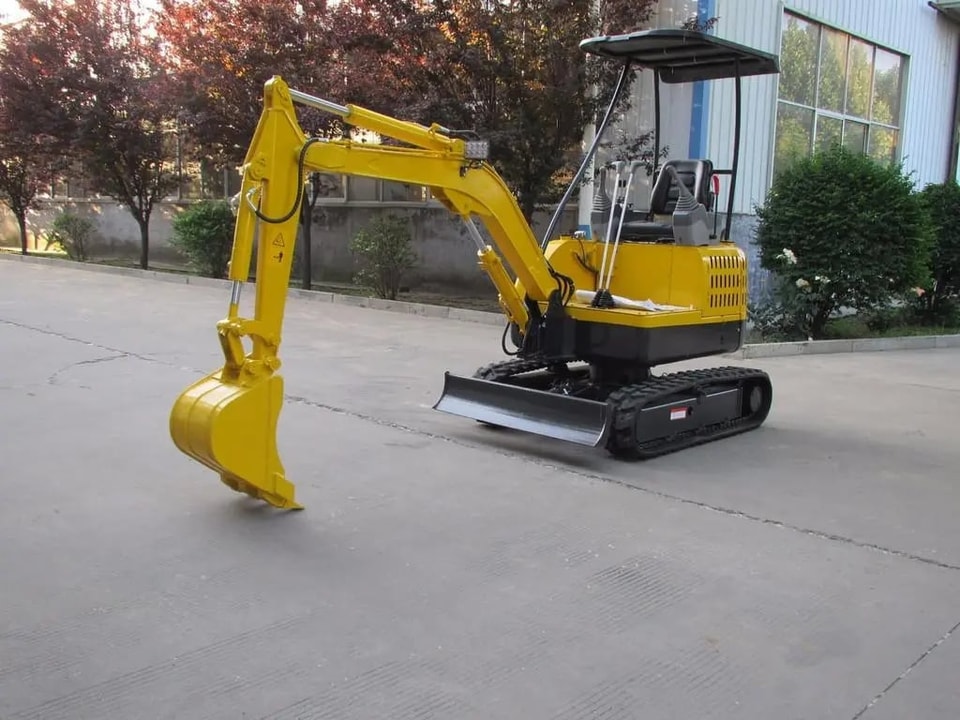
In all normal work of the small excavator, the temperature of the hydraulic press management system is not easy to exceed 50 °C. Once it exceeds 50 °C, the management system may become hot, and if its temperature is greater than or equal to 80 °C, It may cause the shortcomings of the hydraulic press management system of small excavators, and the hydraulic press management system is gradually hot . If the hydraulic press management system of the small excavator gradually shows a hot situation, it will cause the following series of problems: the working pressure of its work is reduced, the power is insufficient, the output power output is unstable, the operation and care failure, etc., and also It will endanger the continuous work of the hydraulic press management system and cause fatigue. Therefore, it is necessary to make a diversified analysis of the shortcomings of the small excavator hydraulic press management system, and carry out immediate precautions to ensure the stable operation of the small excavator hydraulic press management system. 1. The hot effect of the hydraulic press management system of the small excavator. In the process of the application of the small excavator, the hot hydraulic press management system of the small excavator is a disadvantage that causes repeated problems, and its analysis and solution process is still relatively speaking. Very disorganized. At the beginning of the defect, all functions work normally, but with the continuous rise of the temperature in the hydraulic press management system, some obvious abnormal problems will appear after one hour of continuous work, and endanger everything in the hydraulic press management system. Normal work, prompting its internal organizational system to work slowly, the scope of exploration is not good. Therefore, if the hot fault of the small excavator is not solved immediately, it will cause great harm: ① The viscosity of the hydraulic oil is reduced, which increases the possibility of leakage, and promotes the heating of the management system. vicious cycle; ② the air oxidation rate of the hydraulic oil is accelerated, and the small round holes of the components are blocked, which endangers the application of the hydraulic system; ③ the simple composition of the plastic hose becomes brittle, and the rubber products are ineffective; ④ aggravates the damage of the gasoline pump and the hydraulic solenoid valve damage, or even cause its failure, and cannot be used. ,Analysis of the hot and shortcoming of the hydraulic press management system of the small excavator, 2 factors that endanger the hot management system of the hydraulic press of the small excavator, 1) The system architecture is unscientific, the parts are not up to standard, the unscientific structure of the hydraulic press system and the improper operation may be Its parts are not good enough, such as the pipeline of gear oil is too thin when working, the capacity of the car fuel tank is too small, the pipeline of gear oil is not 90°, and the heat removal ability of the car fuel tank is poor, etc., all of which will cause digging. The heat of the hydraulic press management system. 2. The viscosity of the gear oil is low. The gear oil in the hydraulic press management system of the small excavator is viscous. When the temperature rises, the viscosity of the gear oil will decrease. At this time, it is easy to cause the leakage of the management system and endanger the small excavation. The working output power of the machine. Moreover, the gear oil has a smooth effect, and its viscosity is reduced, the protective film formed on the surface of the management system will become soft, the effect will be reduced, and the damage will be aggravated when the surface is exercised, and the application rate of components will also be reduced. will decrease. In addition, the unscientific application and repair of the hydraulic press management system will increase the possibility of the management system becoming hot. For example, the fact that the actual operation staff blindly follow the trend of oil supply will cause the oil level of the shock absorber tank to be too high, and the management system may become hot at this time; the unscientific repair of the hydraulic press management system will harm the work of the management system. There is a possibility of causing the management system to become hot. 3. The method to solve the hot problem of the hydraulic press management system of the small excavator, (1) to improve the setting of its heat pipe heat dissipation, the setting of the heat pipe heat dissipation in the small excavator is the guarantee for the normal operation of the small excavator hydraulic press management system. The cooling tower can be set up in the hydraulic press management system, to ensure the natural ventilation effect of the cooling tower, carry out an immediate inquiry on the cooling tower's heat exhaust pipe and the transmission belt of the electric fan, improve its heat dissipation effect, and carry out cleaning anytime and anywhere, for the This ensures the heat removal efficiency of the cooling tower. , Be cautious when choosing hydraulic oil filter elements. Because the heat removal baffle is set in the fuel tank of the car, if its insulation effect is weak, it will return to the hydraulic press management system after the cycle time of the hydraulic oil to work. Therefore, it is necessary to carry out a real-time monitoring system for the liquid level aspect ratio in the automobile fuel tank to ensure that it is within the overall planning of everything normal. When carrying out inspection and supervision, you can insist on the vertical type of the arm of the small excavator and the ground, so that the bucket is not very good to touch the ground, and use the car fuel tank level gauge to check the hydraulic oil level. When the car oil tank is refrigerated, make sure that its liquid level gauge is in the middle of the center line and the exit, and when the oil is rolling, the level gauge is smaller than the release. If the level gauge exits lower, the gear oil must be compensated immediately. , Analysis of the hot and shortcoming of the hydraulic press management system of the small excavator, (2) Effective application of the components of the hydraulic press management system, 1) When carrying out the application of the small excavator management system, it is necessary to ensure that the work pressure accepted by its work is effective. the overall plan. It is because, if the overall planning of the working pressure is exceeded, the temperature in the hydraulic press management system will rise, jeopardizing its normal work; if the working pressure of its management system is too low, open the preset working pressure of the speed control valve. If the value is relatively low, it will cause different levels of damage to its pressure relief function, which will easily cause the oil circuit board to be opened again and again, which will cause the management system to overflow again and again and become hot. Therefore, it is necessary to effectively set the working pressure accepted by the work of different oil circuit boards in the hydraulic press management system. , 2) Different applications of the hydraulic system in the hydraulic press management system will damage its components to different levels, so pay attention to its application and repair. Assuming that the damage of the components exceeds the inevitable overall planning and jeopardizes its application efficiency, it will cause the management system to leak, the oil temperature will be high, and then cause the management system to fail, and the management system will gradually become hot. There are two types of leakage in the hydraulic press management system: internal leakage and external leakage. The main hazard factor of high oil temperature in the management system is still leakage. Assuming that the leakage situation is not optimistic, the output working pressure of the pump casing will not be optimistic, and the power will not be able to satisfy its regulations. Therefore, it is necessary to carry out effective application of its components, and carry out timely inquiry and replacement to reduce its management system. possibility of leakage. When replacing the gear oil, it is necessary to carry out a multi-directional inquiry of the hydraulic oil filter element of this product every time to prevent it from being stuck. 4. In the application of small excavators, the operation of the hydraulic press management system has always been valued, which is related to the hydraulic press management system itself. The application of the hydraulic press management system drives the function of the commodity, effectively reduces its energy consumption, and can be consistent with the function of the server, and its operation function is also a huge drive. However, the hydraulic press management system of the small excavator often shows hot defects, which greatly jeopardizes its normal work and causes different levels of damage to the surrounding natural environment. Therefore, it is necessary to do a variety of analysis on the harmful factors of its hot, and to carry out a fundamental study on it, to improve the professional skills of the hydraulic press management system, and to reduce the possibility of its hot defects.
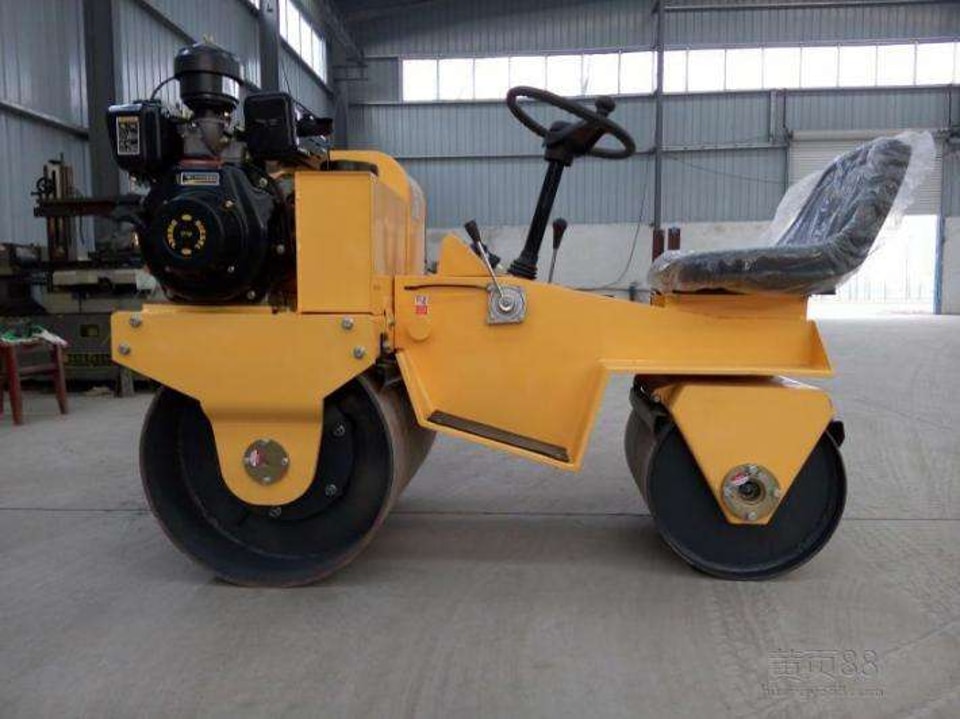
With the wide application of road rollers, its own defects have gradually emerged. The failure rate of road rollers in work is high, which greatly affects the quality of work. Through the analysis of common faults of road rollers, this paper proposes specific solutions to the faults of road rollers. 1. Fuel line air removal method The diesel engine of the road roller stalled due to lack of diesel in the fuel tank during use. After the diesel engine is turned off, although diesel is added to the fuel tank, air has entered the diesel pipeline at this time, and the fuel supply cannot be restored by using the hand pump. In order to remove the air in the diesel pipeline and make the diesel engine start smoothly, we take the following methods: first, find a small basin and hold a certain amount of diesel oil, and place it at a position slightly higher than the diesel pump; secondly, put the fuel tank Remove the diesel pipe connecting the hand oil pump, and remove the diesel oil in this small basin; again, pump the diesel oil with the hand oil pump to remove the air in the low-pressure oil circuit; finally, install the diesel pipe connecting the fuel tank to the hand oil pump. Test machine, the diesel engine starts normally. 2. Solenoid valve damage disposal method If it is difficult to start the diesel engine, it will take a long time to start the diesel engine. We initially thought that it was caused by the poor atomization of the injector, but the inspection of the injector and the fuel injection pump were all good. When I checked the start solenoid valve again, it was found that its solenoid was not attractive. We will remove the starting solenoid valve, and when the fuel valve stem connecting the fuel injection pump and the solenoid valve is pulled by hand, the diesel engine can be started smoothly, which means that the solenoid valve has been damaged. Since the new solenoid valve cannot be purchased in the nearby market temporarily, we use thin copper wire to bind the fuel injection pump stem to prevent it from returning, and thicken the solenoid valve gasket to prevent the fuel injection pump stem hole. Oil leaks from the mouth. After the above treatment, the solenoid valve is reassembled, and the roller is put into use. After purchasing a new start solenoid valve, it can be replaced. 3. Deformation repair method of front wheel support When the static pressure road roller failed to start, in order to start the road roller, a loader was used on site to push and start the road roller. As a result, the frame supporting the front wheel of the road roller was deformed, and the welding part of the shaft sleeve matched with the front fork and the vertical shaft was dislocated. , the roller cannot be used. Usually, to repair this fault, the front wheel frame, vertical shaft and front fork must be disassembled, but such repairs are time-consuming and laborious. To this end, we have adopted the following simple recovery method: first, adjust the front wheel to the forward direction; secondly, cushion the front wheel, the front wheel frame and the front fork beam with wood, so that it can move forward when turning the steering wheel. The wheel does not rotate; again, turn the steering wheel, remember the total number of turns of the steering wheel, turn to the limit position and then turn back half of the total number of turns, the misaligned front fork and the shaft sleeve matched with the vertical shaft can return to the correct position; then , Remove the 14 fixing bolts on both sides of the front wheel frame, use the jack to lift the front wheel frame about 400mm to make it away from the front wheel axle; finally, use electric welding to weld the vertical shaft bushing firmly, loosen the jack, and drop the front Wheel fork, install the front wheel frame and the front wheel axle. In this way, only one person can adjust the deformation of the front wheel frame in place. 4. Repair method for poor positioning of gear lever The locating pin of the shifting lever equipped with the static calendering roller is easy to fall out or be cut off, thus causing the shifting lever to be unable to be positioned. The locating pin is 4mm in diameter and is used to prevent the gear lever from turning. In order to solve this problem, we take the following methods: first, expand the diameter of the pin hole of the shift lever to 5mm, and tap the M6 internal thread; secondly, modify the width of the pin slot of the shift lever to 6mm; finally, configure 1 M6 screw and 1 For M6 nut only, screw the screw into the seat pin hole, back it half a turn, and then tighten the nut. 5. The solution to the oil leakage of the sealing ring The vibrating valve of the vibratory roller leaked oil. After the Y-shaped sealing ring was replaced, the oil leaked after a short period of use. The inspection found that after long-term use of the vibration valve, the wear between the upper cover of the valve core and the valve core was serious. In order to solve this problem, we adopt the method of adding O-shaped or flat-shaped sealing ring, that is, adding O-shaped or flat-shaped sealing ring to the groove of Y-shaped sealing ring. There is no oil leakage phenomenon after the vibration valve is installed with a sealing ring, which proves that the method achieves good results.
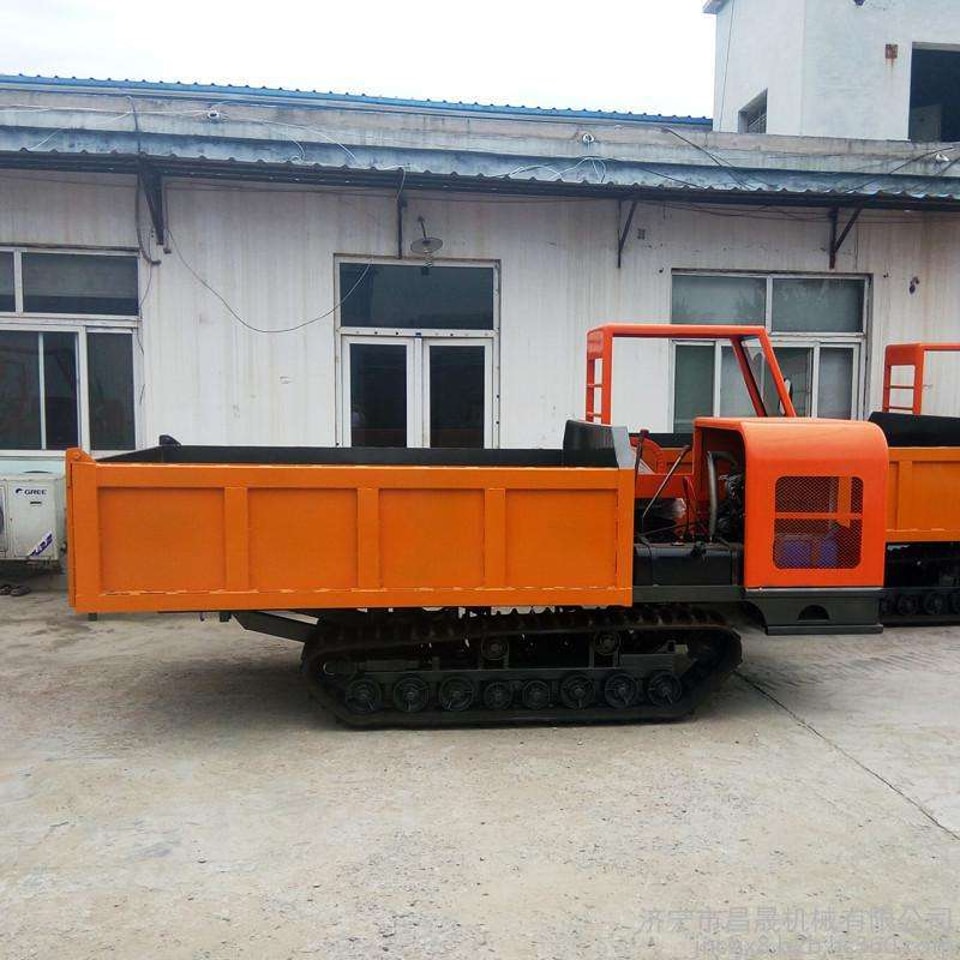
At present, there are more and more crawler transport vehicles using closed hydrostatic double-track drive in China, especially in crawler bulldozers, crawler tractors, and transport-type crawler transport vehicles. The following advantages: It is beneficial to isolate the impact of the ground on the engine; it can meet the higher traveling speed of the vehicle; it can realize stepless speed change to meet the requirements of users for different operating speeds; start stable and meet the needs of special working conditions; eliminate complex machinery The transmission system reduces the weight of the whole machine; the hydraulic components are highly versatile, and the main engine is easy to be modified. On high-power, large-scale dual-track drive vehicles, the advantages of using closed system hydrostatic drive are more obvious. Although the hydraulic system requires high pressure and large flow, hydraulic components, hydraulic accessories, oil tanks and open hydraulic systems of the same power In comparison, the volume is small, which is conducive to the layout of the host. The following is some information summarized by the author based on years of experience in hydrostatic transmission design for reference by colleagues. 1 System composition At present, under normal circumstances, the hydrostatic double-track drive of a closed system is composed of a hydraulic or electronically controlled variable pump and a fixed motor. In order to meet the requirements of different operating speeds and traction forces, a stepped variable motor is sometimes required. Figure 1 shows the basic structure of a closed-system hydrostatic double-track drive transmission system, which is composed of pilot handles, pumps, motors, reducers and other components. 2 Matching of pilot handle and variable pump 设计当中,泵的排量—压力 (电压)控制曲线以及先导油路或者电路调压曲线的选配非常关键 。全液压双轨驱动车辆驱动油泵的压力控制曲线死区稍大些较好,可减少先导手柄不正常晃动引起泵的误动作,利于提高整机的直线行驶性;斜率越大越好,有利于降低转向灵敏度,控制泵在小排量时转向, 降低转向速度,转向时,需克服的惯性阻力也小,不易导致发动机熄火 。一般情况下, 先导手柄的调压曲线两种。在作配套设计时, 先导手柄的调压曲线越过死区时起始压力 (电压 )点 要低于泵死区排量对应的最大压力 (电压 )(f点 ), 利于主机起步平稳, 可 0公里起步。先导供油压力 (供电电压 )要高于泵最大排量对应的压力 (电压 ), 可最大限度控制油泵排量的无级变化, 一般情况下, 液控时 ,供油压力要高于泵最大排量对应的压力 5 ×10⁵Pa左右 ,利于减少由于手柄在高速行车过程中抖动造成主机车速不稳 。控制油泵排量无级变化对应的手柄行程越大越好 ,如图 2所示, 控制曲线Ⅲ与控制曲线 Ⅱ相比, 使用控制曲线 Ⅲ利于扩大控制油泵排量无级变化对应的手柄行程(nj段 >mi段),但受手柄操作行程限制。比例曲线段斜率越小越好 ,曲线Ⅲ与曲线Ⅱ相比 ,在同样的操作行程Δs下 ,曲线Ⅱ的油泵排量的变化大于曲线Ⅲ (Δq2 3 Determination of system pressure For closed-type hydrostatic dual-track drive vehicles, under normal circumstances, when the steering resistance is overcome, the corresponding pressure is the largest, and this pressure can be used as the set pressure of the system. However, in determining the system pressure, in addition to the requirements of the overcome steering resistance for the system, it is also necessary to comprehensively consider the current hydraulic components and hydraulic accessories can achieve performance indicators, as well as factors such as the operating conditions and cost of the main engine. 4 Confirmation of the motor The use of two-speed motors is necessary to meet the requirements of vehicle speed and maximum traction, and to improve the efficiency of the hydraulic system. In addition, high-speed motors and low-speed high-torque motors should also be used differently. High-speed motors can be small in size and can be built-in. Or the scheme integrated with the reducer, the best way is to hide them in the track, which will help improve the driving performance of the main engine. The low-speed and high-torque motor has a large volume. To improve the passability of the whole machine, the motor should be set higher than the center of the driving wheel. Keep away from the ground. 5 Determination of oil pump The oil pump should use a higher calculated speed as much as possible, preferably close to the rated speed of the oil pump, so that even if the engine is in an idling supply condition, the circuit system composed of the oil pump and the motor has a higher transmission efficiency. To determine the maximum displacement of the oil pump, it is usually appropriate to use the first gear with the smaller displacement of the two-speed motor to determine the displacement of the pump. It can reduce the supporting power and help improve the transmission efficiency of the system. 6 Special attention should be paid to the following issues in the selection of hydraulic accessories for closed hydraulic systems: 1) The suction pipe should be as short as possible, with a large inner diameter, so that it is not easy to deflate, and only a thicker suction filter can be added to the suction line. If the space is arranged Allowed, try to use a high-level hydraulic oil tank to make the oil level of the hydraulic oil tank higher than the oil suction port of the oil pump to improve the oil suction condition of the oil pump. When connecting the oil suction pipe, pay special attention to the leakage of the oil pipe, otherwise it will cause the vehicle to shake , Poor straight-line travel, pump, motor damage and other failures. 2) The inner diameter of the drain pipeline of the pump and motor should be as large as possible, and a separate DC return tank is required. No oil filter is added to the drain pipeline to minimize the oil drain resistance to prevent the pump and motor shaft seals from being washed away. The hydraulic system and the connected transmission components string oil, causing the hydraulic oil to be lost and contaminated, and even more serious system failures.
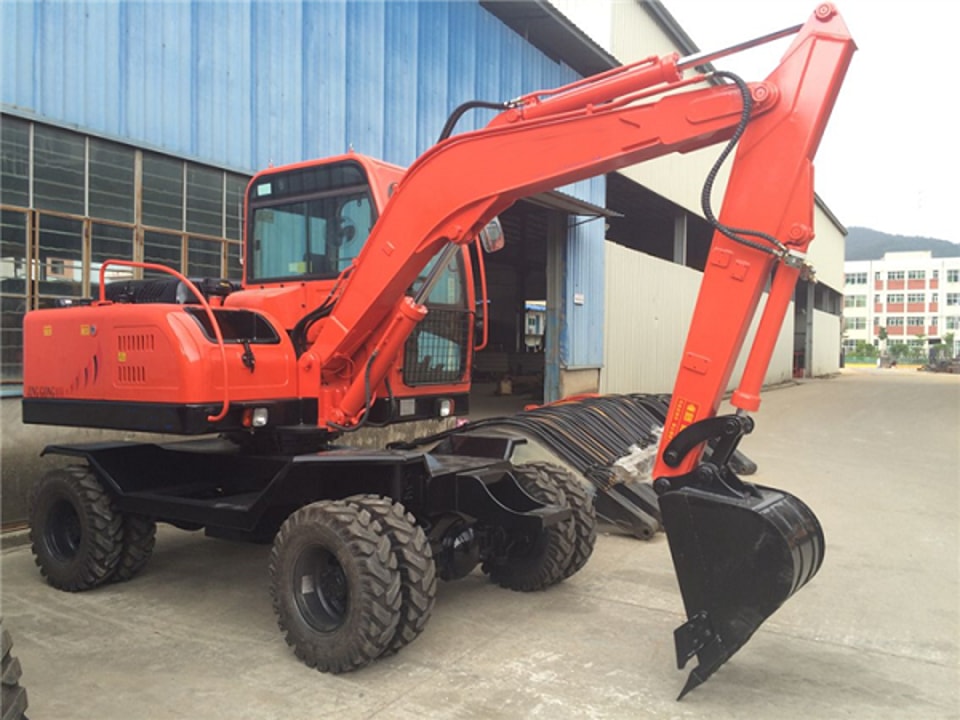
1. Operation technology First of all, we must confirm the surrounding conditions. When slewing operations, be aware of the surrounding obstacles and terrain, and operate safely; when operating, confirm the front and rear direction of the crawler to avoid tipping or impact; try not to face the final drive in the direction of the excavation, otherwise it will be easy to damage the walking Motor or hose; during operation, ensure that the left and right crawlers are in full contact with the ground to improve the dynamic stability of the whole machine. 2. Effective mining methods When the bucket cylinder and the connecting rod, the stick cylinder and the stick are at 90 degrees to each other, the digging force is the largest; when the bucket teeth and the ground maintain a 30-degree angle, the digging force is the least resistance to earth cutting; use the stick to dig At the same time, you should ensure that the stick angle range is from 45 degrees in the front to 30 degrees in the back. The use of boom and bucket at the same time can improve the efficiency of excavation. Three, dig the rocks Excavating rocks with buckets will cause great damage to the machine and should be avoided; when digging is necessary, the position of the machine body should be adjusted according to the direction of the cracks of the rock, so that the bucket can be shoveled in smoothly for excavation; insert the bucket teeth into the cracks of the rock In digging, use the digging force of the stick and bucket (pay attention to the slippage of the bucket teeth); the rock that is not broken should be broken first and then the bucket should be used for digging. 4. Slope leveling operations When performing plane trimming, the machine should be placed on the ground to prevent the machine body from shaking. It is necessary to grasp the coordination of the action of the boom and the stick, and controlling the speed of the two is important for plane trimming. It is difficult to accurately control, thereby prolonging the operation cycle time; the body and the truck should be kept at a proper distance to prevent the tail of the body from colliding with the truck when making a 180-degree turn; try to install it with a left turn, so that the field of view is wide and the work efficiency is high. Correctly grasp the rotation angle to reduce the time for turning; the truck position is lower than the small excavator to shorten the boom lifting time, and the line of sight is good; first load sand, gravel, and then place big rocks, which can reduce The impact on the car box. 5. Working in soft areas or in water 在软土地带作业时,应了解土壤松实程度,并注意限制铲斗的挖掘范围,防止滑坡、塌方等事故发生以及车体沉陷较深。 在水中作业时,应注意车体容许的水深范围(水面应在托链轮中心以下);如果水平面较高,回转支承内部将因水的进入导致润滑不良,发动机风扇叶片受水击打导致折损,电器线路元件由于水的侵入发生短路或断路。 六、 吊装作业 作用液压小型挖掘机进行吊装操作进,应确认吊装现场周围状况,使用高强度的吊勾和钢丝绳,吊装时要尽量使用专用的吊装装置;作业方式应选择微操作模式,动作要缓慢平衡;吊绳长短适当,过长会使吊物摆动较大而难以精确控制;要正确调整铲斗位置,以防止钢线绳滑脱;施工人员尽量不要靠近吊装物,以防止因操作不当发生危险。 七、 平稳的操作方法 作业时,机器的稳定性不仅能提高工作效率,延长机器寿命,而且能确保操作安全(把机器放在较平坦的地面上);驱动链轮在后侧比在前侧的稳定性好,且能够防止终传动遭受外力撞击;履带在地面上的轴距总是大于轮距,所以朝前工作稳定性好,要尽量避免侧向操作;要保持挖掘点靠近机器,以提高稳定性和小型挖掘机;假如挖掘点远离机器,造成因重心前移,作业就不稳定;侧向挖掘比正向挖掘稳定性差,如果挖掘点远离机体中心,机器会更加不稳定,因此挖掘点与机体中心应保持合适的距离,以使操作平衡、高效。 八、 值得注意的操作 液压缸内部装有缓冲装置,能够在靠近行程末端逐渐释放背压;如果在到达行程末端后受到冲击载荷,活塞将直接碰到缸头或缸底,容易造成事故,因此到行程末端时应尽量留有余隙。利用回转动作进行推土作业将引起铲斗和工作装置的不正常受力,造成扭曲或焊缝开裂,甚至销轴折断,应尽量避免此种操作。利用机体重量进行挖掘会造成回转支承不正常受力状态,同时会对底盘产生较强的振动和冲击,因此应用利液压缸或液压管路产生较大的破坏。在装卸岩石等较重物料时,应靠近卡车车厢底部卸料,或先装载泥土,然后装载岩石,禁止高空卸载,以减小对卡车的撞击破坏。履带陷入泥中较深时,在铲斗下垫一块木板,利用铲斗的底端支起履带,然后在履带下垫上木板,将机器驶出。 九、 正确的行走操作 小型挖掘机行走时,应尽量收起工作装置并靠近机体中心,以保持稳定性;把终传动放在后面以保护终传动。要尽可能地避免驶过树桩和岩石等障碍物,防止履带扭曲;若必须驶过障碍物时,应确保履带中心在障碍物上。过土墩时,就始终用工作装置支撑住底盘,以防止车体剧烈晃动甚至翻倾。 应避免长时间停在陡坡上怠速运转发动机,否则会因油位角度的改变而导致润滑不良。机器长距离行走,会使支重轮及终传动内部因长时间回转产生高温,机油粘度下降和润滑不良,因此应经常停机冷却降温,延长下部机体的寿命。禁止靠行走的驱动力进行挖土作业,否则过大的负荷将会导致终传动、履带等下车部件的早期磨损或破坏。上坡行走时,应当驱动轮在后,以增加触地履带的附着力。下坡行走时,应当驱动轮在前,使上部履带绷紧,以防止停车时车体在重力作用下向前滑移而引起危险。在斜坡上行走时,工作装置应置于前方以确保安全,停车后,把铲斗轻轻地插入地面,并在履带下放上挡块。在陡坡行走转弯时,应将速度放慢,左转时向后转动左履带,右转时向后转动右履带,这亲可以降低在斜坡上转弯时的危险。 十、 正确的破碎作业 First, place the hammer head vertically on the object to be broken. When starting the crushing operation, raise the front car body about 5cm. When crushing, the crushing head should always be pressed on the crushed material. The crushing operation should be stopped immediately after the unbroken material has been crushed. When crushing, because the vibration will gradually change the direction of the hammer head, the bucket cylinder should be adjusted at any time to make the direction of the hammer head perpendicular to the surface of the crushed object. When the hammer cannot penetrate the broken object, change the crushing position; do not continue to break at the following place for more than one minute, otherwise not only the hammer will be damaged, but the oil temperature will rise abnormally; for hard objects, they should be gradually broken from the edge . It is strictly forbidden to break while turning, twist the hammer head after insertion, use the hydraulic hammer horizontally or upward, and use the hydraulic hammer as a chisel.
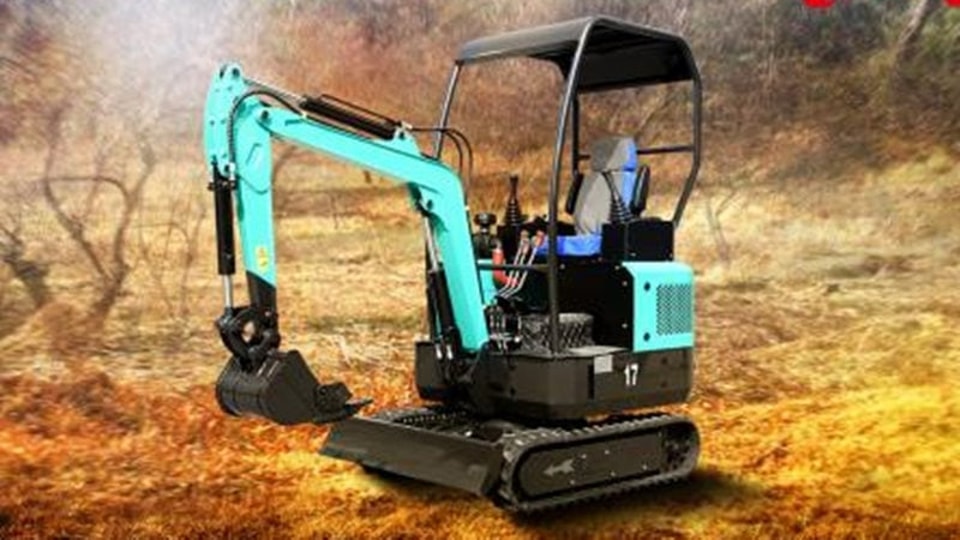
Why Air Filter Maintenance Matters More Than You Think Your excavator's engine pulls in a lot of air – and a lot of dust with it. The paper air filter is the only thing standing between that dust and your engine's cylinders. A clogged filter restricts airflow, which makes the engine work harder, burn more fuel, and lose power. In dusty jobsite conditions, that filter can clog up in a matter of days, not weeks. Most operators know they need to clean or replace the filter. The problem is, a lot of them do it wrong – and end up doing more harm than good. Paper Filter Basics – What You're Dealing With Small excavators use paper element air filters – not foam, not oil-bath. The filter media is made of specially treated microporous paper that traps dust particles while letting clean air pass through[reference:2]. The paper is pleated to increase surface area, which means more dust-holding capacity before the filter clogs. That paper is fragile. Poke it, tear it, or hit it too hard, and you've got a hole. That hole lets unfiltered dust straight into the engine – and that's how you wear out piston rings and cylinder walls long before their time. Two Safe Cleaning Methods – And How to Do Each One Right There are only two recommended ways to clean a paper air filter element. Both work, but both have rules you need to follow. Method 1: Tapping Method This is the simplest method and the safest for the filter paper. Remove the filter element from the housing[reference:3]. Hold it by the end cap – not the paper itself – and gently tap the end surface on a clean, flat surface to shake the dust loose[reference:4]. Don't tap it hard. Don't tap it on concrete or metal. And don't touch the outer surface of the filter element – your fingers can leave oils or indentations that weaken the paper[reference:5]. Rotate the filter as you tap to dislodge dust from all sides. When this method works best: Light to moderate dust buildup. If the filter is caked with mud or heavy dust, tapping won't get it clean enough – you'll need compressed air or a replacement. Method 2: Compressed Air Method This method is more effective than tapping, but it's also easier to mess up. Remove the filter element and stand it upright. Direct compressed air from the inside out – that means blow from the clean side toward the dirty side[reference:6]. Blow along the direction of the pleats, not across them, to avoid tearing the paper[reference:7]. Critical rule: The air pressure must not exceed 0.2 to 0.3 MPa (about 30 to 45 PSI)[reference:8]. Higher pressure can punch holes through the paper[reference:9][reference:10]. If you're not sure about your compressor's output, use a regulator or step back and hold the nozzle further away from the filter. When this method works best: Heavy dust buildup that tapping can't shake loose. Still, if the filter is heavily caked, replacement is usually the better call. Two Things You Should Never Do Don't use water or oil. Paper filters absorb moisture. Water makes the paper swell and collapse. Oil clogs the pores permanently[reference:11]. Once a paper filter gets wet or oily, it's done – replace it. Don't use a brush. Brushing the paper can tear the fibers or push dust deeper into the media. If you must remove surface dust, use a soft brush along the pleat direction and only as a last resort[reference:12]. When to Stop Cleaning and Just Replace Cleaning extends the life of a filter, but it doesn't last forever. Replace the filter element if: The paper is torn, creased, or has holes The rubber seal on the end cap is cracked, warped, or missing[reference:13] The filter has been cleaned more than 3-4 times You see dust tracks on the clean side of the housing Most manufacturers recommend replacing the primary air filter every 500-1000 operating hours, or more often in dusty conditions[reference:14]. A new filter costs far less than the engine damage a failed filter can cause. Installation Check – The Seal Is Everything A clean filter does nothing if it's not installed properly. When you reinstall the filter element, make sure the rubber gasket or seal is firmly seated in the housing[reference:15]. If the seal is damaged or missing, replace it[reference:16]. An improper seal lets unfiltered air bypass the filter entirely – and that defeats the whole purpose. After installation, give the housing a quick tap or two to settle the filter, then secure the cover. It's a small step that makes a big difference. Frequently Asked Questions Q: How often should I clean the air filter on my small excavator?A: It depends on your working conditions. In clean environments, every 100-150 hours is usually enough. In dusty jobsites – demolition, dry digging, or construction on dirt – check it daily and clean it as soon as you see visible dust buildup. Don't wait until the engine starts losing power. Q: Can I clean a paper air filter with water if I let it dry completely?A: No. Paper filter media is not designed to get wet. Even if you let it dry, the water can cause the paper fibers to swell and collapse, which reduces filtration efficiency permanently. If a paper filter gets wet, replace it. Q: What happens if I use too much compressed air pressure?A: High-pressure air can tear holes in the paper pleats. Those holes let unfiltered dust straight into the engine. The safe limit is 0.2-0.3 MPa (30-45 PSI). If your compressor puts out more than that, use a regulator or hold the nozzle further away. Q: How do I know if my air filter needs replacing instead of cleaning?A: Look for tears, creases, or holes in the paper. Check the rubber seal on the end cap – if it's cracked or warped, replace it. Also, if you've cleaned it more than 3-4 times, it's time for a new one. Q: Can I use an air filter that's been cleaned with compressed air but still looks dirty?A: If the filter still looks heavily soiled after cleaning, replace it. A filter that's packed with embedded dust won't flow enough air, even if you blow it out. That restriction costs you power and fuel efficiency.

Enquiry about