Product Selection
Shipments, trade shows and practical guides for choosing, running and maintaining compact equipment.
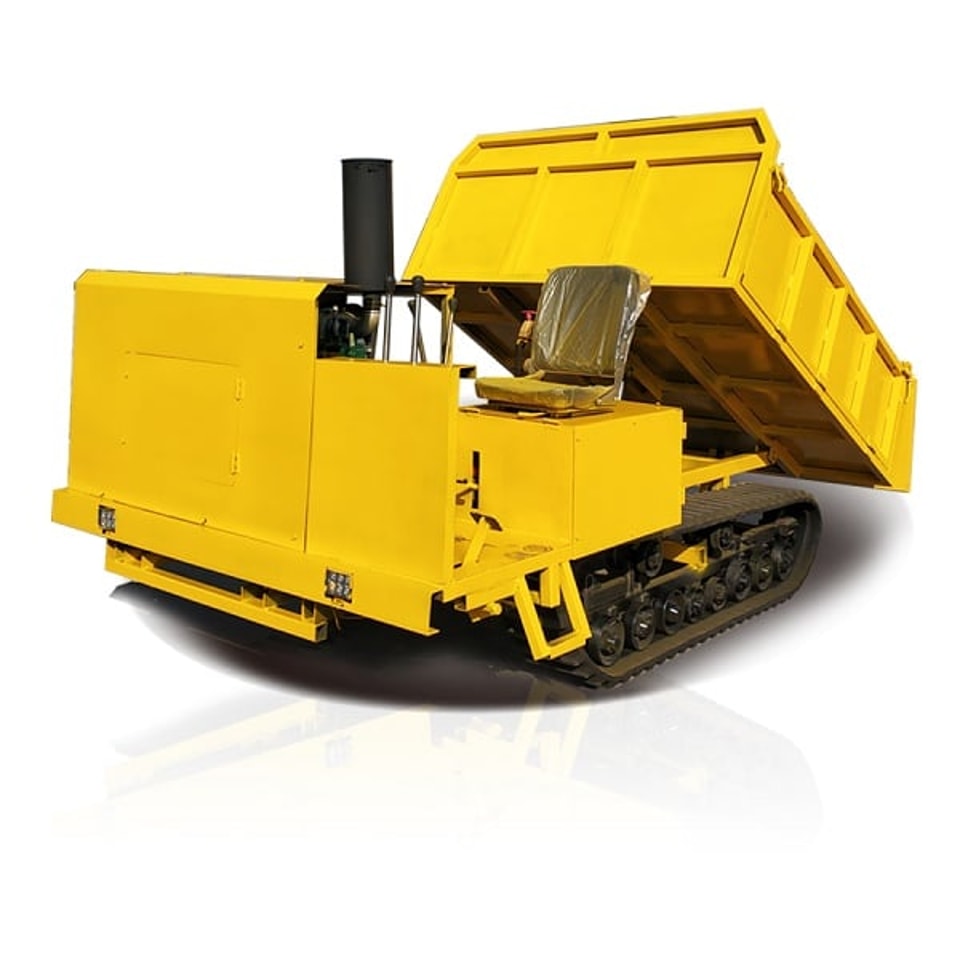
(1) Preparation before starting: ①Comprehensive inspection of the crawler transport vehicle: that is, check the fastening of the fasteners of the diesel engine, turn the decompression handle to decompress the diesel engine or swing the crankshaft, and check whether the moving parts are stuck or abnormal noise; loose Turn on the decompression handle and crank the crankshaft to check whether the cylinder is leaking. The inspection method is: it feels very laborious when turning the crankshaft by hand. ②Check the water in the water tank: add water until the red float head rises to the highest position. If in severe cold winter, slowly add 70~80℃ hot water before starting to preheat the diesel engine. Clean rainwater, snowwater, pond water, river water or lake water that has been precipitated should be used, and dirty or salt-containing water must not be used. ③Inspection of the fuel system of the crawler transport vehicle: whether the fuel in the fuel tank is full; whether the vent on the fuel tank cover is blocked; whether there is oil leakage at the fuel pipes and joints. Loosen the screw on the oil pipe of the fuel injection pump to remove the air in the low-pressure oil circuit; pull up the decompression handle, turn the refueling handle to 1/2 position, swing the crankshaft, and hear the crisp sound of fuel injection. ④ Inspection of the lubrication system of the crawler transporter: pull out the oil dipstick on the crankcase, check the oil storage, the oil trace on the oil dipstick should be between the engraved lines; check whether there are oil leaks in the oil pipes and joints; Raise the decompression handle to turn the crankshaft, and observe whether the oil indicator valve is raised, if it cannot be raised or there is leakage; find the cause and eliminate the fault. ⑥Crawler transport vehicles put the gear lever in the neutral position. (2) Starting steps: ① Pull the speed control handle of the crawler transporter to the start position of "fuel supply".
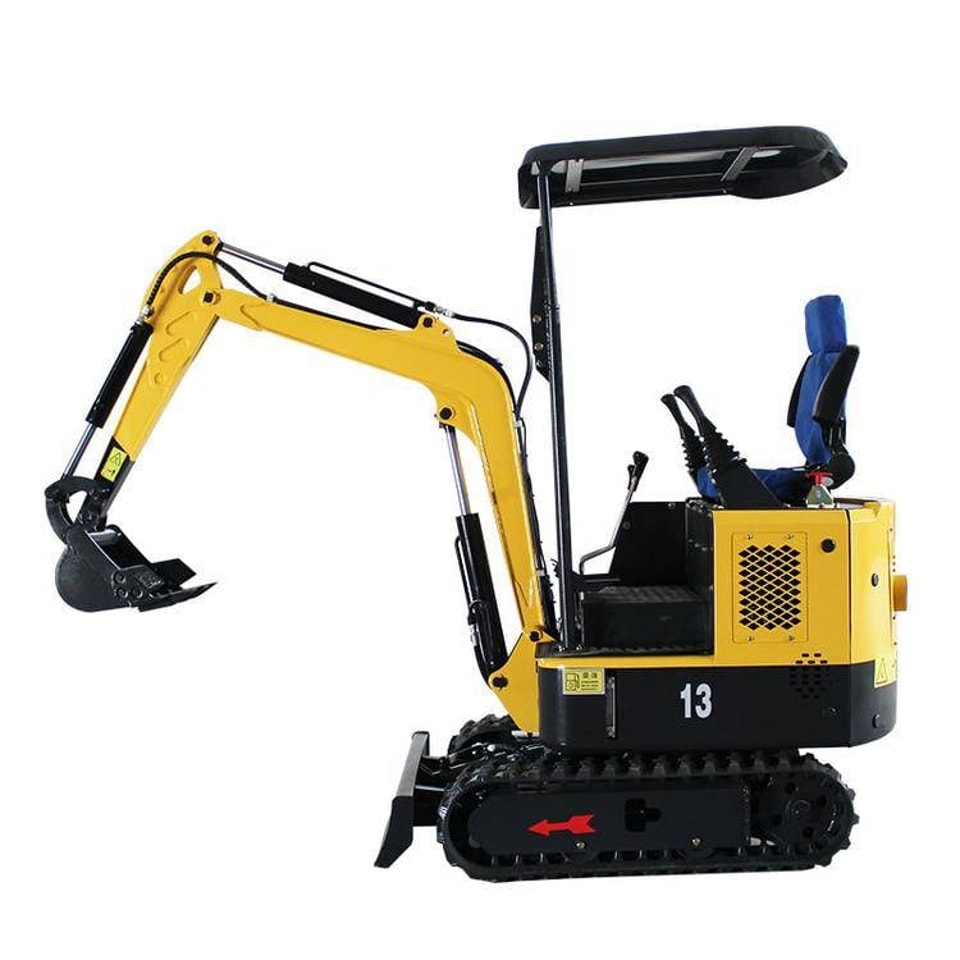
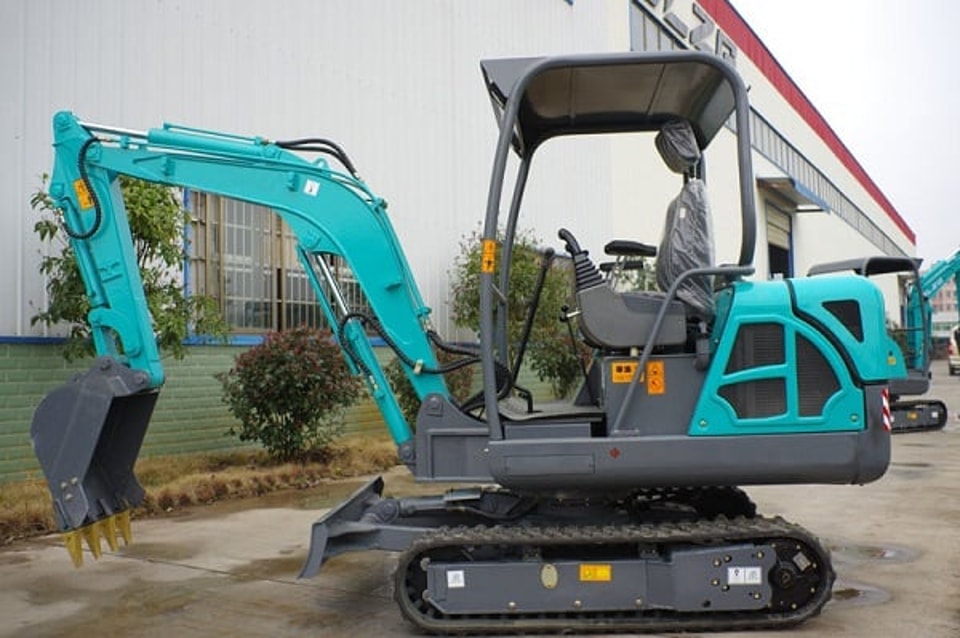
What should you pay attention to when installing the boom and parts of a mini excavator? The following explains the aspects that you must pay attention to when installing the boom and parts of a mini excavator. (1) Put the connecting nut between the boom and the server on it. (2) Next, the mini excavator overhauls and closes the boom cylinder tube, and runs the pipeline when the oil volume in the hydraulic oil filter element rises above the lower limit of the oil volume. (3) The automobile engine and the boom hydraulic cylinder are retractable, and the connecting pin between the boom hydraulic cylinder and the server is inserted into the pin hole according to the crane. Similarly, when a coupling pin is installed between the bucket and the bucket hydraulic cylinder, the oil delivery pipe of the bucket hydraulic cylinder will be opened first. (4) When disassembling and assembling the telescopic boom and arm parts, be sure to use 12# galvanized steel wire rope to fix the end of the boom cylinder and the hydraulic cylinder of the boom cylinder to the corresponding hooks to avoid disassembly and transportation of hydraulic pressure. The cylinder is stretched, bent or damaged. (5) When disassembling and assembling electrical lines and high-pressure oil pipes, mark should be made to prevent incorrect connection during installation. Pins, locks, oil pipes and special screws should be stored safely to prevent confusion and damage. (6) During the whole process of hoisting and transportation, the torque converters of the 2 crawler hydraulic machines should be covered for maintenance to avoid damage due to impact. (7) Encapsulate it in a tarpaulin to protect it from damage. (8) After assembling, carry out maintenance and inspection of the hydraulic excavator. Above are the aspects that must be paid attention to when installing arm parts of micro excavators. If you want to master a large amount of professional knowledge of micro excavators, you are warmly welcome to contact us.
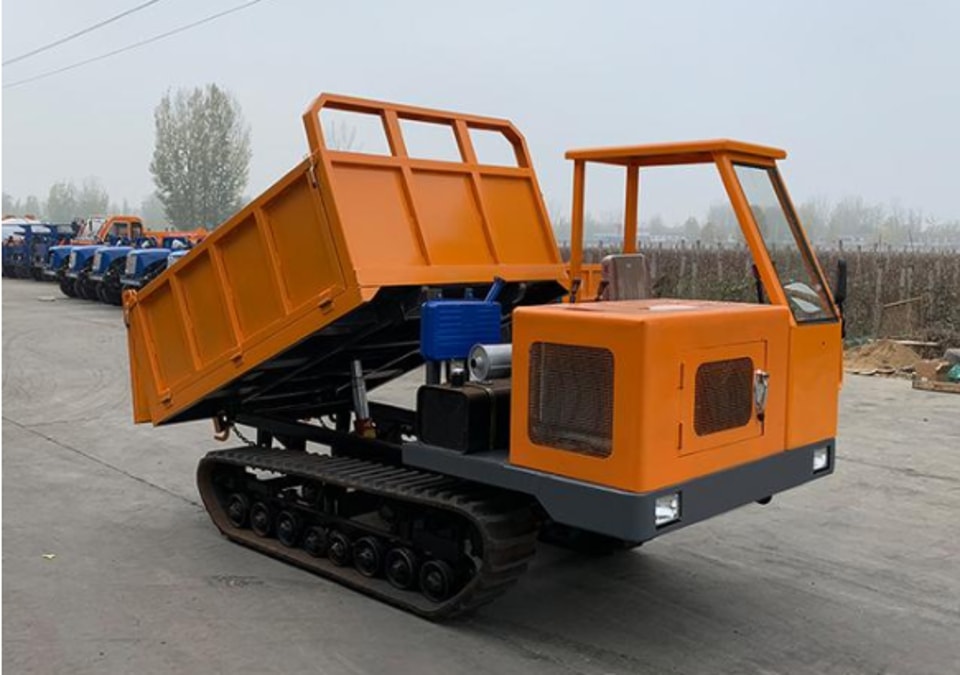
Agricultural crawler transport vehicles have brought us great benefits and saved a lot of manpower, material and financial resources. Therefore, when agricultural crawler transport vehicles are used, we must also pay attention to the maintenance of agricultural crawler transport vehicles. Next, crawler transport The car manufacturers will introduce the winter maintenance knowledge of agricultural crawler transport vehicles. 1. When the temperature is lower than 5℃, it is more difficult to start the engine. At this time, it is necessary to start the engine with some auxiliary mechanical technology. For example, it can heat water or steam to preheat the engine before starting, and the temperature can reach 30℃- Start again when the temperature is above 40°C (diesel engines are usually compression-ignition type, which requires preheating the cylinder temperature and heating the temperature of misty diesel). 2. When the water temperature of the diesel engine is higher than 55℃ and the oil temperature is higher than 45℃, the whole machine can enter the full-load working condition. When the agricultural crawler truck is working normally, the water temperature and oil temperature of the engine should not exceed 95℃. The oil temperature should not exceed 110°C. 3. It is recommended that the engine should not exceed 15 seconds each time. If it cannot be started, the activation switch should be loosened, and the engine should be started after parking for 1 minute. After starting, it needs to be idling for a period of time before resuming and walking. Pay attention, the idling time should not be too long. Long (3-5 minutes), too long will easily form carbon deposits on the inner wall of the cylinder, showing the appearance of pulling the cylinder. If the agricultural crawler transporter is idling, one can charge the battery, and the other can make the water temperature reach 55℃ and the brake air pressure reach above 0.4Mpa. 4. When the temperature is lower than 0℃, after the agricultural crawler truck strikes, discharge the cooling water in the water tank, engine, oil cooler and torque converter oil cooler to avoid freezing and cracking the body; the air storage tank should always be drained. , To avoid icing, causing brake failure. 5. When the temperature is lower than 0℃, check the antifreeze concentration in time, and stop using untreated water as engine coolant. 6. If the agricultural crawler transport vehicle has not been used for more than half a month, it is necessary to start the engine once every 15 days and work for a period of time to charge the battery; if the strike time exceeds one month, please remove the battery and use a charger for charging , And to properly move the four-wheel drive agricultural four-dimension vehicle, change the pressure part of the tire to avoid tire deformation; the vehicle needs to be parked for more than two months, and it is necessary to disconnect or remove the negative battery of the battery.
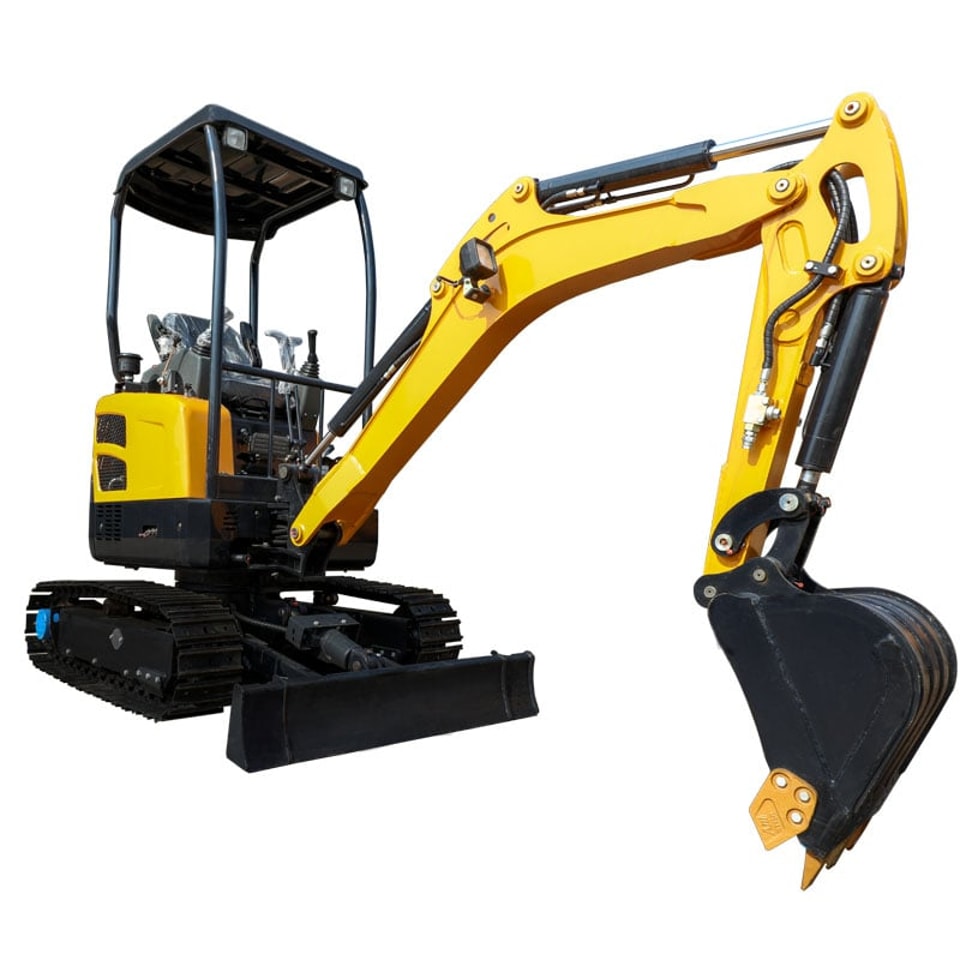
Recently, we have focused on surveys of excavator dealers in East China, South China, and Southwest China. We believe that due to the impact of the epidemic in the short term, industry sales will still fluctuate at the bottom. In the fourth quarter, the seasonal rebound from the previous quarter will increase. The sales of excavators throughout the year will increase by about 10% year-on-year. To 360,000 units. In the medium term, it is expected that the overall sales volume of the industry will remain high and stable in the next 2-3 years, and the concentration of industry leaders will continue to increase. The demand side was still under pressure from July to August, and there was a certain lag in policy transmission. From July to August this year, affected by the rainfall and the epidemic, the industry market did not expect a significant decline, but fluctuated at a low level. In August of this year, southern and eastern China improved this month and last month, while southwestern China maintained a double-digit year-on-year decline.. The impact of the earlier reduction in the RRR and the accelerated issuance of local government special treasury bonds at the end of the project There may be a certain lag. Looking to the future, we expect 4021 industry demand to be "tail", and sales of excavators in 2021 are still expected to maintain a positive growth of about 10%. The growth reached 360,000 units. Price competition has slowed down and commercial terms have become stricter. With the continuous price cuts of small and medium digs in the past two years, it is difficult for dealers to have a "profit effect" in selling small and medium digs; only large digs still have a positive price difference. Although the price increase advocated by the industry association in June has not been finalized, the current terminal sales price of the industry is basically stable; most manufacturers implement a stricter down payment ratio, the payment cycle is generally about 2 years, and risk control is in place. Original equipment manufacturers increase support for distributors. Due to the large price cuts in the early stage, most of the profits contributed by the spreads of excavator dealers are currently limited, mainly relying on the reward and rebate policy after the market share assessment reaches the standard. Since the second quarter, in order to ensure the ecological stability of the upstream and downstream of the industry, OEMs have increased their support to dealers. Distributors are increasing digital capacity building, improving human efficiency and resource conversion efficiency, and further enhancing mid- to long-term competitiveness. Overseas markets provide medium and long-term growth drivers. In June/July 2021, overseas export sales accounted for 26%/29% of the month's sales respectively, and the contribution rate of overseas markets continued to increase. In the medium and long term, we expect that the overseas market share of Chinese companies is expected to continue to grow, and the export sales of Chinese excavators are expected to reach more than 100,000 units to ensure the long-term stability of the industry-long-term demand. The long-term industry will show "weak cycle" characteristics, and the leading share will continue to increase. Distributors generally believe that the excavator industry sales volume may decline slightly in 2022, and will remain relatively stable after that, without the cliff-like decline in 2012-15; among them, industry leaders will continue to rely on digital capacity building and overseas market expansion. The growth trend is stable.
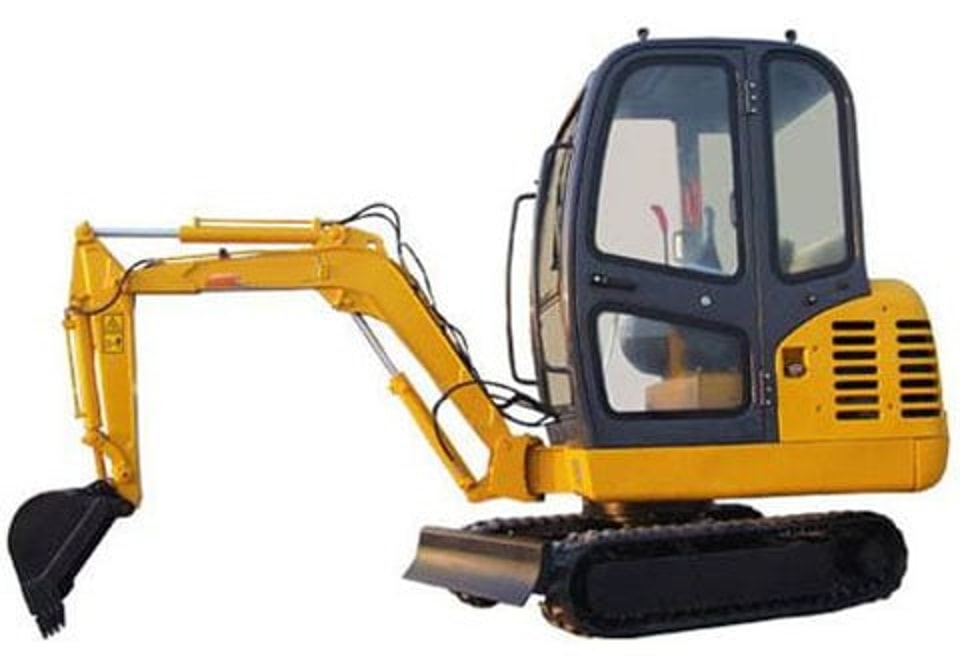
Iron filings are produced in the hydraulic system of small excavators. This is a common phenomenon in some excavators, so let's talk about it. Iron filings were found in the hydraulic system of a small excavator. The tank and pipes must be cleaned quickly, and a strong magnet must be placed in the hydraulic tank. There may be iron filings on the radiator and other places. Even if the radiator is replaced, cleanliness cannot be guaranteed. How to deal with it? I want to install a magnet filter on the front end of the big pump. I don't know if it works? The approximate method to determine the iron filings in the hydraulic system of a small excavator: The manufacturing cylinder is shiny because it does not lose its luster at low speeds. Hair is a pump or motor bearing created by high-speed rotation and passivation. Judging the situation: If it is a relatively large iron filings and is easily found in the fuel tank, then the cylinder may be damaged. If there is no major problem with the filter element of the hydraulic system, the valve and pump itself may not produce iron filings. However, radiators and hard tubes are also possible. Of course, this will only happen when new cars or new parts are replaced. The pressure on the return line is low, and a filter element with higher precision can be selected. If it is not in the fuel tank, it seems that there is no relationship between the magnetic properties. Generally, the flow rate of the hydraulic oil in the pipeline is very high, and it is difficult for general magnets to absorb it. 1. The engine water temperature is very high. After removing the thermostat, the small hole under the thermostat seat blocks the cork to prevent recirculation of hot water. 2. The gear pump separates the sides to form a vacuum as the suction port. The volume on the extrusion side becomes smaller, and pressure is generated as a discharge port. The back of the 3-shaped valve plate always faces the discharge port. The valve plate generates an axial force squeezing the gear under the pressure of the pressurized oil to enhance the seal. It also has the effect of automatically compensating the pressure after wear. 3. The smallest core of the driver's handle is mainly used for micromanipulation. 4. Individual parts are often blocked. Check whether the connecting pipe is caused by internal peeling. 5. The center of the distributor lever spring is thinner than the outer ring, and the outer ring should be the stroke buffer at the end of the stroke. The intermediate sleeve limits the stroke of the rod. 6. Approximate judgment of iron filings: 1. The light is cylindrical, and its luster is not lost due to its low speed. 2. The iron filings are produced by pumps or motor bearings because of high-speed rotation and dullness. 7. The second pilot pressure is normal, but the action is slow. The hammer should consider whether the spool in the pilot handle is dirty to limit its stroke, so that the stroke is reduced (even if the operation is maximum), the pressure is sufficient, but the flow is insufficient. If the force on the valve stem is not enough, the valve stem is not open enough, and the related actions will be very slow. 8. Joint action is slow or motionless. The relevant pilot secondary pressure is lower than 20KG.
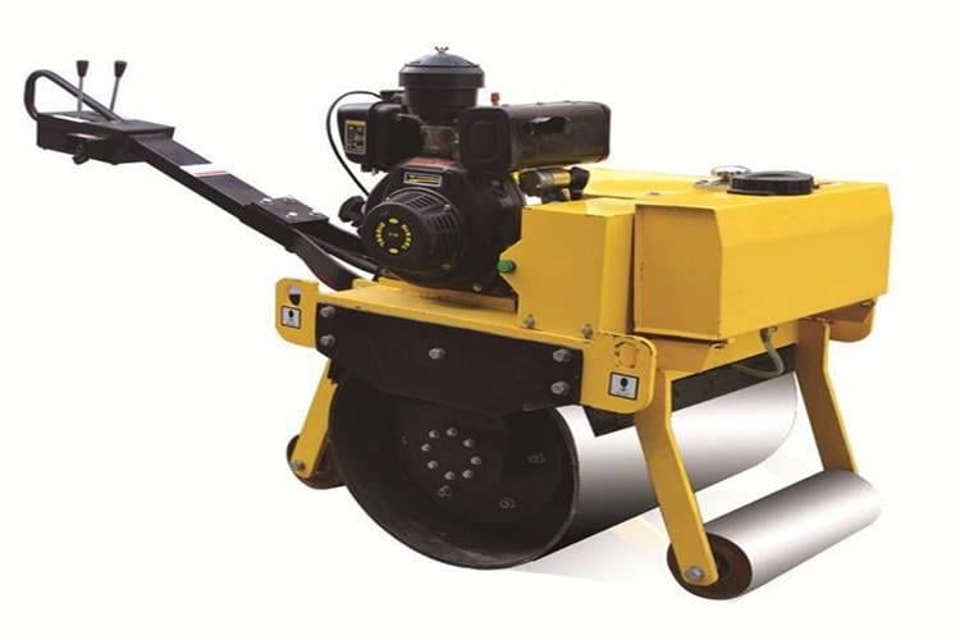
In use, small rollers often fail to start due to some reasons. Inability to start refers to the difficulty of starting the engine in the process of starting the engine of the small roller, which causes difficulty in starting the engine and does not ignite. In the process of construction and use, the progress is particularly affected, and it will cause a lot of investment losses. The incorrect use method will also consume the life of the body. So how to solve the problem of difficulty in starting? Let me explain it in detail below. The main reasons that affect the start-up difficulty and slow walking of small rollers are as follows: ►Oil, when the temperature exceeds minus 10℃, it is recommended to replace the 10w-30 oil, because 30 oil will be thinner and not too viscous, it can increase the engine cold start speed, so that the engine can be ignited smoothly. Some people are worried to ask: Will the engine life be affected by the thinning of the engine oil, or will the engine be damaged? The answer is no. The engine oil pressure has nothing to do with the viscosity of the engine oil. Many people I mistakenly think that if the oil is thicker, the oil pressure is good, and it is good for the engine. If the oil is thin, the engine oil pressure will be low, which will damage the engine. In fact, this is a big misunderstanding. As long as it is genuine oil, there is no organic oil. The level of pressure will be related to the viscosity of the oil. Engine oil, just like the blood of the human body, is very important! So at any time, it is recommended that you use the authentic engine oil that meets the season correctly in different seasons. Protect and extend the life of the engine. ►Starter. Before the winter comes, the starter must be maintained. Replace the cover, carbon brushes and some worn-out things. Clean the rotor. Because the weather is cold and the engine oil is thicker when the car is cold, the starter The workload is much higher than in the warm season. Maybe it’s okay to use it in normal times, but it won’t work in winter. Take care of it and spend a small amount of money to ensure that the starter can exert better power and help you get started! ►Battery (that is, battery). The battery voltage is insufficient. In the cold winter weather, the energy of the battery is not completely volatilized. Therefore, every winter is a better time for the battery to sell. Of course, if you have the conditions, Drivers, friends may wish to find a thick quilt to wrap the battery or make a simple insulation measure. Although it may not be effective, at least it can extend the battery life. If you are not too troublesome, you can remove the battery and put it in. In a warm room, it is better to install it when you use it, but now most people still choose to directly replace the battery with a new one.
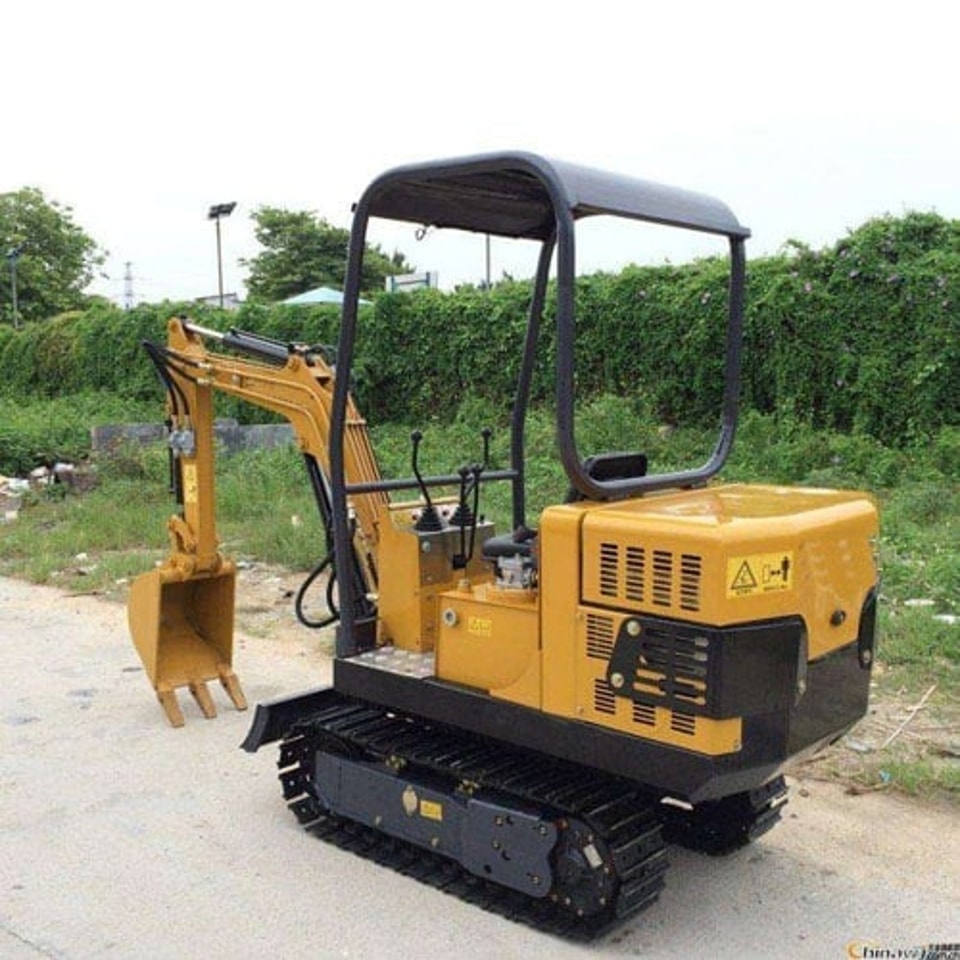
1. Rubber track and chassis The rubber track on the small excavator is different from the steel track on the large machine, and it is suitable for grass and driveway. Many times, users will not check the wear of the rubber track at close range, just like steel rails. As a result, only the wear of the rubber track is observed, and there is not much wear on the sprockets and idlers, the use of cracks and edge wear on the rubber track can be estimated, and I like to look at the tire when the tire is worn. The same pattern. Due to the different usage and soil conditions, the service life of the rubber track is also very different. Generally speaking, its average life span is about 2,000 hours. However, if you work in a rocky or abrasion-prone environment, the service life will be halved. On the contrary, in a better environment, the working life will be doubled. When the user checks the track and chassis, don't forget to drive again to check the oil level and cleanliness. This part is easily overlooked and usually leaves very little oil. If the oil level is already low and there is water or other things, it will cause more trouble. 2. Be wary of welding on the body Carefully observe the cracks on the excavator and the weld traces left by the original manufacturing. These things indicate that the machine has been overused. Another good method is to use a straight plate on the back arm and stick it to see if there is any misalignment or deformation. Pay special attention to additional steel plate repairs. There may be some scratches and dents on the phone, but if there are too many patches on the machine, it may mean that the device has been used for a long time.
Acoustic imaging technology is a method of reconstructing the sound source image using the measured sound field information. If the acoustic imaging map is fused with the real object image, a graph of the noise state of the measured object is formed that can be visually analyzed. The color and brightness on the image represent the strength of the regional noise. Therefore, the acoustic imaging is a preliminary judgment of the noise source. A convenient way. The sound field information measurement in acoustic imaging technology mainly includes two methods: sound intensity measurement and microphone array measurement. The sound intensity measurement method is to first measure the sound intensity level of each point on a closed surface, and then obtain the sound power from the sound intensity level. Since the sound intensity is a vector, the measured value is mainly affected by the sound source perpendicular to the plane of the test probe. Therefore, it can effectively eliminate the interference of background noise and surrounding sound sources in the near-field measurement, and can ensure high sound test quality. The microphone array is a system composed of a set of microphones placed in a certain geometric structure. It can receive signals from different spatial directions at the same time. By comparing the phase difference of the noise signal to each microphone, the position of the sound source is determined according to the phased array principle. . The microphone array has the functions of filtering and denoising, sound source localization, etc., which greatly improves the quality of sound signal processing and the accuracy of sound source localization. At the same time, the multi-channel recording mode of the sound array provides for further processing of noise signals (such as noise signal separation) Condition.
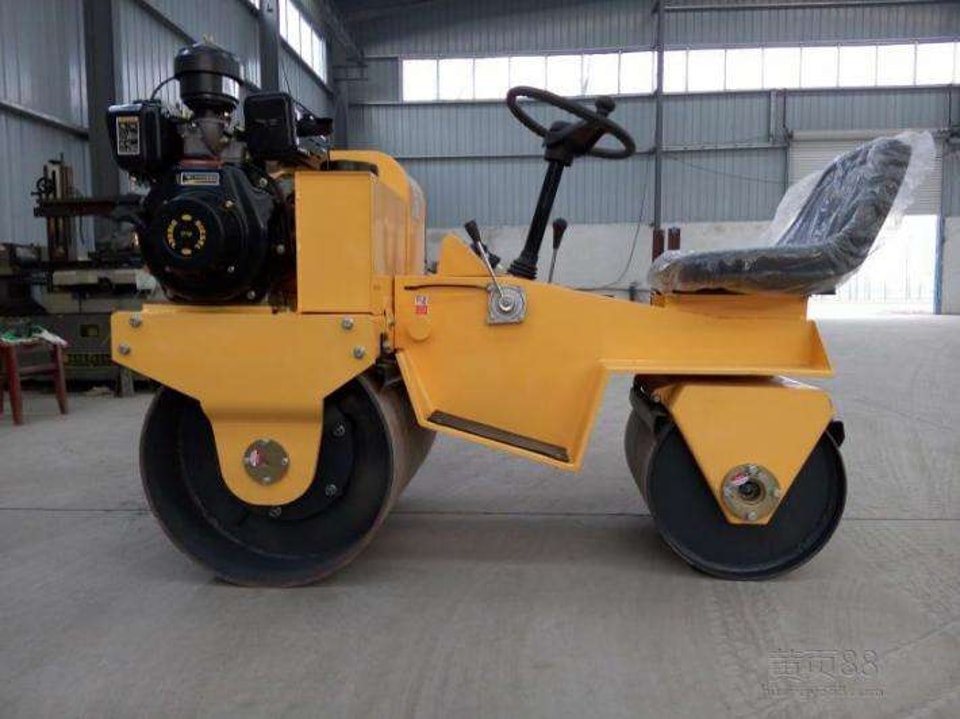
Small Roller Transmission Maintenance – A Practical Guide for Operators If you own or operate a small vibratory roller, the transmission system is one of the most critical components to maintain. Skip the routine checks, and you're looking at costly repairs and unplanned downtime. This guide walks you through the essential maintenance and oil change procedures – in plain language, no jargon. Why Transmission Maintenance Matters The transmission system transfers power from the engine to the wheels and drum. It works under heavy loads, in dusty conditions, and often in high temperatures. Over time, oil degrades, contaminants build up, and seals wear out. Regular maintenance keeps everything running smoothly and prevents sudden breakdowns on the job site. Most transmission failures in small rollers are preventable. A few minutes of routine checks can save you thousands in repair costs. Before You Start: Key Principles Whether you're checking oil levels or doing a full oil change, follow these basic rules: Check oil when the machine is stopped. Running components splash oil around, giving you a false reading. Always check with the engine off and the machine on level ground. Warm up the oil before draining. Run the roller for a few minutes to heat the transmission oil. Hot oil flows faster and carries out more contaminants. Turn off the engine before changing oil. If you need to work underneath, block the wheels with chocks for safety. Keep everything clean. Wipe down the area around the oil plug before removing it. Dirt that falls into the system becomes abrasive. Clean the plug before reinstalling. Any debris on the plug will contaminate the new oil. Fixed Transmission Components – Oil Level Check & Oil Change Fixed transmission parts include the transfer case, gearbox, and drive axle center drive. These components have a drain plug at the bottom (often magnetic) and an oil level hole or dipstick on the side. How to Check Oil Level Park the roller on level ground with the engine off. Remove the oil level plug or check the dipstick. Oil should be at the marked level or just reaching the bottom edge of the level hole. If low, add oil through the fill port until it reaches the correct level. How to Change the Oil Run the roller briefly to warm the oil, then shut off the engine. Remove the fill cap or level plug first, then the drain plug. Let the old oil drain completely into a suitable container. Clean the magnetic drain plug (remove any metal shavings). Reinstall the drain plug securely. Fill with fresh oil through the fill port until it reaches the level hole or dipstick mark. Reinstall the level plug and fill cap. Run the machine and check for leaks. Rotating Housing Components – Oil Check & Change Rotating components include the axle planetary reducers and the vibratory exciter oil chamber. Because these housings rotate, the procedure is different. How to Check Oil Level Rotate the housing until the fill port is at the highest position. Open the fill port and check if oil reaches the edge. If low, add oil through the fill port until it reaches the level hole. How to Change the Oil Rotate the housing so the drain port is at the lowest position. Remove the drain plug and let the oil drain completely. Clean the plug and reinstall it. Rotate the housing so the fill port is at the top. Fill with fresh oil until it reaches the level hole. Side Drive & Chain Maintenance The side drive chain is the final drive component for many small rollers. It handles heavy loads and takes冲击 from starting and braking. Lubricate before each shift. Use an oil can to apply oil to the gears before starting the roller. Clean weekly. Remove dust and debris from the chain and gears at least once a week. Inspect regularly. Check for wear, stretching, or damage. Replace if necessary. Recommended Oil Types Component Recommended Oil Change Interval Transmission / Gearbox SAE 90 gear oil Every 3 months (clean with kerosene first) Vibratory Drum SAE 30 diesel engine oil (CD grade) Every 1000 hours Hydraulic System Anti-wear hydraulic oil ISO VG 68 Every 6 months Walking Bearings Calcium-based grease Every 20 days Frequently Asked Questions How often should I change the transmission oil in my small roller? The transmission should be cleaned and oil changed at least once every quarter (every 3 months). Always do this with the oil warm – run the machine for a few minutes before draining. What oil should I use for the transmission? Use SAE 90 gear oil for the transmission. The vibratory drum uses SAE 30 diesel engine oil (CD grade), and the hydraulic system uses anti-wear hydraulic oil ISO VG 68. Check your machine's manual to confirm. Why does the oil need to be warm before draining? Warm oil flows more easily and carries more suspended contaminants out of the system. Cold oil is thicker and leaves sludge and debris behind. What's the most common mistake in transmission maintenance? Not cleaning the area around the oil plug before removing it. Dirt and debris can fall into the open port and contaminate the new oil, causing premature wear. Can I just top up the oil instead of changing it? Topping up is fine between changes, but it doesn't replace a full oil change. Over time, oil breaks down and accumulates contaminants. Regular full changes are essential for long-term reliability. Need a Small Roller or Replacement Parts? If you're in the market for a new small vibratory roller or need maintenance parts, we can help. Browse our road roller lineup or contact us with your questions. 📧 Email: info009@hightopgroup.com📞 WhatsApp: +86 181 6205 2962

Enquiry about