Product Selection
Shipments, trade shows and practical guides for choosing, running and maintaining compact equipment.
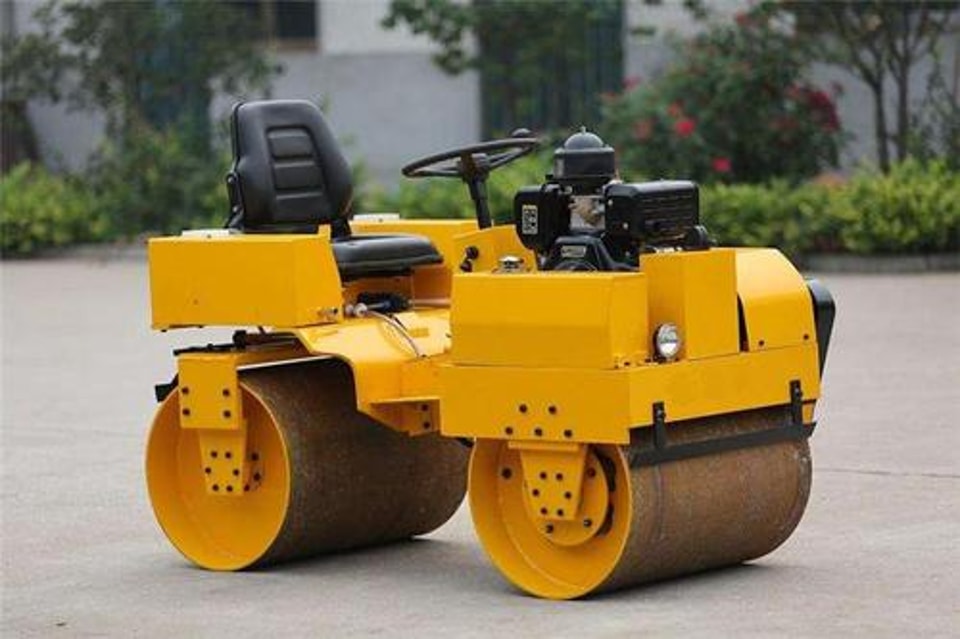
Small rollers are simple to operate and easy to use. They are easier to operate than large rollers, and they can also complete tasks that large rollers can’t. That said, you still need to master some operating procedures in use. If you don’t know this well, then Let's take a look at the article. I believe this article will bring you a different visual impact. Let's take a look at the article below. Looking forward to your reading, thank you for your attention. 1. The operating procedures of small rollers: 1. When the roller is used for the first time, because the parts are new and the surface is rough, it cannot be operated for a long time. 2. The operator should read the manual in advance to understand the performance and structure of the roller when using the roller for the first time. 3. Since the parts are just assembled, they have not been put into use normally. Once it is affected by impact or heat during use, it is easy to loosen the originally tight parts. 4. Before starting construction, check whether there are obstacles or unrelated personnel around the machine. 5. When two rollers are working at the same time, keep a distance of 3 meters between them. In order to avoid collisions and accidents. 6. The roller cannot be placed on a slope when it is parked. If it needs to be placed on a slope, the wooden stakes must be built to prevent it from slipping off. 7. Do not repair during use. If any malfunction is found, stop immediately and check the cause of the malfunction. If it cannot be resolved, call the manufacturer in time for repair. 8. Do not use road rollers to drag other machinery or objects. The roller must be used in accordance with the correct operating procedures, so that the roller can work better and have a longer service life. 2. Advantages and characteristics of small rollers: 1. The extra-large water tank reduces the trouble of refilling water back and forth, and increases the continuous working time of the equipment. 2. Vertical vibration, large excitation force and high compaction efficiency. 3. There is an automatic compression polyurethane automatic cleaning scraper on the steel wheel to prevent soil and asphalt from accumulating on the steel wheel and make the compaction smoother. The adjustable and foldable operating handle brings a comfortable operating environment to the operator, and is convenient for transportation or storage after folding. This section gives you a brief introduction to the operating procedures of small rollers, but due to the limited number of words in the article, I can only share it with you. If you have other questions to understand, then you can continue to pay attention to our website, because Our website will be updated in the future, and we suggest that you pay attention to it patiently.
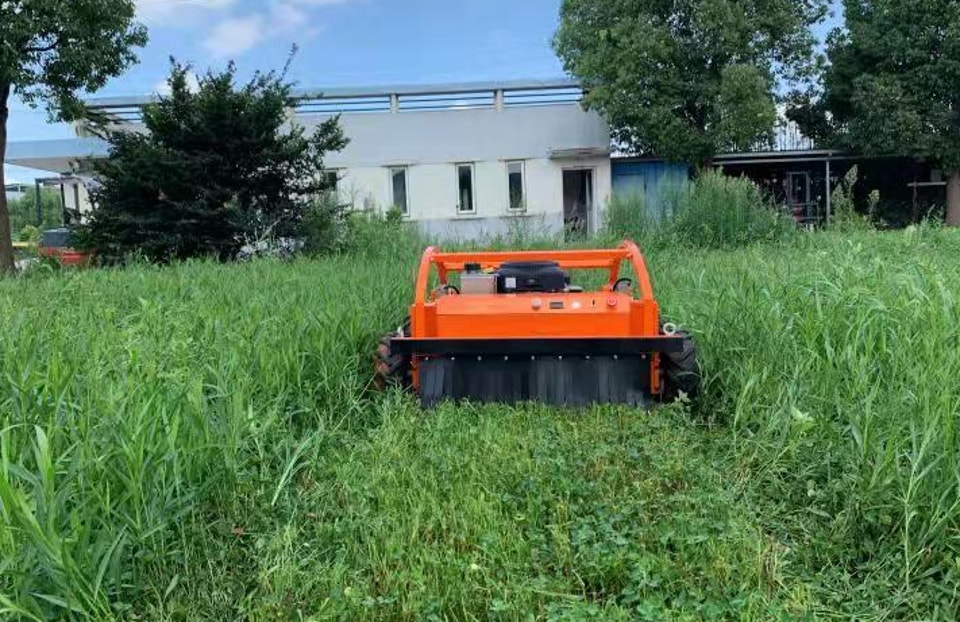
As the name suggests, the main function of the remote control lawn mower is mowing and shredding grass. In fact, the full name of this equipment independently developed by Hitop Machinery is "Multifunctional Remote Control Orchard Manager". Today, the editor will share with you the correct way to open this machine. Be sure to check regularly whether the diesel engine is filled with proper amount of diesel oil. For water-cooled engines, check whether there is cooling water and whether there is gear oil in the gear box. This is done in order to play a better work efficiency and extend the service life. Before starting, check the firmness of the connection between the fasteners, such as nuts, positioning pins, etc. Avoid parts crashing out during operation to injure people or damage other important parts due to linkage. Of course, the inspection of components must be done under the premise of shutdown. Remind people around to stay away from high-speed rotating parts, such as lawn mowers, to avoid injuries. In addition, before putting into production formally, it is necessary to run-in according to the regulations. Novices must pay attention to this point. The fuel supply advance angle, valve clearance, fuel injection pressure, gas valve phase and ignition timing of the diesel engine should be checked and adjusted in time to ensure that the engine is always in good technical condition to save fuel and protect the engine. . The multifunctional remote control orchard management machine also has many functions such as mowing grass, blowing medicine, field transportation, etc. It will be an artifact for ordinary people to manage the orchard.
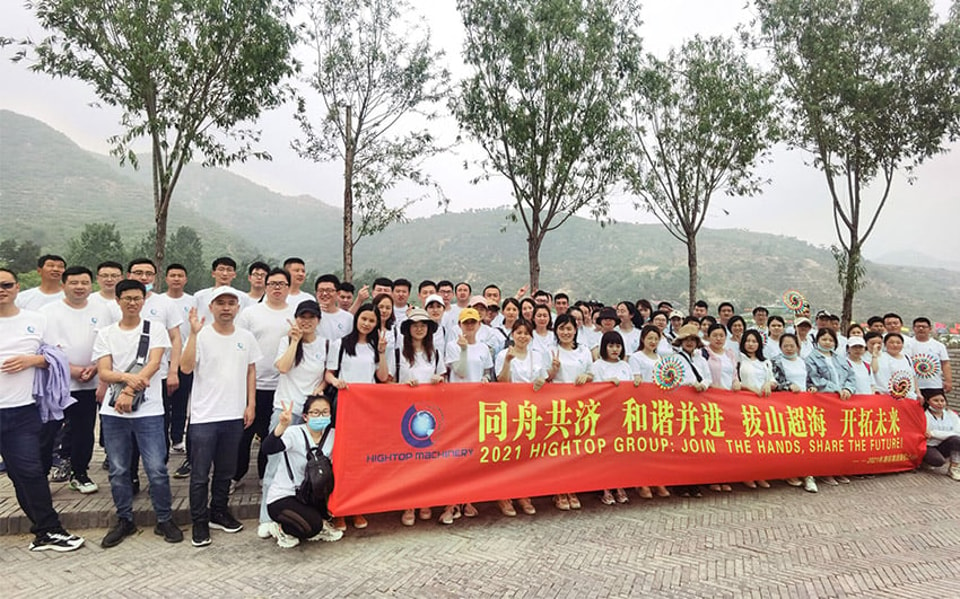
On May 15, 2021, the wind is sunny and the sky is clear. In order to promote the communication between the company employees and enrich the employees' spare time, Shandong Hightop Group organized a "JOIN THEHANDS, SHARE THE FUTURE!" as the theme Hiking and mountaineering activities. This event was attended by more than 80 people from the international trade department, domestic trade department, cross-border retail department, production department, administrative personnel department, and operation department, forming a young, energetic, vigorous and vigorous team. This trekking activity chose the extremely beautiful General Mountain and Colored Stone Creek. General Mountain is located at the southern end of Jinan, at the foot of Mount Tai, 783 meters above sea level, known as "Little Taishan". There are mountains, bamboo forests, streams, and winding gravel roads. Although the temperature on the mountain rises and falls, the enthusiasm of the Hightop team is as hot as fire. The employees help and encourage each other. With the joint efforts of everyone, all the staff climbed to the top of the mountain. While feeling the fresh air in the mountains, everyone not only relaxes physically and feels happy, but also enhances each other's emotions. In the group competition, everyone spoke freely and brainstormed. In order to win, each group continued to innovate, overcome difficulties, and optimize plans, creating a harmonious collective atmosphere. This event stimulated the employees' enthusiasm for competition, hard work and innovation, and encouraged employees to seize opportunities at all times and be full of courage to compete. The event ended successfully, but everyone's passion has not faded. All Hightop employees will work hard together to create a brilliant future with the company.
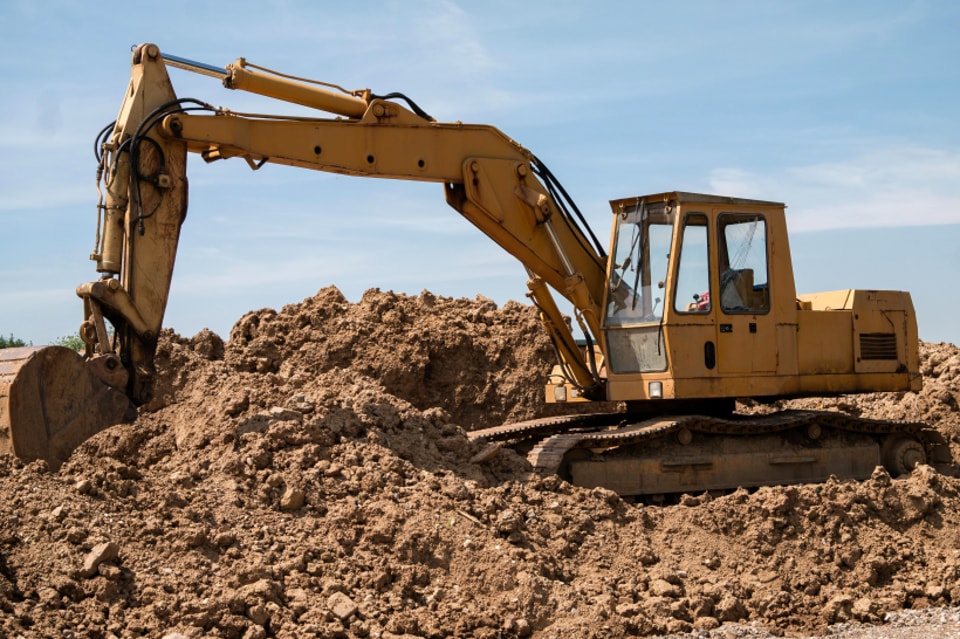
With the development of science and technology, people have long since got rid of the era of manpower reclaiming and loosening the soil. Most of them use small agricultural machinery for agricultural production. Small excavators are the main tools for orchard farmers to loosen the soil. No matter which tool is used frequently, it is easy Cause various failures. If a small excavator fails, don't panic. First determine the problem through the failure, diagnose it, and then repair it. In this whole process, we must follow the following four principles to deal with. The principle of simplicity When finding faults, you should start with simple and easy-to-treat faults, and analyze and confirm them one by one from simple to complex. Most modern excavators are machine-electric-hydraulic integrated products with high technical content. When dealing with faults, we generally check the electrical system first, then the hydraulic system, and finally the mechanical transmission system. When inspecting the hydraulic system, check the auxiliary oil circuit, control oil circuit, main oil circuit and key components step by step. Never dismantle or unload it indiscriminately as soon as it encounters a fault, so as not to expand the scope of the fault or cause new faults. Probabilistic Principle It refers to the principle of selecting the best according to the possibility of various failure hypotheses. According to the time and space conditions, model structure and related failure factors of the machine, combined with maintenance experience, give priority to the most likely failure hypothesis. The mastery of this principle directly reflects the quality and technical level of maintenance personnel. Benefit principle That is, the failure hypotheses that can be confirmed as soon as possible are preferred, and the failure hypotheses that have the least damage to the entire machine or system, and require the least tools, means, and costs are preferred. The principle of careful thinking and slow action Fault diagnosis and maintenance personnel are required to be diligent in thinking, give full play to their subjective initiative, safety first, do not arbitrarily adjust or disassemble parts that should not be easily adjusted or disassembled, especially those that are unfamiliar, difficult to confirm, or difficult to restore after adjustment. Such as the pressure valve and throttle valve of the hydraulic system. Nowadays, small excavators have the highest utilization rate among agricultural machinery, which can be applied to most of the work needs of agricultural production, because they are frequently used, so individual failures are inevitable, so when you encounter problems, you should try to follow them correctly. To prevent damage to the small excavator. Nantes small excavator has a wide range of applications, high cost performance, low fuel consumption, easy operation, and novices can quickly get started. It is the first choice for agricultural machinery for reclaiming loose ground and planting fruit trees.
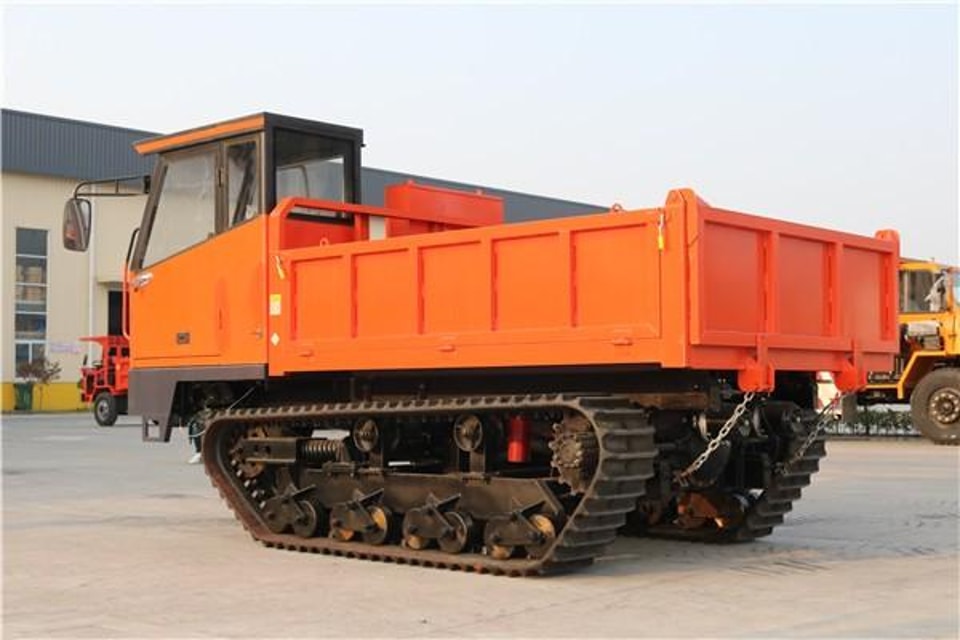
Small crawler truck manufacturers tell you how to drive small crawler trucks on rainy days, pay attention to safety when driving small crawler trucks on rainy days, then how to drive on rainy days, the following small crawler truck manufacturers will explain the small How to run a crawler truck on rainy days. Slow down and drive carefully: The braking distance on muddy roads can be up to 3 times that of normal roads. Therefore, no matter the road conditions are good or bad, the speed should be controlled within 40-60km. For unfamiliar roads, drive along the route of the vehicle in front. How to drive a small crawler truck in rainy days Prevent tire skidding: tire friction is reduced in rainy days, which is prone to skidding. Do not brake or slam the steering wheel when turning. Instead, you should adopt the form of "spot brake" to decelerate straightly before entering the curve. Keep the distance between vehicles: Observe the distance between front and rear vehicles at any time to increase the safety distance. Staying away from the big car will block the line of sight; second, the stagnant water that the big car can pass may not be able to pass, and the big car is prone to splashing water and waves, which will interfere with the driving of the car.
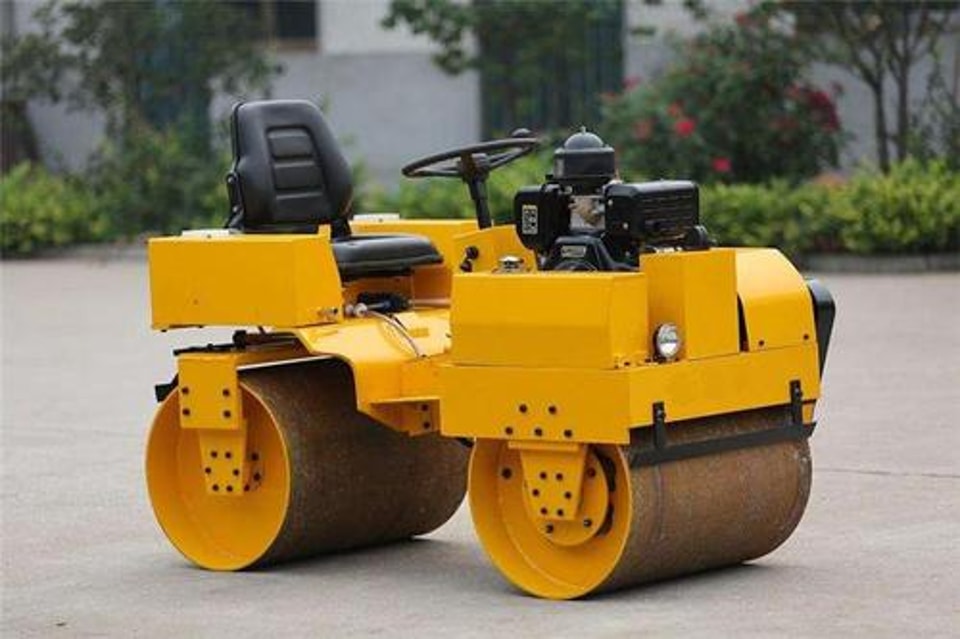
Safety & Maintenance Guide How to Safely Park a Small Road Roller: 5 Critical Safety Rules for Operators Published: July 17, 2026 Category: Machinery Maintenance & Safety When a shift ends or a paving project pauses, many operators think the job is done. They simply turn off the key and walk away from their small road rollers (such as a walk-behind vibratory roller or a 1-ton ride-on compactor). However, did you know that improper parking is one of the leading causes of preventable construction site accidents and hydraulic system damage? Whether you are working on a flat municipal sidewalk or a sloped driveway, parking your compaction equipment requires more than just pulling a lever. In this guide, we break down the industry-standard safety protocols for parking small rollers to protect your crew, your site, and your machinery. Rule 1: Always Prioritize Flat, Firm Ground (Avoid the "Sinking" Trap) Never park a small vibratory roller on soft soil, loose gravel, or freshly laid hot-mix asphalt (HMA). The Risk: The concentrated static weight of a steel drum (even a lightweight 600kg to 1.5-ton model) can cause the drum to sink into soft ground overnight. This not only makes restarting difficult but can also warp the subgrade. Best Practice: Always park on a level, solid concrete or stable subgrade surface. If you are compacting a lawn or trench and have no choice but to park on soft earth, place heavy-duty wooden planks or steel plates under the drums to distribute the weight. Rule 2: Master the Art of Slope Parking (When You Have No Choice) Ideally, you should never park a road compactor on an incline. But on residential driveway jobs or hillside landscaping, slopes are sometimes unavoidable. If you must park on a grade, follow this strict 3-step checklist: Park Parallel, Never Diagonal: Align the machine perpendicular to the slope (facing straight up or down the hill), never along the side, to prevent lateral roll-overs. Double-Block with Wheel Chocks (Not Scraps): Do not just grab a random piece of brick. Use heavy-duty, rated wheel chocks or wooden wedges. Securely drive them under both the front and rear drums/wheels. Engage the Parking Brake: Ensure your mechanical or hydraulic parking brake system is fully locked before turning off the engine. Rule 3: Execute the "Cool-Down" Shut Down Procedure Direct shut-downs after high-vibration work can damage your roller’s engine and hydraulic components. Turn off the Vibratory System first: Never let the roller idle or stand still while the vibration (clutch or hydraulic) is engaged. This can severely crack the asphalt beneath and cause flat spots on the drum’s rubber shock-absorbing mounts. Let the Engine Idle: Allow the diesel or gasoline engine (such as a Honda or Briggs & Stratton) to idle at low speed for 2 to 3 minutes. This cools down the hydraulic oil and engine block evenly, preventing thermal stress and extending the lifespan of your hydraulic pumps. Quick Reference: Parking Safety Matrix for Small Rollers Jobsite Terrain / Scenario Danger Level Mandatory Action & Parking Protocol Flat Concrete / Stable Roadbed Low Engage parking brake; lock all control levers; remove the key. Soft Soil / Wet Clay / Trench Bottom Medium Place wooden planks under the drums to prevent sinking; check for overhead hazards. Active Slopes / Residential Hills High Align machine straight; engage parking brake; must use heavy-duty wheel chocks. Winter / Freezing Temperatures Medium Park on wooden boards to prevent the drums from freezing to the wet ground. CRITICAL SECURITY NOTE: Always remove the ignition key when leaving the machine. Unattended small rollers on open sites are high-risk targets for unauthorized operation, vandalism, or theft. Safety Doesn't Stop When the Engine Shuts Off Implementing these simple parking habits will save you thousands of dollars in equipment repair, subgrade rework, and liability claims. At SD China Machine, safety and durability are built into every machine we make. Looking for easy-to-operate, highly reliable compaction equipment for your next project? Explore Our Small Road Rollers →
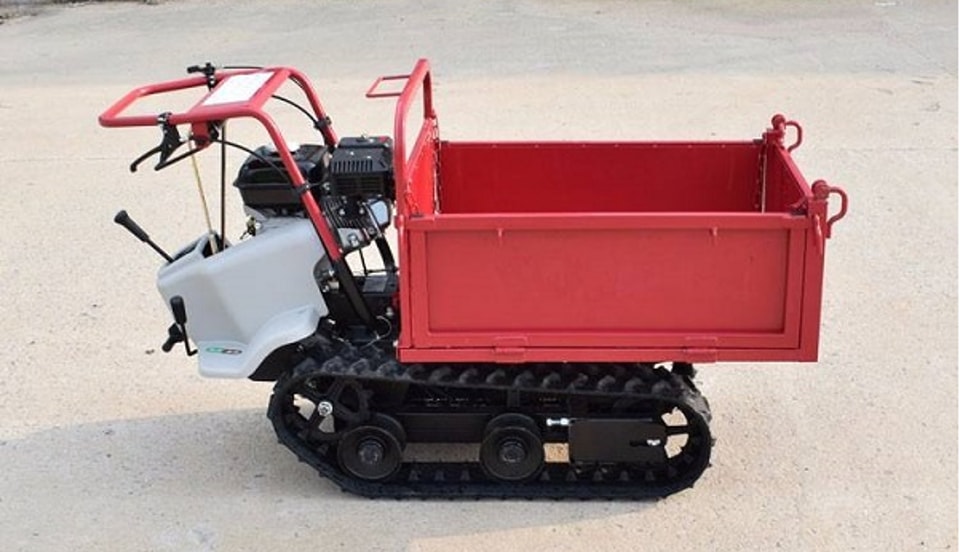
At the moment, users have a very deep trust in the brand. When buying agricultural crawler truck products, they may blindly favor big brand products, and crises will always occur inadvertently. However, compared with agricultural crawler truck brands, it is very important to make good products in order to gain the trust of consumers. Win the market with product quality Agricultural crawler truck companies must ensure their own development and profit margins. It is the product that wins the market. The price of agricultural crawler trucks, product quality, product innovation, etc., is better to improve the quality of the products when they are busy raising prices. Spend more energy on product development. Only by gaining the trust of consumers can we guarantee the original space and find a way of development for ourselves in the industry. To satisfy consumers for long-term development If agricultural crawler truck companies want to achieve long-term development, they must put consumers first, shoulder the reputation and reputation given by consumers, strictly control the production process of products, strictly control the quality, and use qualified agricultural crawlers for transportation. Car products return to consumers. When consumers buy agricultural crawler truck products, they should also start from the quality and choose the high-quality agricultural crawler truck products that suit them in accordance with the appropriate price of agricultural crawler trucks. Consumers let companies ignore quality Some surveys show that consumers' tolerance for big brands is quite shocking. When asking consumers about the quality of well-known brands, they often hear the answer: “Does such a famous brand have quality problems?” The ambiguous attitude of consumers has also prompted some agricultural crawler truck brands to To a certain extent, the product quality is ignored. In short, in the current era of brand competition, crawler truck companies want to meet the needs of customers at a deeper level, and they must achieve the unification of brand values. Without innovation, innovation is not allowed to form its own core competitiveness. my country's crawler truck companies must place innovation at the strategic height of the company, so that the productivity of innovation can make the company continue to move forward.
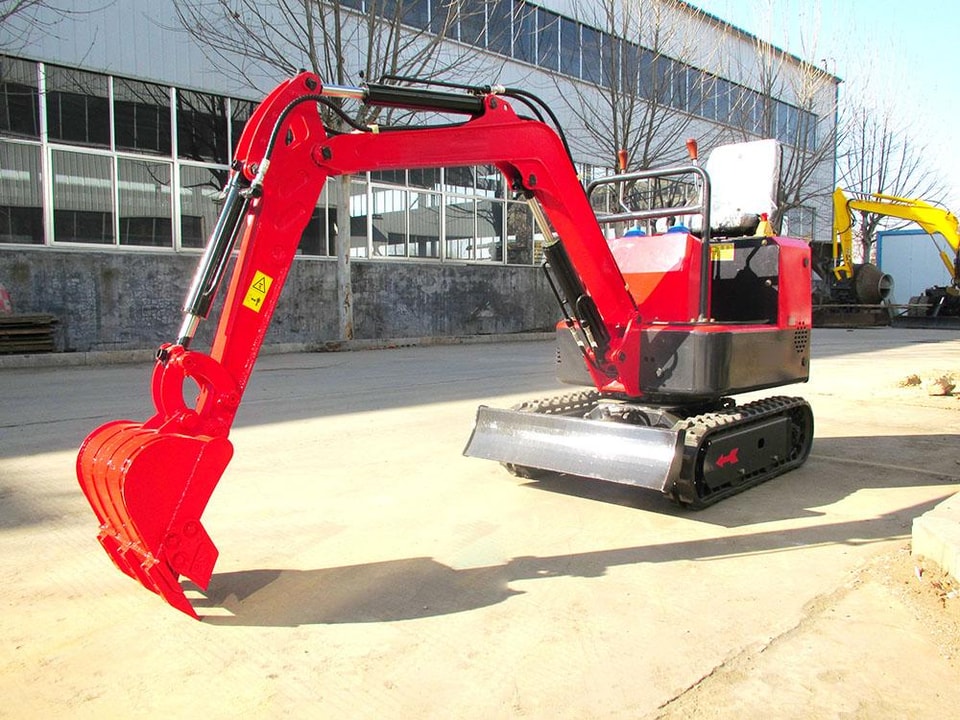
There is a bulldozer shovel on the agricultural excavator and a bulldozer handle on the console. Can't underestimate this part. It plays an important role in the daily operation of agricultural excavators. 1. The overall structure of the bulldozer on the agricultural excavator is very simple. It is usually connected to the traveling device by a connecting rod. The main parts of the bulldozer blade surface, connecting rod and cylinder. Similar to the bucket of an agricultural excavator, there is also a grease port, which needs to be lubricated for a period of time to be lubricated. 2. The main function of the agricultural excavator bulldozer is to remove obstacles in front, clean the road or fix the body. (1) Level the road surface: When the agricultural excavator is walking, place the bulldozer shovel forward, and the bottom edge of the bulldozer shovel is flush with the bottom of the crawler track, which enhances the function of trenching and backfilling. (2) Slope operation: In excavation work, the bulldozer can also be flexibly used to prevent landslides, stabilize the fuselage and level the working surface for backfilling. (3) Stabilizing the fuselage: When the agricultural excavator needs to work on the slope, the bulldozer shovel plays a role. It is used to stabilize the fuselage, prevent landslides from sliding, and flatten the working surface for backfilling. The role played by the bulldozer is very important, and there are some precautions for use. In daily maintenance, it is also necessary to add butter to ensure lubrication during operation; when using a bulldozer, it is also necessary to maintain a good labor intensity, and when cracks occur, road repairs and reinforcements must be carried out in time. In short, the role of bulldozers on agricultural excavators is very important. Flexible application can improve the efficiency and safety of construction.
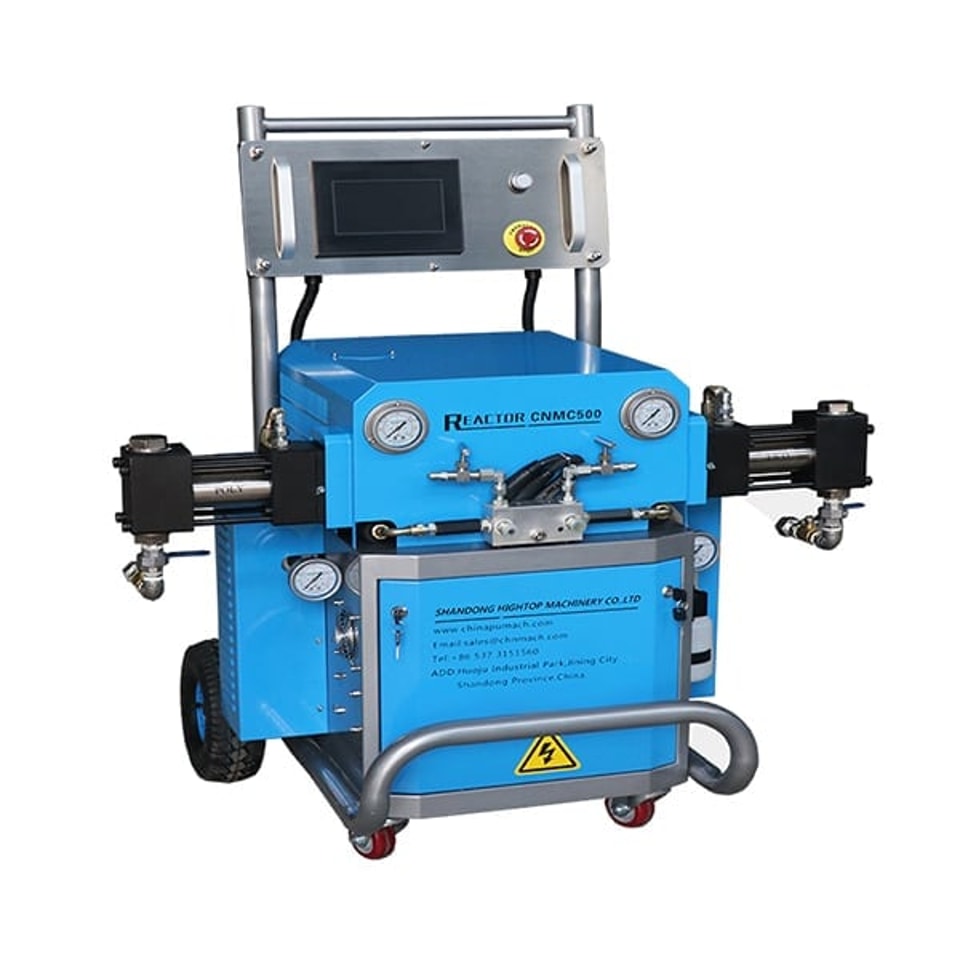
Polyurethane Foaming Machine – Spray Foam Equipment for Insulation & Coating Need a polyurethane foaming machine for spray foam insulation or polyurea coating? Learn how our equipment delivers consistent output, handles high-pressure applications, and stands up to daily job-site use. A polyurethane foaming machine is the core equipment for spray foam insulation and polyurea coating applications. If you're insulating a warehouse roof, coating a truck bed, or applying waterproofing to a concrete surface, this is the machine that mixes and dispenses the two chemical components (A and B) at high pressure to create the final foam or coating layer. Unlike simple spray guns, a proper foaming machine controls temperature, pressure, and flow rate – so the chemical reaction happens exactly where and when it should. No cold spots, no uneven curing, and no wasted material. Core Components of a Polyurethane Foaming Machine A typical polyurethane foaming machine has three main parts: 1. Proportioning Pump Pulls the two chemical components from their drums and pushes them forward at the right ratio. Get the ratio wrong, and the foam won't cure properly. Most machines use piston or gear pumps to maintain precise ratios regardless of material viscosity. 2. Heated Hose Keeps the chemicals at the right temperature from the machine all the way to the spray gun. For polyurethane foam, the ideal temperature range is typically 60-85°C (140-185°F). Cold chemicals mean thick, sluggish flow and poor mixing, which leads to off-ratio material and failed jobs. 3. Spray Gun Where the two components finally meet, mix, and atomize onto the surface. Good atomization means even coverage and minimal overspray. The gun also houses the mixing chamber, which must be cleaned or replaced regularly to maintain consistent spray pattern. The machine also includes a control panel to monitor temperature, pressure, and flow – so the operator can make adjustments on the fly without stopping the job. Common Applications for Polyurethane Foaming Equipment Where does this equipment actually get used? Here are the most common applications: Building Insulation Spray foam on warehouse roofs, commercial building walls, and residential attics. Closed-cell foam provides both insulation and vapor barrier in one pass. Open-cell foam offers sound dampening and is more cost-effective for interior applications. Pipe and Tank Coating Polyurea coatings applied with foaming equipment protect steel pipes, storage tanks, and concrete structures from corrosion and abrasion. These coatings cure rapidly, allowing coated surfaces to be handled or put back into service within hours. Truck Bed Liners Durable, slip-resistant polyurea liners sprayed directly onto pickup beds and trailer floors. These liners outlast drop-in bed liners and provide better protection against scratches, dents, and chemical spills. Roof Waterproofing Spray-applied polyurethane membranes that seal and protect flat roofs from water intrusion. These systems are seamless, lightweight, and can be applied over existing roof surfaces without removal. How to Choose the Right Foaming Machine for Your Work Not every foaming machine fits every job. When choosing equipment, consider these factors: Output Volume How many pounds of material do you need to spray per minute? Small jobs (truck beds, small roofs) need less output than large-scale insulation projects. For occasional use, a lower-output machine is more cost-effective. For daily production, higher output improves efficiency. Pressure Rating Polyurea coatings typically require higher pressure (3000+ PSI) than polyurethane foam (1500-2500 PSI). Make sure the machine matches your primary application. If you plan to do both, choose a machine with an adjustable pressure range. Heated Hose Length Longer hoses give you more reach on a job site, but require more heating power to maintain temperature over distance. Standard lengths are 15-30 meters (50-100 feet). For commercial roofing or warehouse work, longer hoses reduce the need to move the machine frequently. Portability If you're moving between job sites daily, a skid-mounted or trailer-mounted machine is easier to transport than a stationary unit. Skid-mounted machines can be fork-lifted onto trucks, while trailer-mounted units can be towed behind a work vehicle. Technical Specifications – Polyurethane Foaming Machine Parameter Specification Heating Power 800W – 3000W (depending on model and hose length) Max Heating Temperature 85°C (both A and B components) Max Operating Pressure 5700 PSI (for polyurea applications) Hose Inner Diameter 3/8 inch (standard for most applications) Hose Length 15 meters per roll (longer lengths available) Temperature Sensor PT100 (accurate to ±0.5°C) Fittings JIC5 / JIC6 (standard industry connection) Power Supply 220V / 380V (50/60 Hz, depending on regional standard) Control Type Digital panel with independent temperature/pressure control for A and B components Frequently Asked Questions About Polyurethane Foaming Machines What's the difference between polyurethane foam and polyurea coating equipment? The equipment is similar, but the chemistry is different. Polyurea cures much faster – in seconds rather than minutes – so the machine needs more precise temperature control and higher pressure capability. Many machines can handle both, but confirm with the manufacturer before switching materials. How much output do I need for my project? For small jobs like truck beds or small roofs, 5-10 lbs/min is usually enough. For large commercial insulation projects (warehouses, tilt-up walls), look for 15-25 lbs/min output. Bigger isn't always better – oversized equipment is harder to control on small jobs and wastes material. What maintenance does a foaming machine require? Regular maintenance includes flushing the system after each use (uncured material hardens in the lines), checking and replacing filters, calibrating the proportioning pump annually, and inspecting heated hoses for wear or damage. Most manufacturers provide a maintenance schedule – follow it. Can I use the same machine for both foam and polyurea? Some machines are designed for both, but they typically require a changeover kit and thorough cleaning between materials. Foam and polyurea have different viscosities and cure times, so the proportioning and heating settings will be different. If you regularly switch between both, consider a machine with a quick-change feature. What pressure rating do I need for my application? Polyurea coatings typically require higher pressure – usually 3000+ PSI – to achieve proper atomization and curing. Polyurethane foam can be applied at 1500-2500 PSI. If you plan to do both, look for a machine with an adjustable pressure range that covers both applications. Need Help Choosing the Right Foaming Machine? Tell us your typical application and daily output requirements – we'll recommend the right setup for your work. 📧 Email: info009@hightopgroup.com📞 WhatsApp: +86 181 6205 2962

Enquiry about