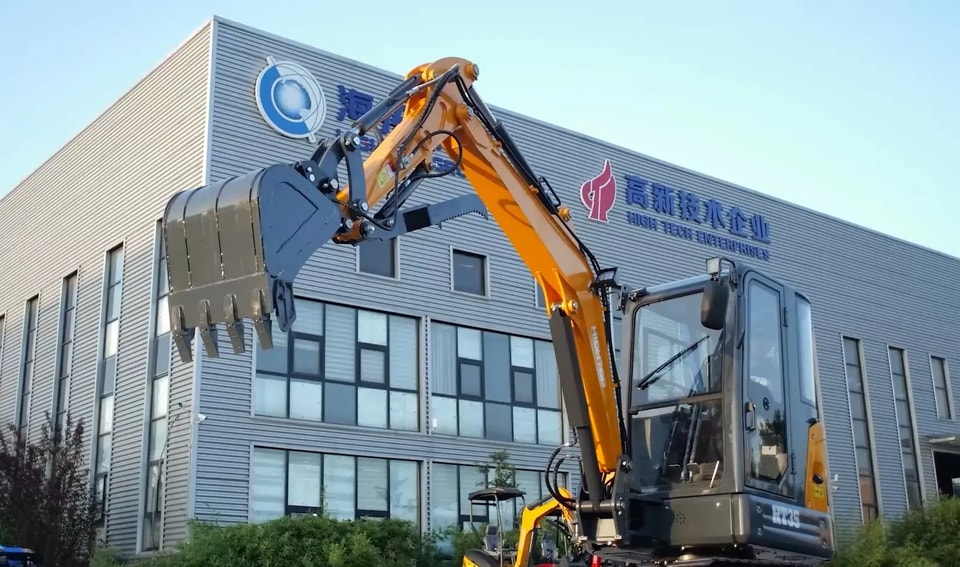
Product Selection
Shipments, trade shows and practical guides for choosing, running and maintaining compact equipment.
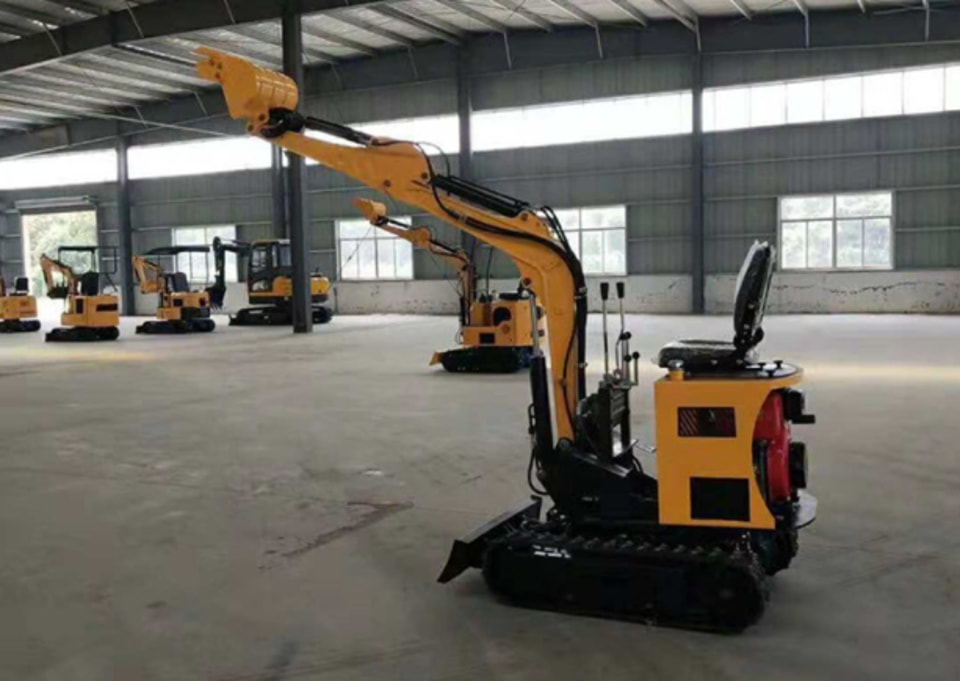
How to Diagnose an Overheating Mini Excavator – Step by Step If your mini excavator is running hot, don't guess – diagnose the issue. Here's the order you should check things, from the simplest fix to the most involved. Step 1: Check the Radiator Fins (The Most Common Culprit) Before you touch anything else, look at the radiator. On a mini excavator working in dusty or muddy conditions, the fins can clog up in a matter of days. When airflow is blocked, the heat has nowhere to go. What to do: Blow out the radiator fins with compressed air. Aim from the inside out (engine side to grille side) – blowing from the outside just pushes debris deeper into the core. If the fins are badly bent or corroded, the radiator needs professional cleaning or replacement. How to know it's fixed: Run the machine for 10 minutes. If the temperature gauge stays in the normal range, you've found the problem. If it still creeps up, move to Step 2. Step 2: Check the Thermostat (The Second Most Common Culprit) The thermostat is a temperature-controlled valve that decides whether coolant goes through the radiator or just circulates inside the engine. When it gets stuck closed, the engine overheats because no coolant reaches the radiator. What to look for: Stuck closed: The engine overheats quickly, especially under load. This is the most common cause of sudden overheating. Stuck open: The engine takes forever to warm up, which wastes fuel and increases wear. Fluctuating gauge: The thermostat is sticking – opening and closing erratically instead of smoothly. How to test it: Pull the thermostat out, put it in a pot of water on the stove, and heat it up with a thermometer. It should start opening around 74-78°C and be fully open by 95°C. If it doesn't, replace it – they're cheap. How to know it's fixed: Replace the thermostat, refill coolant, and run the machine. If the temperature stays steady, you're done. If it still overheats, move to Step 3. Step 3: Check the Water Pump (The Most Expensive Fix) The water pump is what moves coolant through the engine and radiator. It's driven by a gear off the engine, and it spins about 1.5 times faster than the engine itself – that's a lot of wear on the bearings and seals. What to look for: Coolant dripping from the pump housing – the seal is failing Grinding noise from the pump area – the bearing is going out Overheating at idle but normal at higher RPM – weak impeller or loose belt What to do: If you see any of these signs, replace the pump before it fails completely. A seized pump means an overheated engine in minutes. Quick Reference – Which Problem Is It? Symptom Most Likely Cause What to Check First Overheats under load, fine at idle Blocked radiator fins Blow out the radiator with compressed air Sudden overheating, gauge spikes fast Thermostat stuck closed Test the thermostat in hot water Overheats at idle, improves with RPM Water pump issue (weak impeller) Check for coolant leaks and belt tension Slow warm-up, poor fuel economy Thermostat stuck open Replace the thermostat Coolant leak, grinding noise Water pump seal or bearing failure Replace the water pump Daily Cooling System Check – 5 Minutes That Save Thousands Coolant level: Check the overflow tank and radiator (when cold). Low coolant means you have a leak somewhere. Radiator fins: Look for debris buildup. Blow them out if they're dirty. Hoses: Squeeze them. Firm = good. Spongy or cracked = replace. Fan belt: Check tension and condition. A loose belt won't spin the water pump fast enough. Temperature gauge: Watch it during warm-up. It should rise smoothly and stay steady once the thermostat opens. Most cooling system problems are preventable. A few minutes of daily attention costs almost nothing. An overheated engine costs thousands. Frequently Asked Questions My mini excavator overheats when I'm working hard but runs fine at idle. What should I check first? Check the radiator fins. This is the most common cause – dust, mud, and debris block airflow. Blow them out with compressed air from the inside out. If that doesn't fix it, test the thermostat. Can I just use water instead of coolant in an emergency? Only if you have no other choice. Water boils at 100°C and freezes at 0°C – coolant raises the boiling point and lowers the freezing point. It also contains corrosion inhibitors that protect the engine block. If you use water, drain and replace it with proper coolant as soon as possible. How often should I change the coolant in my mini excavator? Every 2-3 years or 1000-1500 operating hours, whichever comes first. Coolant degrades over time and loses its corrosion protection. When you change it, flush the system thoroughly to remove old deposits. Why does my temperature gauge go up and down while I'm working? That's usually a sticking thermostat – it's opening and closing erratically instead of smoothly. Replace the thermostat first. If the problem persists, check the temperature sensor itself – it might be giving false readings. How do I know if my water pump is failing before it breaks completely? Three signs: coolant dripping from the pump housing (seal failure), grinding noise from the pump area (bearing wear), or overheating at idle that improves with higher RPM (weak impeller). Replace it before it fails completely – a seized pump will overheat your engine in minutes. What's the most common mistake operators make with cooling systems? Not checking the radiator fins regularly. On a mini excavator working in dusty conditions, the fins can clog in a matter of days. A 2-minute blow-out with compressed air at the end of each day prevents most overheating problems.
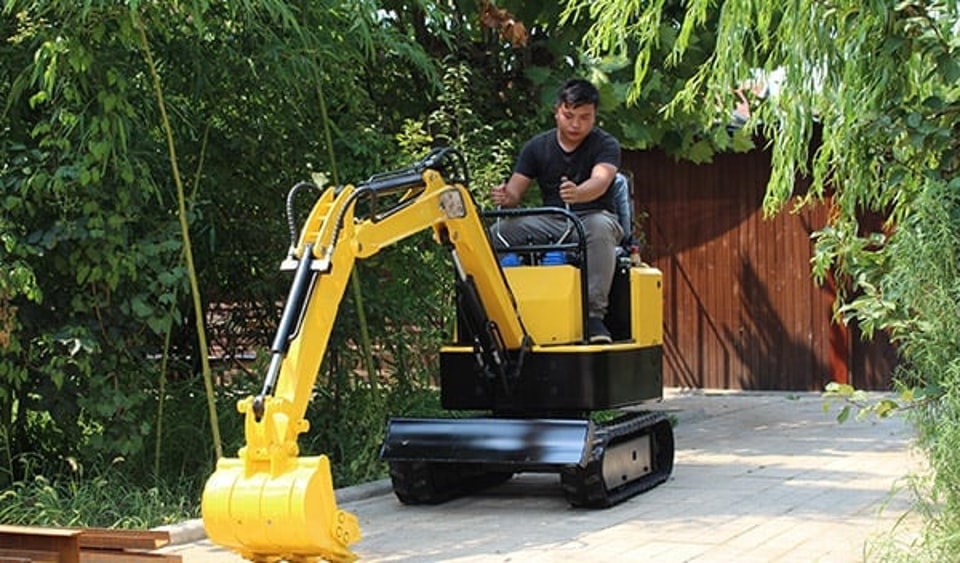
Because the working environment of small excavators is often more complicated and harsh, the normal service life cannot be guaranteed for high-intensity construction tasks in a complex environment without standardized maintenance. Therefore, small excavators emphasize the importance of maintenance operations, during which the addition of smooth media is one of the effective protection operations for machinery. Because of the differences in the operation methods and conditions of each part of small excavators, small excavators, and tailless excavators, there are strict requirements regarding the refueling cycle of each smooth point, the amount of refueling each time, and the method of refueling. Requirements. When the excavator needs to add lubricating oil, the driving and maintenance personnel should strictly implement the requirements, and can not add a little oil at will to finish the job, it is difficult to meet the lubricating requirements. The structural type and operating conditions of the excavator's operating position determine the amount of refueling, and there are usually clear regulations and requirements in the excavator's operating instructions. The protector and maintainer should make appropriate supplements in accordance with the operating instructions, the oil level or dipstick and the window of the excavator. Excessive filling of lubricating oil will be harmful and useless. Strictly speaking, this is a misunderstanding in conceptual understanding, and only fuel directly participates in the work. Adding lubricating oil generally refers to adding lubricating oil between the conflicting pairs that move with each other, filling the bumps with it, and maintaining a smooth oil film of a certain thickness, to reach the two surfaces that separate the conflicting pair and reduce the conflict. The purpose of resistance and wear reduction, as well as cooling mechanism and sealing. These effects of adding lubricating oil are indirectly supporting the work of the fuel. The smoothness of walking equipment and maintenance of excavator parts should remember the smoothness of the fan. If it is used, the registered air port should be opened first to ensure excellent ventilation to reduce internal pressure. Before operation, check whether the height of the smooth oil surface of the excavator meets the requirements. If it is lower than the normal oil surface, add the same type of smooth oil in time. Each bearing of the traveling mechanism has been filled with enough lubricating grease during installation, and there is no need for daily refueling. The lubricating grease can be replenished once every two months through the oil injection hole or the bearing cover, and it is dismantled, cleaned and replaced once a year. Smooth fat. Apply smooth grease once a week to the meshing parts of the open gears.
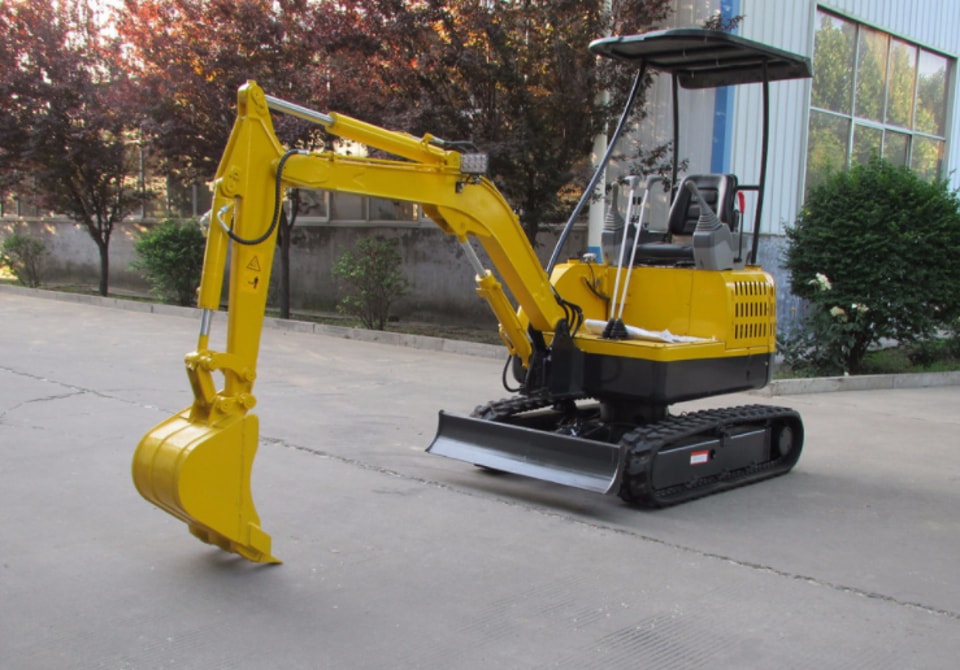
Small Excavator Electric Shock Prevention – Safety Tips for Operators Working near power lines is one of the biggest risks on a construction site. Here's what every small excavator operator needs to know about electric shock prevention – before, during, and after an incident. Construction sites are complicated places. Power lines run overhead, cables are buried underground, and you're operating a machine made mostly of steel. One wrong move can be fatal. But most electric shock incidents are preventable – if you know what to look for and what to do. Before You Start: Know What's Around You Most electric shock accidents happen because the operator didn't know the power lines were there. Here's what to check before you turn the key: Walk the site first. Look up. Look down. Identify every overhead line, utility pole, and electrical box within your work area. Call before you dig. If you're trenching or excavating, contact the local utility locator service. They'll mark buried cables and pipes so you know where not to dig. Mark safe routes. Plan your travel paths and operating areas away from power lines. If you're moving the machine around the site, know exactly where you can and cannot go[reference:0]. Know the safe distances. The minimum safe distance depends on the line voltage: Under 1kV – stay at least 1.5 meters (about 5 feet) away[reference:1] 3-10kV – stay at least 2 meters (about 6.5 feet) away[reference:2] Above 35kV – stay at least 4 meters (about 13 feet) away[reference:3] If you're not sure about the voltage, assume it's high and keep your distance. When in doubt, call the utility company[reference:4]. Use a spotter. If you absolutely must work near power lines, have someone on the ground watching your clearance. They can warn you before you get too close[reference:5]. During Operation: Keep Your Distance Once you're working, staying safe is about constant awareness: Lower the boom when moving. When traveling around the site, keep the boom and arm as low as possible. A raised boom is more likely to swing into overhead lines[reference:6]. Don't assume lines are insulated. Most overhead power lines are not insulated. Even if they look like they have a coating, that's usually weatherproofing, not insulation. Electricity can arc – meaning it doesn't have to touch your machine to kill you[reference:7]. Stay alert near poles. Power poles can shift or lean over time. The actual line height may be lower than you expect. If You Hit a Power Line – Stay in the Cab This is the most important rule: if your excavator touches a power line, do not get out. The exterior of the excavator is made of steel, and the ground around the machine becomes energized[reference:8]. The interior of the cab, however, is insulated. As long as you stay inside, you're safe[reference:9]. Here's what to do: Stay calm. Panic is your biggest enemy. Take a breath. Try to move the machine away. Slowly and carefully, try to drive the excavator away from the power line[reference:10]. If you can break contact, you're out of danger. If you can't move it, stay put. Do not try to get out and run[reference:11]. The ground within about 10 meters of the machine is live[reference:12]. If you step out, your body becomes the path for electricity to reach the ground. Call for help. Use your phone or radio to call for rescue. Tell them exactly what happened and that you're staying in the cab. Wait for the power to be cut. Do not leave the cab until the utility company confirms the power has been shut off. If You Must Exit – The Bunny Hop In extreme cases – if the machine is on fire or about to explode – you may have no choice but to get out. But do it the right way: Jump, don't step. Jump out of the cab with both feet together. Do not touch the machine and the ground at the same time[reference:13]. Hop away. Keep your feet together and hop or shuffle to safety. Do not take normal walking steps[reference:14]. The voltage spreads out in rings from the machine – if your feet are on different rings, you become the circuit[reference:15]. Get at least 10 meters away. Once you're clear, don't go back until the power is confirmed off[reference:16]. Daily Habits That Reduce Risk Electric shock prevention isn't just about what you do in an emergency – it's about the small habits you build every day: Wear proper footwear. Always wear insulated rubber boots. Never operate in slippers, sandals, or bare feet[reference:17]. Good quality insulated boots are cheap compared to the alternative. Keep the cab dry. Water conducts electricity. A wet floor or wet controls increase the risk if the machine becomes energized. Don't assume it's safe. If you're not sure whether a line is live or dead, treat it as live. Never start work until you have confirmation from the utility company[reference:18]. Report damaged equipment. Frayed cables, exposed wires, or damaged insulation on the machine itself should be fixed immediately. Frequently Asked Questions Is the operator safe inside the excavator if the machine touches a power line? Yes – as long as you stay inside. The excavator's steel body acts as a Faraday cage. The exterior and the ground within about 10 meters become live, but the interior remains insulated[reference:19]. Do not step out. What should I do if my excavator hits an overhead power line? Stay in the cab. Try to move the machine away from the line slowly and calmly. If you can't move it, stay put and wait for rescue. Do not get out – the ground around the machine is energized[reference:20]. What is the safe distance between an excavator and a power line? For lines under 1kV, stay at least 1.5 meters away. For 3-10kV lines, stay at least 2 meters away. For lines above 35kV, stay at least 4 meters away[reference:21][reference:22]. When in doubt, call the utility company. What protective gear should an excavator operator wear to prevent electric shock? Always wear insulated rubber boots with good dielectric strength. Never operate in slippers, sandals, or bare feet[reference:23]. Insulated gloves are also recommended when handling cables or working near electrical equipment. Need More Safety Information? If you're looking for more detailed safety guidelines or have questions about operating small excavators near power lines, we're here to help. 📧 Email: info009@hightopgroup.com📞 WhatsApp: +86 181 6205 2962
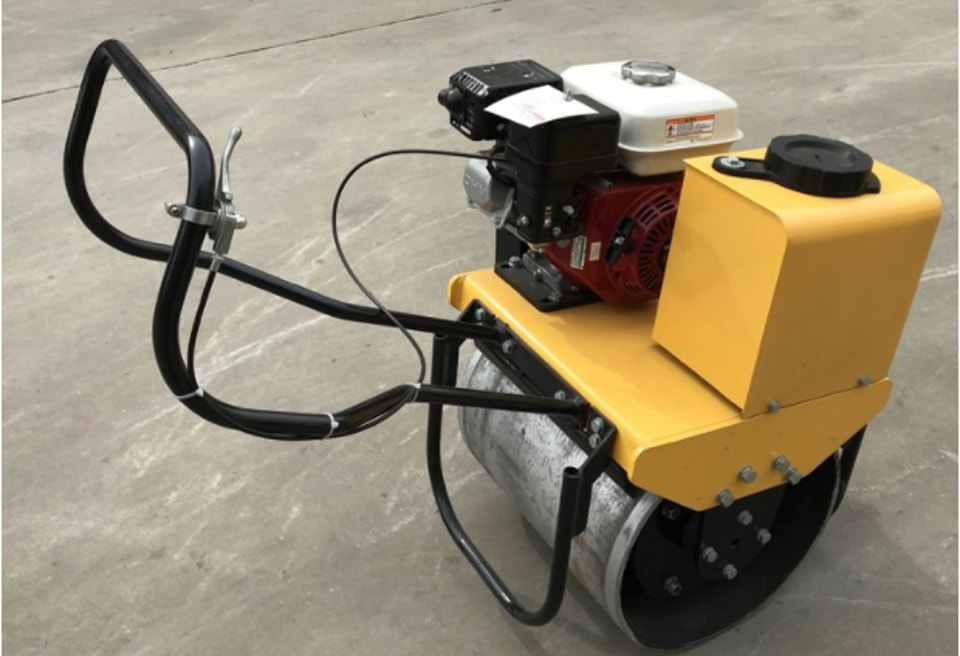
The "must do" work for the walk-behind rollers Do the "must do" work for the walk-behind rollers: 1. First, you need to check the state of the hand-held roller, that is, "three oils and one water": the height of the electrolyte and whether there is leakage, and whether the components are connected. 2. Check the construction environment of the hand-held roller and clear the obstacles in time. 3. The operator of the walk-behind roller must have a detailed understanding of driving knowledge and proficient operating techniques. 4. Place the hinge lock lever in the stowed position, adjust the roller amplitude adjustment knob, and then start the engine and make it run normally. Perform the above operations and then master the controls. I trust that you will become one of the partners of the walk-behind roller. If you have any questions or are interested in purchasing products, please visit our website for more information, or call our service hotline, we will serve you wholeheartedly!
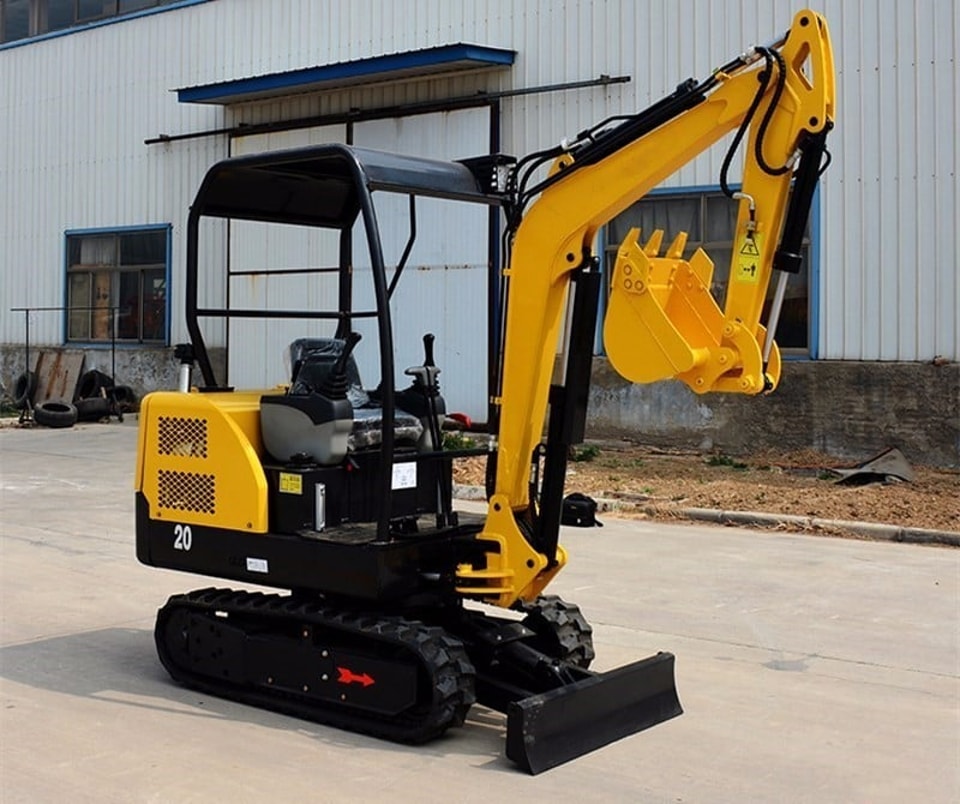
According to incomplete statistics from authoritative organizations, in the first quarter of 2018, a total of 60061 excavators were rented out in the domestic market, a year-on-year increase of 48.4%. 4,131 excavators were exported, a year-on-year increase of 105.1%. In March 2018, the sales volume of small excavators under 20 tons in the domestic market was 22,307 units. In March 2017, domestic sales were 13,387 vehicles, a year-on-year increase of 66.6%. More and more users use mini excavators instead of labor, because mini excavators are equivalent to 12 labor. The editor provides you with a small account: Take artificial transplantation of seedlings as an example: 12 human workers Labor cost: 12 people * 160 yuan/day (this is the rural salary) = 1920 yuan. The boss is also responsible for eating. It is estimated that 12 people * 15 yuan/person = 180. I need 2100 yuan per day. The small excavator has 2 individual workers Labor cost: 2 people/day * 160 yuan/day = 320 yuan. Machine fuel consumption: 8 hours * 9 yuan/hour = 72 yuan. Machine salary: 200 yuan (if the boss drives it by himself, this fee will be saved). One day, its cost was less than 600 yuan, and the actual work was contracted by an excavator. Efficiency is also greatly improved and people are more relaxed! In short, the excavator rental market has increased in the first quarter of 2018, surpassing the same period last year. The reason is that market demand determines sales, and new rural construction, real estate development, old machinery replacement and infrastructure construction are the incentives. Mini excavators are imported models throughout the year. Needless to say the core technology and design concept. This is a goal that manufacturers of home mini excavators have learned and surpassed. How to accurately locate and focus on the low-end market has become a top priority. Based on the above reasons, the localization of small excavators needs to focus on design improvement and innovation, core parts replacement, humanized upgrades and after-sales service guarantees, such as rotating work in a narrow environment, using 20 excavators and other small excavators. The use of the tailless design concept is in line with international trends and market needs, while also optimizing practical value. After all, according to the needs of users, create value for end users.
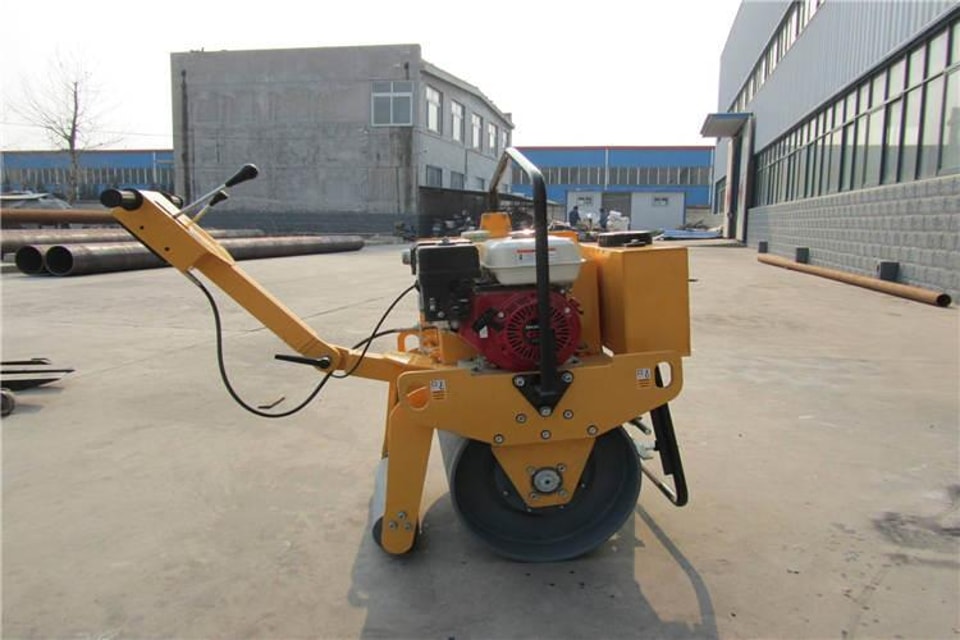
There must be many people who prefer diesel engines. However, there are still people who choose small rollers with gasoline engines. Therefore, further in-depth analysis is needed. The diesel fuel mixture is carried out in the combustion chamber, and the high-pressure injection of diesel fuel enters the combustion chamber. After compression and self-ignition, it works in the manner of fuel injection and combustion. This method inevitably causes the fuel mixture to be uneven, and local oxygen deficiency will occur during the combustion process. The fuel is carbonized under high temperature and oxygen deficiency, resulting in insufficient fuel combustion. We often see black smoke from diesel engines formed in this way. Gasoline has smaller molecules and is easier to mix with air, and it is not easy to separate from air in a mixed state. Gasoline and air are mixed evenly, and there is basically no case that the gasoline density in the mixed gas is too low or too rich. Therefore, gasoline engines have extremely strong volatility, while diesel engines are difficult to volatility. In winter when the weather is cold, gasoline engines use ignition type combustion, which is easy to start. For diesel, when the temperature drops to a certain level, solidified objects will appear in inferior oil, and the oil pipe will often be frozen, making it difficult to start. Need to inject hot water into the fuel tank, or preheat for several times to start. Therefore, gasoline engines and diesel engines have their own advantages and disadvantages. Here, Sao recommends that users choose engine rollers with different fuels according to environmental requirements and conditions when purchasing small rollers. It is recommended to purchase a small single-drum vibratory roller with a gasoline engine, whose fuel consumption is not significantly different from that of a diesel engine, and the speed kinetic energy is not much different from that of a diesel engine. It is easy to start in winter and has low noise. To buy a small double drum roller, it is recommended to buy a diesel model. Because the body of the double drum small roller is larger than that of the single drum small roller, it requires more power. It is better to choose a diesel engine that can provide higher kinetic energy.
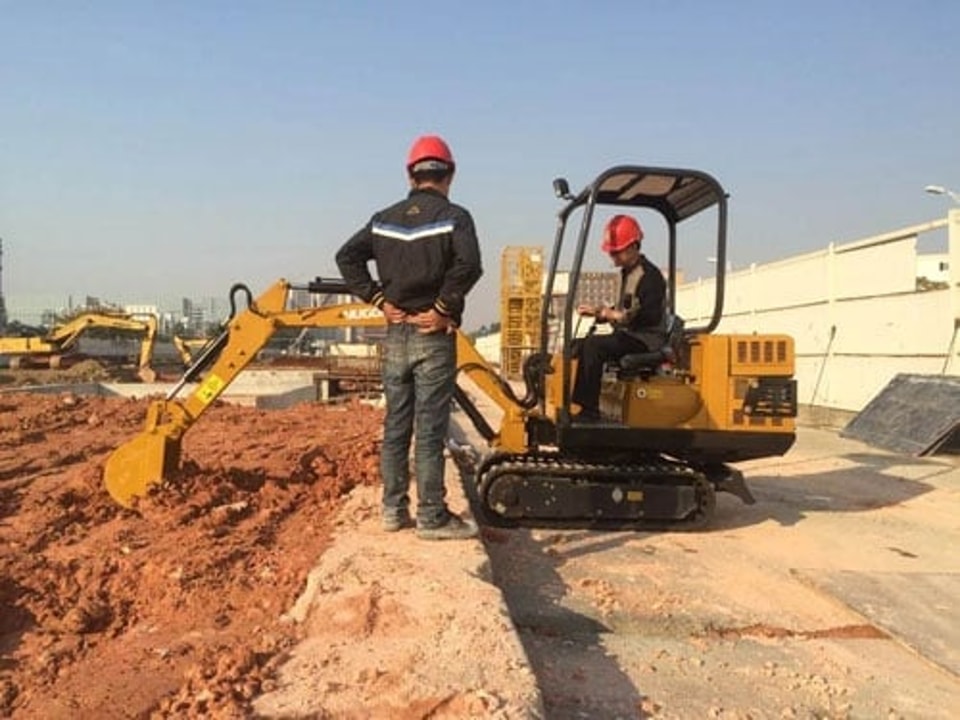
If your excavator often uses a crusher, the reason for the blackening of hydraulic oil is not only impurities, but also the irregularity of the grease. When replacing the boring machine with the excavating machine, it is necessary to lift the broken hammer and press the steel into the piston. Only half of the standard grease gun is needed for each filling. Because if the steel is not pressed when adding the butter, the butter will be placed at the upper limit of the steel trough. When the steel is working, the butter will directly hit the main oil seal and piston of the circuit breaker. The reciprocating motion brings the butter into the cylinder of the circuit breaker, and then the hydraulic oil in the cylinder of the circuit breaker is mixed into the hydraulic system of the excavator, and the hydraulic oil deteriorates and turns black. Here are a variety of single actions, starting from the bottom, do the top and bottom of the bulldozer first, do the top and bottom of the bulldozer. When you look at the top or don’t touch the structure at all, try to push the shovel down to lift the whole machine. Stay for a few minutes at the time to see if there is any automatic fall, if there is leakage in the cylinder or the inside of the valve core; Try again, first move forward about 10 meters at the same time, and then return about 10 meters at the same time, to see if there is any obvious deviation. If there is a significant deviation, uneven oil path, and need to be repaired, then go on one side and walk forward and backward to see if it succeeds. When the engine is at a medium speed, it should be able to walk on one side. (Idle speed is not common when walking on one side and is usually not included in the scope of the fault). Try the rotation again. There should be two kinds of fast operation and slow operation when testing the rotation operation. When the operation is slow, whether the rotation response is too slow or too fast, too slow means that the guide handle does not rotate one-third of the stroke. Action too fast means that the handle starts to move slightly, the swing action starts immediately, the reaction is too fast, and the braking performance is also tested. After the handle stops operating, it should be rotated again. Some have poor braking performance and may have to turn 180 degrees to stop. This is a problem. I have to deal with it. I personally think that the second mobile phone’s braking range is less than 45 degrees, and it is considered qualified; Try buckets, sticks and booms. There is no strict standard for speed. It is usually felt by hand, but it can be provided here. The bucket extends and takes the entire stroke for about 3 seconds. The stick stretches and closes. The whole journey is about 4.5 seconds, the boom will rise or fall to the end, about 5 seconds, if the movement is too fast or too slow, the machine will usually feel it directly. Too fast and too slow are problems. Too slow affects efficiency, too fast, it is easy to damage the machine, it should be repaired, and the value will decrease. Small excavator hydraulic oil often has problems, so we must maintain it well and observe more.
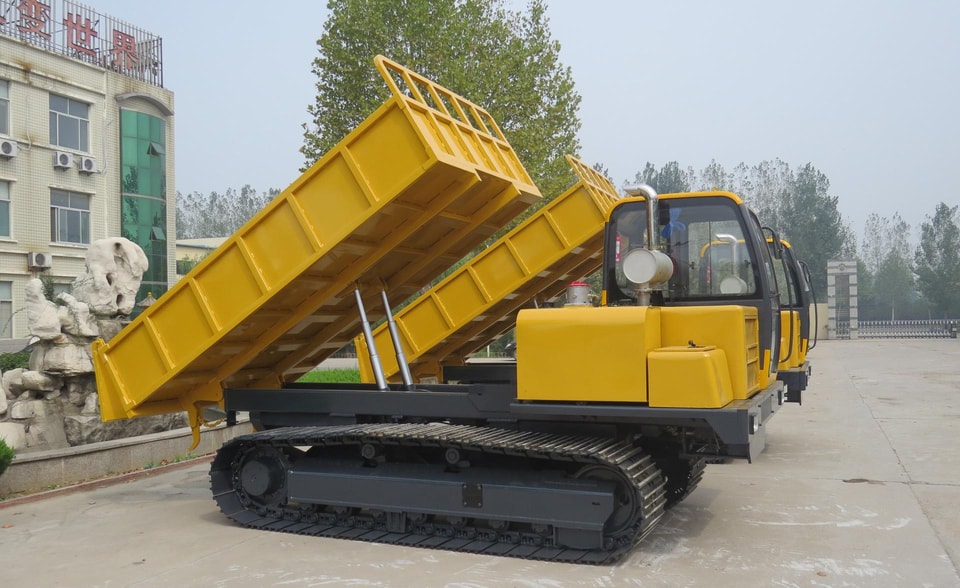
What Is a Crawler Transporter? A crawler transporter is a small tracked vehicle designed to carry materials across rough or soft terrain where wheeled vehicles struggle. It's used on farms, construction sites, and in forestry – anywhere you need to move heavy loads over ground that's muddy, sandy, or uneven. Unlike wheeled vehicles, crawler transporters use rubber or steel tracks. The tracks distribute the machine's weight over a larger surface area, which means less ground pressure and better traction on soft surfaces. Here's why that matters for agricultural work. 7 Practical Advantages of Crawler Transporters 1. Works on Rough and Soft Terrain Wheeled vehicles sink in mud, spin on sand, and slip on ice. Crawler transporters don't have that problem. The tracks provide traction on swamps, river beaches, deserts, paddy fields, tropical rain forests, and snow. If your farm has wet areas, sandy patches, or uneven ground, a crawler transporter keeps moving when other machines get stuck. That means fewer delays and less time spent pulling equipment out of the mud. 2. Simple, Reliable Design The structure of a crawler transporter is straightforward – fewer moving parts than a wheeled vehicle with complex suspension and steering systems. The transmission is stable and the controls are simple to operate. Simple design means less to break. When you're working in remote areas or during peak season, reliability matters more than fancy features. 3. Low Fuel Consumption Crawler transporters typically use single-cylinder diesel engines. They're not powerful enough for highway speeds, but they don't need to be. On a farm or job site, you're moving at walking speed, not highway speed. The single-cylinder design is fuel-efficient – you're not burning diesel to move a heavy drivetrain at high speeds. Lower fuel consumption means lower operating costs per hour. 4. Strong Traction and Climbing Ability The tracks provide excellent traction, which translates to good climbing performance on slopes and uneven ground. The machine can handle inclines that would cause a wheeled vehicle to lose grip and slide back. If your farm has hills or slopes, this matters. You can move materials up and down without worrying about losing control or getting stuck halfway. 5. Small Turning Radius – Works in Tight Spaces Crawler transporters can turn in a much smaller radius than wheeled vehicles of similar size. The tracks allow the machine to pivot almost in place, which makes it maneuverable in narrow spaces. On a farm with tight sheds, narrow pathways, or crowded yards, the ability to turn sharply saves time and reduces the risk of hitting obstacles. 6. Easy to Operate Crawler transporters come with electric starters and centralized controls – no complicated procedures to get started. The controls are laid out logically, and the machine responds predictably to inputs. If you're training seasonal workers or family members who aren't experienced operators, an easy-to-use machine reduces the learning curve and the risk of mistakes. 7. Hydraulic Lifting and Self-Unloading Many crawler transporters come with a hydraulic system that lifts the bed and dumps the load automatically. This eliminates the need for manual unloading – you just pull a lever and the bed tilts. Reducing manual labor is one of the biggest benefits of mechanization. A hydraulic dump bed saves time, reduces physical strain, and allows one person to do what used to take two or three. Who Benefits from a Crawler Transporter? These machines are useful for anyone who needs to move materials across soft or uneven ground. Common users include: Small farms – moving feed, manure, harvested crops, and equipment Orchards and vineyards – navigating between rows without compacting soil Construction sites – moving materials on muddy or uneven ground Forestry operations – hauling logs and equipment through soft terrain Snow removal – clearing snow from pathways and yards
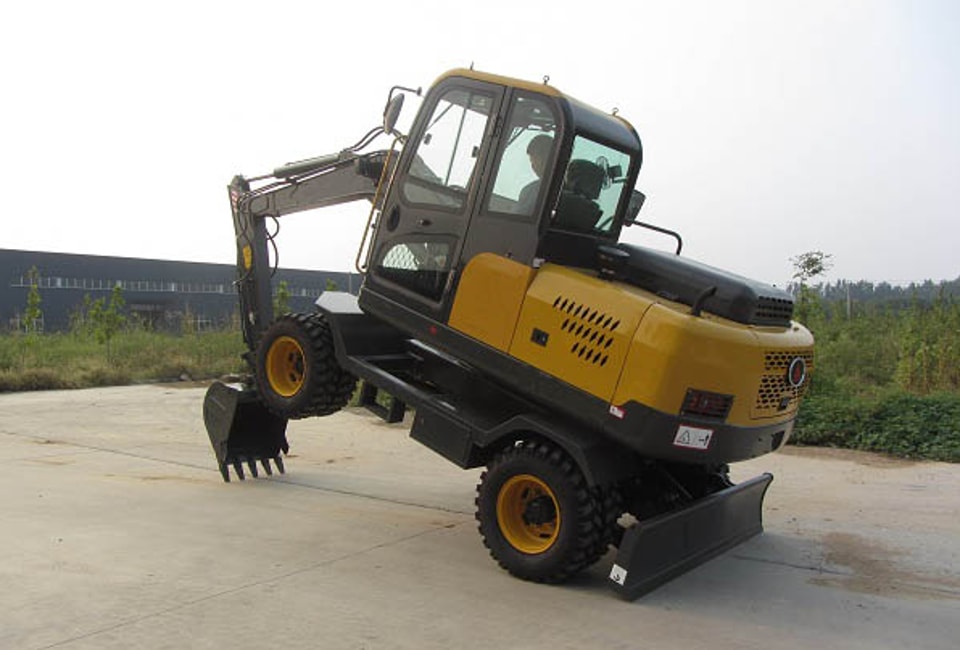
A hydraulic small excavator does four main things: digs, lifts, swings, and moves. Each action puts different demands on the hydraulic system – some need full power, others need speed, and many require both at the same time. Here's what happens inside the machine during each working condition. Four Main Actions – Four Different Hydraulic Demands A hydraulic small excavator performs four primary actions during a typical work cycle: digging, lifting and swinging, dumping, and returning. Each action places a different load on the hydraulic system, and the machine's performance depends on how well the hydraulic components respond to those changing demands. Here's a breakdown of what happens in each working condition – and what it means for the operator. Browse our small excavator lineup to see the models available for your job site. 1. Digging – Bucket and Stick Work Together Digging is where the real work happens. The operator uses the bucket cylinder, the stick cylinder, or both together to break into the ground. This is typically a combined action – the bucket curls while the stick pulls back, and sometimes the boom lowers to help penetration. What the hydraulic system does: During digging, the hydraulic system needs high pressure to generate enough force to break through soil or rock. The pump delivers maximum flow to the cylinders, and the system adjusts pressure based on the resistance encountered. Harder ground means higher pressure. What operators should know: Digging puts the heaviest load on the hydraulic system. If you hear the relief valve opening constantly, you're pushing too hard – back off slightly and let the machine work at its own pace. Overloading the system wastes fuel and wears out components faster. Learn more about digging with small excavators for practical trenching tips. 2. Lifting and Swinging – Boom and Swing Motor in Sync Once the bucket is full, the boom cylinder lifts the boom while the swing motor rotates the upper structure toward the dump truck or stockpile. This is a combined action of the boom and the swing motor – two different hydraulic circuits working at the same time. What the hydraulic system does: Lifting requires high pressure to hold the load. Swinging requires flow to move the turntable at a controlled speed. The hydraulic system must balance pressure and flow between these two functions. If the pump can't supply enough flow to both, the swing slows down or the boom lift stalls. What operators should know: Smooth operation matters here. Jerky movements waste time and put extra stress on the swing motor and boom cylinder. Use gradual joystick inputs – the machine responds better and the hydraulic system stays cooler. 3. Dumping – Stick and Bucket Position the Load At the dumping point, the operator brakes the turntable, adjusts the unloading radius with the stick cylinder, and retracts the bucket cylinder to dump the load. The boom cylinder may also be used to fine-tune the dumping height. What the hydraulic system does: Dumping is less demanding than digging or lifting. The system primarily needs precise control rather than high power. The pump delivers lower flow at moderate pressure, allowing the operator to position the load accurately. What operators should know: This is where precision matters more than power. Rushing the dump cycle often leads to spillage or incomplete unloading – which means extra cycles to clean up. Take the extra second to position the bucket correctly. 4. Returning – Swing and Boom Reposition the Empty Bucket After dumping, the turntable rotates back toward the digging face, and the boom and stick cylinders lower the empty bucket to the new digging position. This is typically a combined action of rotation and boom or stick movement. What the hydraulic system does: Returning is the least demanding part of the cycle. The hydraulic system operates at lower pressure and flow, since there's no load in the bucket and the machine is just repositioning. What operators should know: This is where speed matters. A fast return cycle means more digs per hour. But don't sacrifice control – swinging too fast with the bucket raised is a stability risk, especially on uneven ground. What This Means for Your Daily Operation The hydraulic system is the heart of a small excavator. Understanding how it responds to different working conditions helps you operate more efficiently and avoid unnecessary wear: During heavy digging: Let the machine work – don't force it. Constant relief valve operation wastes fuel and heats up the hydraulic oil. During lifting and swinging: Smooth joystick inputs reduce stress on the swing motor and boom cylinder. During dumping: Precision saves time – accurate positioning means fewer cleanup passes. During returning: Speed helps cycle time, but keep the bucket low to maintain stability. A well-maintained hydraulic system responds smoothly and consistently across all working conditions. If you notice sluggish movements, unusual noises, or inconsistent power, it's time to check the hydraulic fluid level, filters, and pump condition. Frequently Asked Questions What are the main working conditions of a hydraulic small excavator? The four main working conditions are digging, lifting and swinging, dumping, and returning to the digging position. Each condition puts different demands on the hydraulic system – digging needs high pressure, lifting and swinging need balanced pressure and flow, dumping needs precision, and returning needs speed. Why does my excavator feel sluggish during combined actions like lifting and swinging? During combined actions, the hydraulic system must divide flow between multiple circuits. If the pump can't supply enough flow to both functions, one action will slow down. This is normal on smaller machines with limited pump capacity. Smoother joystick inputs help the system balance flow more effectively. What causes the hydraulic system to overheat during continuous digging? Continuous heavy digging keeps the hydraulic system at high pressure for extended periods, which generates heat. If the hydraulic oil temperature exceeds 80°C (176°F), check the oil level, clean the cooler fins, and verify that the relief valve isn't stuck open. How does ground condition affect hydraulic performance? Hard or rocky ground requires higher hydraulic pressure to break through, which puts more strain on the pump and cylinders. Soft or muddy ground reduces traction, which can make the machine feel less responsive even though the hydraulic system is working normally. What's the most common mistake operators make in different working conditions? Pushing too hard during digging – it doesn't speed up the work, it just heats up the oil and wears out the components. Let the machine dig at its own pace and use the hydraulic power efficiently. Not sure which excavator fits your work? Read our buying guide to find the right model for your job site.

Enquiry about